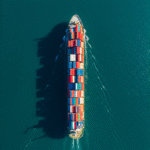


Import Shipping & Logistics: Asia Pacific Guide
Efficient import shipping is vital for businesses in Singapore and across the dynamic Asia Pacific region. Project managers, procurement teams, and logistics professionals must master international import processes. This ensures success whether bringing in heavy machinery for a construction site, sourcing components, or coordinating large-scale movements. This guide explores modern import logistics complexities. It offers insights into effective strategies. Comprehensive import services can streamline your operations, ensuring smooth shipping for import goods.
Understanding the Landscape of International Import Shipping
The Asia Pacific market presents unique opportunities and challenges for import shipping. Factors such as diverse regulatory environments, varied infrastructure, and fluctuating market demands require a robust and adaptable approach. Businesses must navigate customs regulations, freight forwarding, and local distribution networks to ensure goods reach their final destination efficiently and cost-effectively.
Key Considerations for Import Services in Southeast Asia
When engaging in international import across Southeast Asia, several factors demand careful attention to ensure successful execution:
- Regulatory Compliance: Each country, from Singapore to Vietnam, has specific customs duties, taxes, and import restrictions. Understanding these thoroughly prevents delays and unexpected costs.
- Infrastructure Accessibility: Evaluating port capabilities, road networks, and warehousing facilities at the destination is vital, especially for oversized or sensitive cargo.
- Cost Management: Beyond freight charges, consider terminal handling fees, storage costs, insurance, and local transportation expenses as part of your overall import logistics budget.
- Reliable Partners: Engaging experienced local agents or freight forwarders who understand the nuances of regional trade can significantly mitigate risks.
- Sustainability Practices: Increasingly, businesses are looking for partners who can offer environmentally conscious shipping solutions, aligning with corporate responsibility goals.
The Role of Shipping Containers in Efficient Import Logistics
Shipping containers are the unsung heroes of global trade, essential for secure and efficient shipping for import. They provide a standardised method for transporting goods by sea, rail, and road. For businesses in the region, understanding container types and their availability is paramount. Whether you need standard dry containers for general cargo, specialised open-top containers for machinery, or reefer containers for temperature-sensitive imports like pharmaceuticals or fresh produce for Singapore’s F&B sector, the right container solution underpins effective import logistics.
Essential Steps for Streamlined Import Logistics
A well-defined process for international import minimises risks and optimises lead times. From initial planning to final delivery, each step requires meticulous attention to detail.
Documentation and Compliance for Import Shipping
Accurate and complete documentation is critical for smooth import shipping. Missing or incorrect paperwork can lead to significant delays and penalties. Key documents typically include:
- Commercial Invoice
- Packing List
- Bill of Lading (B/L) or Air Waybill (AWB)
- Certificate of Origin
- Import Licences or Permits (if required for specific goods)
- Customs Declaration Forms
Experienced import services providers can greatly simplify this complex supply chain aspect. They are proficient in regional customs requirements.
Customs Clearance and Port Operations in Singapore and Beyond
Upon arrival, imported goods undergo customs clearance. In Singapore, Singapore Customs facilitates this efficiently but stringently. Proper classification of goods, valuation, and duty/tax calculation are crucial. Beyond Singapore, procedures vary significantly across ports like Port Klang in Malaysia or Laem Chabang in Thailand. Understanding port operational hours, potential congestion, and local transport options is vital. This ensures efficient onward delivery and helps avoid demurrage charges, which can quickly inflate import logistics costs.
Optimising Your Import Shipping Strategy with Container Solutions
Beyond simply transporting goods, strategic management of shipping containers can significantly enhance your import logistics capabilities. MyBrand offers comprehensive container solutions tailored for the unique needs of Asia Pacific businesses.
Buying vs. Leasing Shipping Containers for Your Import Needs
Businesses often face the decision of whether to buy or lease shipping containers. This choice impacts capital expenditure, operational flexibility, and long-term costs for shipping for import:
| Feature | Buying Shipping Containers | Leasing Shipping Containers |
|---|---|---|
| Capital Outlay | High initial investment | Lower initial investment, regular payments |
| Flexibility | Suitable for long-term, consistent needs; ownership | Ideal for short-term, project-based, or fluctuating demands |
| Maintenance | Responsibility of owner | Often covered by leasing company (check terms) |
| Depreciation | Asset depreciates over time | No depreciation risk for lessee |
| Storage/Repurposing | Full control for long-term storage or modification (e.g., pop-up retail in Orchard Road, site offices on construction projects) | Return container after use; limited modification options |
| Applicability | Companies needing permanent storage, mobile offices, or repeated transit for their own goods | Companies managing seasonal imports, specific project cargo, or testing new markets |
For operations requiring dedicated storage solutions on a construction site in Jurong, or mobile offices for a multi-year infrastructure project, buying might be more cost-effective in the long run. However, for a one-off event or seasonal storage, leasing offers greater flexibility.
Specialised Containers for Specific Import Services
MyBrand offers various container types to meet diverse import services requirements:
- Reefer Containers: Essential for cold-chain logistics, importing perishable goods like seafood, fruits, and pharmaceuticals across the region.
- Open Top Containers: Ideal for oversized cargo that needs to be loaded from the top, such as heavy machinery or tall components for manufacturing facilities.
- Flat Rack Containers: Used for exceptionally wide or heavy cargo that does not fit into standard containers.
- Tank Containers (ISO Tanks): Designed for the safe transport of liquids, gases, and powders, crucial for the chemical and food processing industries.
Container Modifications and Repurposing for Value-Added Import Logistics
Beyond their primary transport function, shipping containers offer incredible versatility. After their initial use in import shipping, they can be repurposed to add value to your ongoing operations. MyBrand provides services for modifying containers into:
- On-site Storage Units: Secure storage for tools, materials, or excess inventory at construction sites or distribution centres.
- Portable Offices or Canteens: Rapid deployment of functional workspaces or break areas for project teams.
- Event Booths or Pop-Up Retail Spaces: Transforming containers into dynamic retail outlets or exhibition stands for product launches or seasonal promotions, common in Singapore’s vibrant event scene.
These repurposing options extend the lifespan and utility of containers, offering sustainable and practical solutions for your business needs.
Common Challenges and How to Overcome Them
Despite best efforts, challenges can arise in international import. Being prepared helps mitigate their impact.
Navigating Delays and Unexpected Costs in International Import
Common issues include port congestion, customs inspections, adverse weather, or documentation errors. To minimise these:
- Plan Ahead: Allow buffer time in your schedules for potential delays.
- Contingency Budget: Allocate a percentage of your budget for unforeseen costs like demurrage or additional inspections.
- Transparent Communication: Maintain open lines with your import services provider for real-time updates and proactive problem-solving.
Ensuring Container Quality and Compliance for Import Shipping
The condition of containers is paramount for secure import shipping. MyBrand provides container repair and re-inspection services to ensure all units meet international standards (e.g., CSC plate validity). This ensures cargo safety and compliance, preventing issues during transit or at customs checkpoints.
Frequently Asked Questions (FAQs) about Import Logistics
What is the difference between freight forwarding and import services?
Freight forwarding is a broad term encompassing the coordination of transportation for goods from origin to destination, including international and domestic movements. Import services specifically refer to the specialised assistance and expertise required for bringing goods into a country, covering aspects like customs clearance, duty calculation, and compliance with local regulations.
How do I choose the right shipping container for my import goods?
The choice depends on the nature of your goods (size, weight, fragility, temperature sensitivity), their value, and the transport method. Consult with a container specialist who can assess your cargo requirements and recommend the most suitable container type (e.g., standard, reefer, open top) and condition (new or used).
What are the typical lead times for importing goods into Singapore?
Lead times vary significantly based on the origin country, shipping method (sea freight vs. air freight), and customs processes. Sea freight from major Asian ports might take 3-10 days, while from Europe or America it could be 3-6 weeks. Always factor in additional time for port handling, customs clearance, and local delivery.
Can used shipping containers be repurposed for temporary storage after import?
Yes, absolutely. Used shipping containers are an excellent, cost-effective solution for temporary or long-term storage, site offices, or even creative retail spaces. They are durable, secure, and easily transportable. MyBrand offers a range of used containers and modification services to meet these needs.
Conclusion
Mastering import shipping and international import operations is vital for competitive advantage in the Asia Pacific region. By understanding the intricacies of import logistics, leveraging expert import services, and making informed decisions about shipping for import with the right container solutions, businesses can ensure efficiency, compliance, and cost-effectiveness. Whether you are buying, leasing, repairing, or repurposing containers, having a reliable partner makes all the difference.
Planning your next import project or need robust container solutions for your regional operations? Contact MyBrand today for a complimentary consultation. Our specialists can provide a tailored quote, arrange a site visit, or discuss how our comprehensive container sales, leasing, repair, re-inspection, and repurposing services can enhance your import logistics.