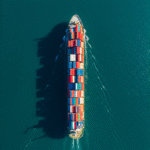


Sea Cargo Rates: International Shipping & Container Logistics
For businesses operating in the dynamic Asia Pacific region, understanding the intricacies of sea cargo rates is paramount. Whether importing raw materials to Singapore, exporting finished goods from Malaysia, or moving equipment across regional borders, ocean freight costs significantly impact your bottom line.
At MyBrand, we understand that deciphering international sea cargo rates can seem complex. However, with the right insights, you can make informed decisions to optimise your logistics and container solutions.
This article will demystify the factors influencing sea freight rates and help you navigate the various costs involved. We also provide practical advice for securing the best value for your shipping container needs, covering sales, leasing, repurposing, and repair services across the APAC region.
What Drives International Sea Cargo Rates? Key Factors to Consider
Ocean cargo rates are rarely static. They are a complex interplay of various global and regional economic forces, operational costs, and market demands. Understanding these elements is crucial for accurate budgeting and strategic planning.
Container Type and Size
The most fundamental factor is the type and size of the shipping container you require. A standard 20-foot (TEU) or 40-foot (FEU) dry container will have a baseline rate. However, specialised containers like refrigerated containers (reefers) for temperature-sensitive goods, open-top containers for oversized cargo, or flat racks for heavy machinery will command higher sea cargo costs. This is due to their specialised equipment and limited availability, essential for cold-chain logistics in Southeast Asia.
Distance and Route
The distance between the port of origin and destination, along with the specific trade lane, significantly influences costs. Shipping from Singapore to Jakarta, for example, will incur different rates compared to a longer route like Singapore to Shanghai or Sydney. Routes with higher demand or limited vessel capacity often see higher rates.
Fuel Surcharges (Bunker Adjustment Factor – BAF)
Fuel is a major operational cost for shipping lines. The Bunker Adjustment Factor (BAF) is a fluctuating surcharge applied to cover the variations in fuel prices. As global oil prices change, so too does the BAF, directly impacting your overall sea freight rates. This is often calculated per TEU.
Currency Exchange Rates and Economic Volatility
International trade involves multiple currencies. Fluctuations in exchange rates, particularly between major currencies like the US Dollar (USD) and local currencies across APAC, can affect the final shipping cost. Economic volatility and inflation in key trading nations can also indirectly influence shipping demand and operational costs.
Seasonal Demand and Global Events
Shipping volumes peak during certain times, such as before major holidays (e.g., Chinese New Year, Christmas) or during harvest seasons for agricultural goods. This increased demand can drive up ocean cargo rates. Unforeseen global events like port congestion, canal blockages (e.g., the Suez Canal incident), or geopolitical tensions can also disrupt supply chains and cause spikes in rates.
Port Charges and Terminal Handling Fees
Beyond the actual ocean transit, various charges are levied at both the origin and destination ports. These include Terminal Handling Charges (THC) for loading and unloading containers, customs clearance fees, and documentation fees. Potential storage fees (demurrage) may also apply if containers are not cleared promptly. These add to the overall international sea cargo rates.
Types of Sea Freight Services and How They Impact Cost
Choosing the right freight service is vital for cost-efficiency, especially for businesses managing diverse cargo needs across Asia Pacific.
Full Container Load (FCL) vs. Less Than Container Load (LCL)
- Full Container Load (FCL): If your cargo is substantial enough to fill an entire 20-foot or 40-foot container, FCL is usually the most cost-effective option. You pay a flat rate for the container, regardless of whether it’s completely full. This offers faster transit times and less handling.
- Less Than Container Load (LCL): For smaller shipments that don’t fill a full container, LCL allows you to share container space with other shippers. While the per-unit cost might seem higher than FCL, it’s often more economical for smaller volumes. This is because you only pay for the space your cargo occupies. However, LCL shipments usually involve more handling and can have longer transit times.
Special Cargo Requirements
Certain types of cargo require specialised handling and equipment, influencing sea cargo costs significantly:
- Reefer Containers: Used for perishable goods like fruits, vegetables, pharmaceuticals, and frozen foods. These are crucial for maintaining the cold chain for food distribution throughout Southeast Asia. Their operational costs (power, monitoring) are higher.
- Hazardous Materials (HAZMAT): Shipping dangerous goods requires special permits, labelling, and handling procedures. These incur additional surcharges to ensure safety and compliance with international regulations.
- Out-of-Gauge (OOG) Cargo: Items exceeding standard container dimensions require specialised equipment like flat racks or open-top containers. They often incur additional charges for lashing and securing.
Beyond Shipping: Optimising Your Container Logistics and Costs in Singapore & APAC
MyBrand’s expertise extends beyond just international shipping. We help businesses in Singapore and across Asia Pacific manage their container assets efficiently. This positively impacts their overall logistics and operational costs.
Buying vs. Leasing Shipping Containers
For businesses with consistent, long-term container needs, buying shipping containers outright can be a strategic investment, particularly for repurposing projects. For project-based needs, seasonal demands, or to avoid large capital expenditure, leasing shipping containers offers flexibility and cost predictability. We offer both new and used containers for sale and lease. These options fit various budgets and operational requirements.
Repurposing Containers for Business Use
Shipping containers offer incredible versatility. Repurposing used containers can provide cost-effective and innovative solutions for various business needs in the region:
- Construction Site Offices & Storage: Many construction projects in Singapore utilise robust, secure containers as temporary offices, meeting rooms, or storage units for tools and materials.
- Pop-Up Retail & Event Kiosks: Entrepreneurs and event organisers leverage containers for trendy pop-up shops, food and beverage stalls, or exhibition booths. These are common at major events in Kuala Lumpur or Bangkok.
- Temporary Warehousing: Businesses facing fluctuating inventory levels can use containers for secure, flexible onsite storage, avoiding expensive long-term warehouse leases.
- Specialised Units: From mobile clinics to data centres, the potential for repurposing is vast, offering customisable solutions for unique business challenges.
The Value of Container Maintenance and Re-inspection
To maximise the lifespan and ensure the safety of your containers, regular maintenance and re-inspection are critical. MyBrand provides comprehensive container repair and re-inspection services in line with international standards. This helps you avoid costly delays and ensures your containers remain suitable for sea transport or their repurposed application.
Getting the Best Value for Your Sea Cargo and Container Needs
Navigating the complex world of sea cargo rates requires a proactive and informed approach. Here are some actionable tips to help you secure optimal value:
- Plan Ahead and Book Early: Especially during peak seasons, booking your freight well in advance can often secure better rates. This also ensures space availability, preventing last-minute surcharges.
- Understand All Surcharges: Always request a detailed breakdown of all surcharges beyond the base sea freight rates (e.g., BAF, CAF, THC, documentation fees). This provides a clear picture of the total cost.
- Compare FCL vs. LCL Carefully: Evaluate your cargo volume and urgency. Sometimes, a slightly less than full FCL might be more cost-effective and faster than a large LCL shipment.
- Consider Repurposing for Local Needs: For onsite storage or temporary facilities, investing in a used container from a local supplier can be more economical. This is often preferable to continuously renting or importing.
- Partner with a Reliable Local Expert: Partner with a company that understands the regional market. They can offer competitive rates for both international shipping and container solutions. They can often provide insights into market trends and help you optimise your logistics strategy.
Frequently Asked Questions About Sea Cargo Costs
How are sea cargo rates calculated?
Sea cargo rates are typically calculated based on several factors. These include container type (20ft, 40ft, reefer), weight or volume (whichever is greater, for LCL), route distance, fuel surcharges, and port charges. Additional services like customs clearance or inland transport also contribute to the final cost.
What is the difference between FCL and LCL rates?
FCL (Full Container Load) rates are charged per container, regardless of whether it’s completely full. This option is generally more economical for larger shipments. LCL (Less Than Container Load) rates are charged based on your cargo’s volume or weight. You share container space with other shippers, making LCL suitable for smaller shipments.
Can I get an instant quote for sea freight?
While some online tools offer indicative quotes, accurate international sea cargo rates require detailed information about your specific shipment. This includes cargo type, dimensions, weight, origin, destination, and preferred service. Reputable providers will offer tailored quotes after assessing your needs.
What impacts international sea cargo rates the most?
Globally, fuel prices (BAF), seasonal demand, and geopolitical events tend to have the most significant impact on fluctuating ocean cargo rates. Locally, port congestion, customs regulations, and inland transport costs also play a crucial role.
Conclusion
Navigating the complexities of sea cargo rates and optimising your logistics can be a significant challenge for businesses in the Asia Pacific. By understanding the core factors that influence these costs and exploring smart container solutions, you can gain a competitive edge. At MyBrand, we are dedicated to providing clear, cost-effective, and reliable shipping container solutions. This includes sales, leasing, custom repurposing, and essential maintenance. Our goal is to simplify your operations and support your growth.
Ready to explore the best container solutions for your business? Contact MyBrand today for a personalised quote, expert consultation, or to discuss your specific requirements. Let us help you streamline your container logistics across Singapore and the wider Asia Pacific region.