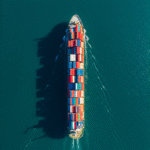


International Freight Shipping Rates: Asia Pacific Guide
For businesses in Singapore and across the dynamic Asia Pacific region, navigating global trade is a daily reality. Understanding and managing international freight shipping rates is a critical component. These fluctuating costs can significantly impact your bottom line, supply chain efficiency, and competitive pricing. Whether importing raw materials, exporting finished goods, or moving equipment, understanding your international shipping cost is paramount.
At MyBrand, we understand these challenges. We specialise in providing high-quality new and used shipping containers for sale and lease. We also recognise our clients need a holistic view of the logistics landscape. This guide demystifies various factors contributing to your overall freight expenses, helping you make informed decisions for your operations.
Key Factors Influencing International Shipping Costs
The total freight shipping cost is not a single, fixed number but rather a mosaic of various charges. Understanding each component is the first step towards better cost management.
Freight Type and Volume: FCL vs. LCL
The volume and nature of your cargo play a significant role.
- Full Container Load (FCL): If your shipment is large enough to fill an entire 20-foot or 40-foot container, you will typically opt for FCL. This usually offers better per-unit pricing and faster transit times compared to LCL.
- Less than Container Load (LCL): For smaller shipments not filling an entire container, LCL allows you to share space with other shippers. While seemingly cost-effective for smaller volumes, LCL often involves more handling and potentially longer transit times. Higher per cubic metre rates can also apply due to consolidation and deconsolidation processes.
MyBrand offers a range of container sizes for sale and lease, directly impacting your FCL options and helping you manage your volume efficiently.
Mode of Transport: Sea, Air, or Land
The chosen mode of transport is a primary determinant of worldwide shipping prices.
- Sea Freight: This is the most common and economical option for shipping containers globally, especially for non-urgent, heavy, or bulky goods. It forms the backbone of international trade in the Asia Pacific.
- Air Freight: Significantly faster but also substantially more expensive, air freight is reserved for time-sensitive, high-value, or perishable goods.
- Land Freight: Used for intra-regional movements, such as trucking containers from Singapore port to a construction site in Jurong, or cross-border transport within Southeast Asia.
Distance and Route Complexity
Longer distances and more complex shipping routes result in higher global shipping rates. Direct routes from major ports like Singapore to Shanghai are typically more streamlined. Routes involving multiple transshipment points or less frequently served ports add complexity. Port congestion and geopolitical factors can also add to the complexity and cost.
Fuel Surcharges (Bunker Adjustment Factor – BAF)
Fuel is a major operational cost for shipping lines. The BAF is a fluctuating surcharge added to the base freight rate. It accounts for changes in fuel prices (bunker fuel). This can significantly impact your overall international freight shipping rates and varies regularly based on global oil markets.
Currency Exchange Rates
As freight costs are often quoted in USD, fluctuations in currency exchange rates can impact your final payment in Singapore Dollars (SGD) or other regional currencies. Businesses dealing with international suppliers and buyers must factor this volatility into their budgeting.
Customs Duties, Taxes, and Documentation
Import and export regulations vary widely across Asia Pacific countries. Customs duties, Value Added Tax (VAT) or Goods and Services Tax (GST), and various permit fees add to your shipment’s cost. Accurate documentation is crucial to avoid delays and additional charges. This includes bills of lading, commercial invoices, packing lists, and certificates of origin.
Container Type and Special Requirements
While standard dry containers (20-foot GP, 40-foot GP, 40-foot HQ) are the most common, specialised containers come with different price tags.
- Reefer Containers: Essential for temperature-sensitive cargo, like frozen seafood from Vietnam or pharmaceuticals. These containers consume power and require specific handling. This increases their cost for leasing or purchase, impacting your international shipping cost.
- Open-Top, Flat Rack, or Tank Containers: Used for oversized or specialised cargo, these often incur higher freight rates due to their specific handling requirements.
MyBrand provides a variety of container types, including reefers, to meet diverse industry needs from cold-chain logistics to construction projects in the region.
Deeper Dive into Global Shipping Rates: Additional Charges to Anticipate
Beyond the base freight and fuel surcharges, several other fees contribute to the final global shipping rates.
Port and Terminal Handling Charges (THC)
These charges cover the costs of moving containers within the port terminal, loading/unloading from vessels, and stacking. THCs are levied at both the origin and destination ports and can be a significant part of the overall cost.
Demurrage and Detention Fees
These are penalties for delaying the use of shipping line equipment.
- Demurrage: This charge applies when a container remains at the port terminal beyond its allowed free time. This free time is typically 3-7 days before pickup by the consignee.
- Detention: This charge applies when the consignee holds a container outside the port terminal beyond its allowed free time. This occurs before returning it empty to the shipping line.
Effective logistics planning and container management can help minimise these avoidable costs. Consider MyBrand’s container leasing options for flexible storage.
Security Surcharges (ISS)
Implemented after security concerns in global trade, these surcharges cover enhanced security measures at ports and on vessels.
Peak Season Surcharges (PSS)
Shipping lines often impose a PSS during periods of high demand. Examples include before major holidays like Chinese New Year or during the year-end shopping season. This can significantly drive up worldwide shipping prices during these times.
Insurance Costs
Marine cargo insurance is a vital component for protecting your goods in transit. It is not always bundled with the freight rate. The cost depends on the value of the cargo, the route, and the type of coverage.
Strategies to Optimise Your International Shipping Costs
- Plan Ahead and Book Early: Book your freight shipment well in advance, especially during peak seasons. This can secure better rates and ensure space availability, much like airfares. Last-minute bookings almost always incur higher surcharges.
- Consolidate Shipments: Evaluate if LCL is truly the most economical option. Consolidating multiple smaller orders into a single FCL shipment can lead to significant savings, even if it means slightly adjusting delivery schedules.
- Optimise Container Loading: Maximise the use of space within a container. Efficient loading reduces the need for multiple containers and thus lowers your freight shipping cost. MyBrand can assist with container specifications to help you plan effectively.
- Understand Incoterms®: Clearly define Incoterms® (International Commercial Terms) with your trading partners. This specifies who is responsible for which costs, risks, and insurance at each stage of the shipping process. This prevents unexpected charges and disputes.
- Partner with Reliable Logistics Providers: Work with freight forwarders who have a strong network and proven track record in the Asia Pacific. They can leverage their volumes to negotiate better rates and offer valuable insights into route optimisation.
- Consider Container Leasing or Purchase for Long-Term Needs: If your business frequently ships or requires temporary on-site storage, buying or leasing containers from MyBrand can be a cost-effective solution. Examples include construction projects in Singapore, event logistics, or pop-up retail spaces. This gives you direct control over your storage and movement, potentially reducing demurrage and detention fees.
Beyond Shipping: MyBrand’s Role in Your Container Needs in Asia Pacific
While understanding international freight shipping rates is crucial, managing the physical container itself is equally important. MyBrand supports businesses in Singapore and across the region with comprehensive container solutions:
- New and Used Container Sales: These are for permanent storage solutions. They can also be converted into site offices on a construction site, or used for export where owning the container is beneficial.
- Container Leasing: We offer flexible short-term and long-term lease options for various applications. These range from temporary storage during warehouse renovations to bespoke containers for events and mobile showrooms.
- Container Modifications and Repurposing: We transform standard containers into functional spaces. These include retail pop-ups, remote offices, portable workshops, or specialised cold-chain storage units for perishable goods in Southeast Asia.
- Container Repairs and Re-inspection: We ensure containers are in optimal condition for safe transportation. This includes compliance with international shipping standards, such as CSC plate re-inspection.
By providing reliable and customised container solutions, MyBrand helps businesses streamline their logistics, enhance operational flexibility, and manage their overall supply chain costs more effectively. This complements their efforts in controlling international shipping costs.
Frequently Asked Questions (FAQs) about Freight Shipping Costs
How often do international freight shipping rates change?
International freight shipping rates are highly dynamic. They can change weekly or even daily, depending on market demand, fuel prices, port congestion, and shipping line capacity. It is advisable to get updated quotes regularly, especially for future shipments.
What is the difference between DDP and EXW Incoterms®?
These are two common Incoterms® that define responsibilities:
- EXW (Ex Works): The seller’s responsibility ends when the goods are made available at their premises. The buyer bears all costs and risks from that point, including loading, transport, insurance, and customs clearance.
- DDP (Delivered Duty Paid): The seller bears almost all responsibility. They deliver the goods to the buyer’s nominated place, cleared for import, and ready for unloading. The seller pays all costs, including duties and taxes.
Understanding these terms is crucial as they dictate who pays the international shipping cost components.
Can I track my international shipping cost in real-time?
You can often track your shipment’s physical movement in real-time through carrier portals. However, the cost itself is generally agreed upon upfront. Unexpected charges like demurrage or detention can accumulate in real-time if delays occur. Proactive communication with your logistics partner is key to monitoring potential additional costs.
Why should I consider leasing a container instead of buying for short-term projects?
Leasing a container from MyBrand offers significant flexibility and cost savings for temporary needs. It eliminates the large upfront capital expenditure of purchasing. You also avoid the hassle and cost of maintenance, storage when not in use, and eventual resale. This is ideal for specific projects, such as a temporary site office on a Singapore construction site or additional storage for a seasonal retail event.
Navigating the world of international freight shipping rates, international shipping cost, and global shipping rates requires diligence and strategic foresight. By understanding the intricate factors that contribute to these costs and implementing smart strategies, businesses in the Asia Pacific can optimise their supply chains and protect their profitability.
At MyBrand, we are committed to being your reliable partner beyond just understanding freight costs. We provide the essential container solutions that underpin efficient logistics, from high-quality new and used containers for sale and lease to expert modifications and maintenance. We equip you with the physical assets you need to manage your goods, whether they are in transit or on your premises.
Ready to discuss your specific container requirements or seeking advice on optimising your logistics setup? Contact MyBrand today for a consultation, a detailed quote, or to arrange a site visit. Our team is here to help you find the most practical and cost-effective solutions for your business.