

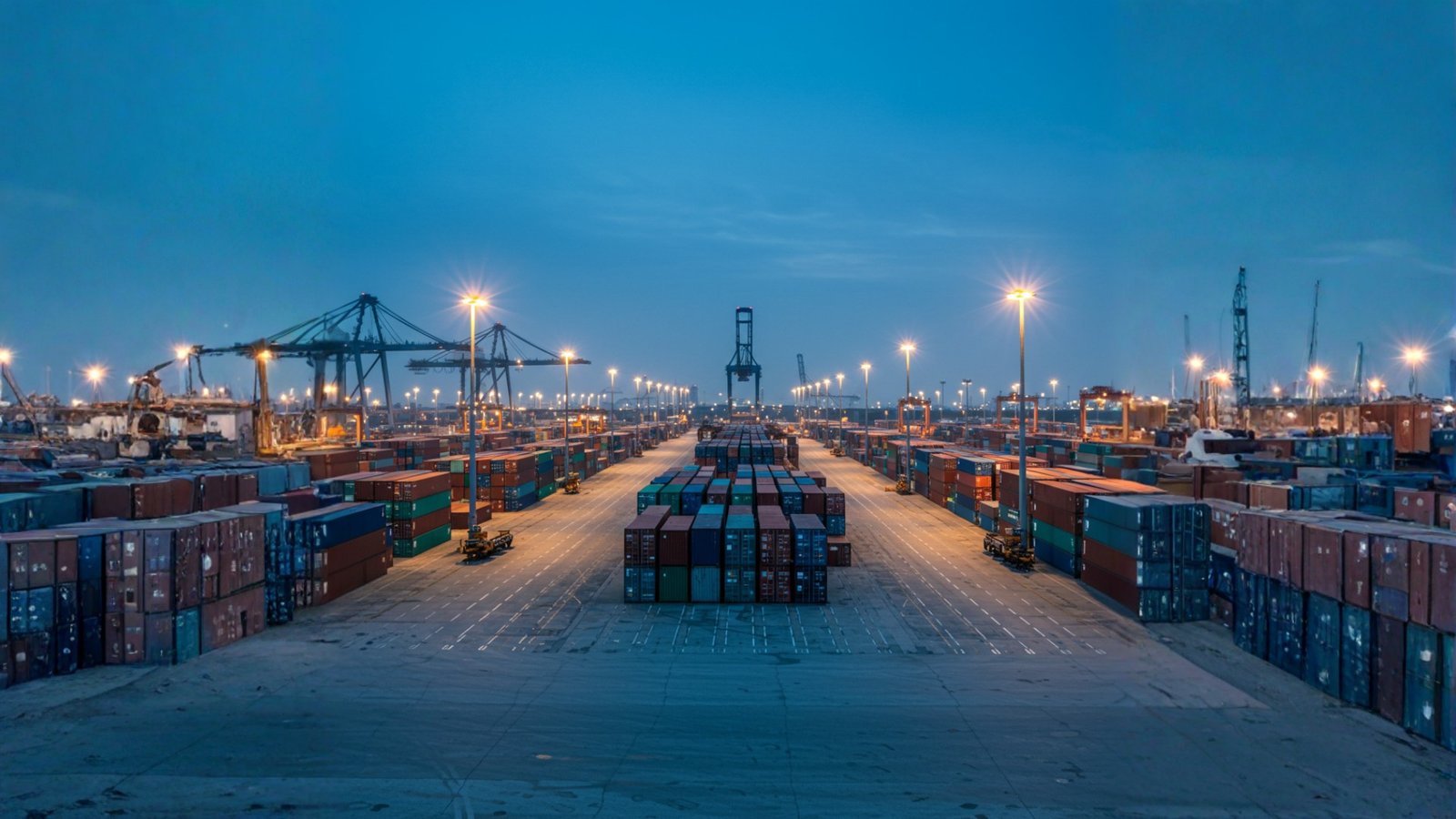
Dry Van Containers: Essential for APAC Logistics & Storage
Understanding shipping container types is crucial for businesses navigating logistics and storage in Singapore and across the Asia Pacific region. Among the most common and versatile options is the dry van container. These containers are far more than just metal boxes; they form the backbone of global trade. They offer robust solutions for various operational needs. Whether you’re involved in project management, procurement, or direct logistics, deciphering the specifics of a dry van can optimise your supply chain and on-site operations.
This guide demystifies dry van containers, exploring their uses and related concepts. We will delve into specialised types like the vented container and intermodal unit. We will also clarify the role of those who operate them, including the familiar dry van truck and the skilled professionals known as dry van drivers.
What is a Dry Van Container?
A dry van container is an enclosed, non-refrigerated shipping container. It protects cargo from weather and theft during transit and storage. These units are predominantly made from robust steel and serve as the workhorses of international shipping. They move a vast array of goods not requiring temperature control, such as electronics, garments, furniture, packaged foods, and industrial materials.
Key Characteristics of Standard Dry Van Containers
- Structure: Fully enclosed, wind- and watertight, typically made from corrugated steel. They feature sturdy double doors at one end for easy loading and unloading.
- Dimensions: The most common sizes are 20-foot (6.1 metres) and 40-foot (12.2 metres) lengths. Standard heights are 8 feet 6 inches (2.59 metres), providing ample internal space.
- Durability: Built to withstand the harsh conditions of sea travel, road transport, and various climates, making them suitable for long-term outdoor use.
- Security: Designed with secure locking mechanisms to protect valuable cargo during transit and while stored on site.
The Versatility of Dry Vans in Singapore and Beyond
Logistics and Storage Applications
For logistics professionals, these containers facilitate seamless intermodal transport. An intermodal unit is essentially a standard container designed for transport across multiple modes like ship, rail, and road. This allows for efficient movement of goods from manufacturing plants to distribution centres and ultimately to end consumers. Such efficiency is critical in Southeast Asia, where intricate supply chains span numerous countries and diverse geographical terrains.
- Shipping Goods: The primary use, transporting general cargo safely across oceans and continents.
- Temporary Storage: On Singaporean construction sites, these units serve as secure storage for tools, equipment, and materials, protecting them from the elements and pilferage.
- Event Management: For large-scale events or concerts, these units provide secure, portable storage for staging equipment, merchandise, and supplies.
- Retail Inventory: Businesses can use them as overflow storage for inventory, particularly during peak seasons, keeping goods accessible yet secure near their main operations.
Repurposing Containers for Innovative Solutions
Beyond traditional logistics, containers are increasingly being repurposed to address various business needs, offering sustainable and cost-effective alternatives to conventional construction.
- Site Offices: Converting a container into a temporary site office is a popular choice for project managers in construction and infrastructure development across APAC. They offer a secure, relocatable workspace.
- Pop-Up Retail Units: Entrepreneurs are transforming these units into trendy pop-up shops, cafes, or exhibition booths, providing flexible and eye-catching commercial spaces.
- Utility Enclosures: They can house generators, pump stations, or other industrial equipment, providing robust, weather-resistant enclosures.
Exploring Specialised Container Types: Vented and High Cube
Vented Containers: Managing Condensation and Airflow
A vented container is similar to a standard container, but it includes small vents. These are usually located along the top rail or side walls. These vents facilitate passive airflow, which is critical for cargo susceptible to condensation. Examples include coffee beans, cocoa, grains, or certain textiles. In humid climates throughout Southeast Asia, managing moisture is paramount to prevent cargo damage like mould or mildew. The vents help regulate temperature fluctuations, minimising the “container rain” phenomenon that occurs when warm, moist air cools and condenses inside the unit.
High Cube Containers: Maximising Volume
High cube containers offer an additional foot (approximately 30 cm) in height compared to standard units. They typically measure 9 feet 6 inches (2.9 metres) tall. This extra vertical space is invaluable for shipping lighter, bulkier cargo. It also allows stacking goods higher to maximise cubic capacity. For businesses dealing with items like furniture, plastics, or packaged consumer goods, these containers can significantly reduce shipping costs by allowing more product per shipment.
Container Transport and the Role of a Dry Van Driver
The Transport Ecosystem: Trucking and Intermodal Operations
An intermodal unit might arrive at a port by ship. It could then transfer to a rail car for a long-distance inland journey, and finally be picked up by a dry van truck for local delivery. The dry van truck typically comprises a powerful tractor unit pulling a chassis designed to secure and transport the container. This seamless transition between modes makes intermodal logistics highly efficient.
The Essential Role of Dry Van Drivers
At the heart of road logistics are the dedicated professionals: the dry van drivers. These skilled individuals are responsible for the safe and timely delivery of containerised goods. Their duties extend beyond just driving; they include:
- Pre-Trip Inspections: Ensuring the truck, chassis, and container are roadworthy and secure.
- Cargo Security: Verifying that the container is properly loaded and sealed.
- Navigation and Timelines: Planning routes and adhering to strict delivery schedules.
- Documentation: Managing shipping manifests and customs paperwork.
- Safety Compliance: Operating heavy vehicles safely and adhering to local traffic regulations.
Their expertise is critical, especially when navigating Singapore’s busy roads or handling challenging terrains in more remote parts of the APAC region.
Choosing the Right Container Solution for Your Business
Selecting the appropriate container for your specific needs – whether for transport, storage, or repurposing – requires careful consideration. Here’s a quick overview to help differentiate:
| Feature | Standard Container | Vented Container | High Cube Container |
|---|---|---|---|
| Height (External) | 2.59 metres (8 ft 6 in) | 2.59 metres (8 ft 6 in) | 2.90 metres (9 ft 6 in) |
| Airflow | None (fully sealed) | Passive ventilation (vents) | None (fully sealed) |
| Typical Cargo | Electronics, textiles, furniture, general merchandise | Coffee beans, cocoa, grains, non-perishables sensitive to condensation | Lighter, bulkier goods, furniture, plastics, retail displays |
| Primary Benefit | General purpose, secure transport/storage | Condensation control, moisture prevention | Maximum cubic capacity for lighter goods |
| Common Use | Intermodal shipping, on-site storage | Agricultural commodities, specific industrial materials | Retail, e-commerce fulfilment, light manufacturing |
When considering container solutions, think about:
- Cargo Type: Does your cargo require airflow or extra height?
- Duration of Need: Are you looking for a short-term lease or a long-term purchase?
- Condition: Do you need a new container, or is a cost-effective used option suitable?
- Modification Needs: Will the container be repurposed (e.g., for an office) and require customisation?
Partner with MyBrand for Your Container Needs
Understanding the nuances of dry van containers is essential for efficient logistics and effective project planning. This includes distinguishing between a vented container and a standard dry van unit. From the crucial role of an intermodal unit in the global supply chain to the hard work of a dry van driver ensuring timely deliveries, these elements collectively contribute to the seamless movement and storage of goods across the Asia Pacific.
MyBrand is here to help, whether you need to buy or lease new or used shipping containers. We also provide professional container repairs, re-inspection, or innovative repurposing options for your business in Singapore or across the region. Our team of experts understands the unique demands of the local and regional market. We offer tailored solutions to meet your specific operational requirements.
Contact MyBrand today for a personalised consultation, a detailed quote, or to arrange a site visit. Let us help you find the perfect dry van container solution to drive your business forward efficiently and securely.