
What is Intermodal Shipping? Optimising Logistics Across Asia Pacific
In the dynamic and often complex landscape of supply chains across Singapore and the broader Asia Pacific region, businesses are constantly seeking smarter, more efficient ways to move goods. One strategy stands out for its ability to combine efficiency, cost-effectiveness, and sustainability: intermodal shipping. If you’re looking to streamline your logistics operations, understanding what is intermodal transport is a crucial first step.
Simply put, intermodal shipping involves moving freight using multiple modes of transport—such as rail, road, or sea—without handling the cargo itself when transferring between modes. The goods remain securely sealed within a single container, moving seamlessly from one vehicle to the next.
This approach has transformed global trade. It is particularly relevant for the diverse geographical and logistical challenges faced by businesses operating in Southeast Asia, Australia, and beyond.
Understanding Intermodal Freight and Its Components
At its core, intermodal freight relies on standardised shipping containers, allowing for smooth transfers between different transportation types. This system leverages the strengths of each mode:
- Sea transport: Cost-effective for long distances and large volumes.
- Rail transport: Efficient for medium to long distances, avoiding road congestion and offering environmental benefits.
- Road transport: Provides flexibility for first-mile and last-mile delivery, reaching specific destinations.
Key Elements of a Shipment
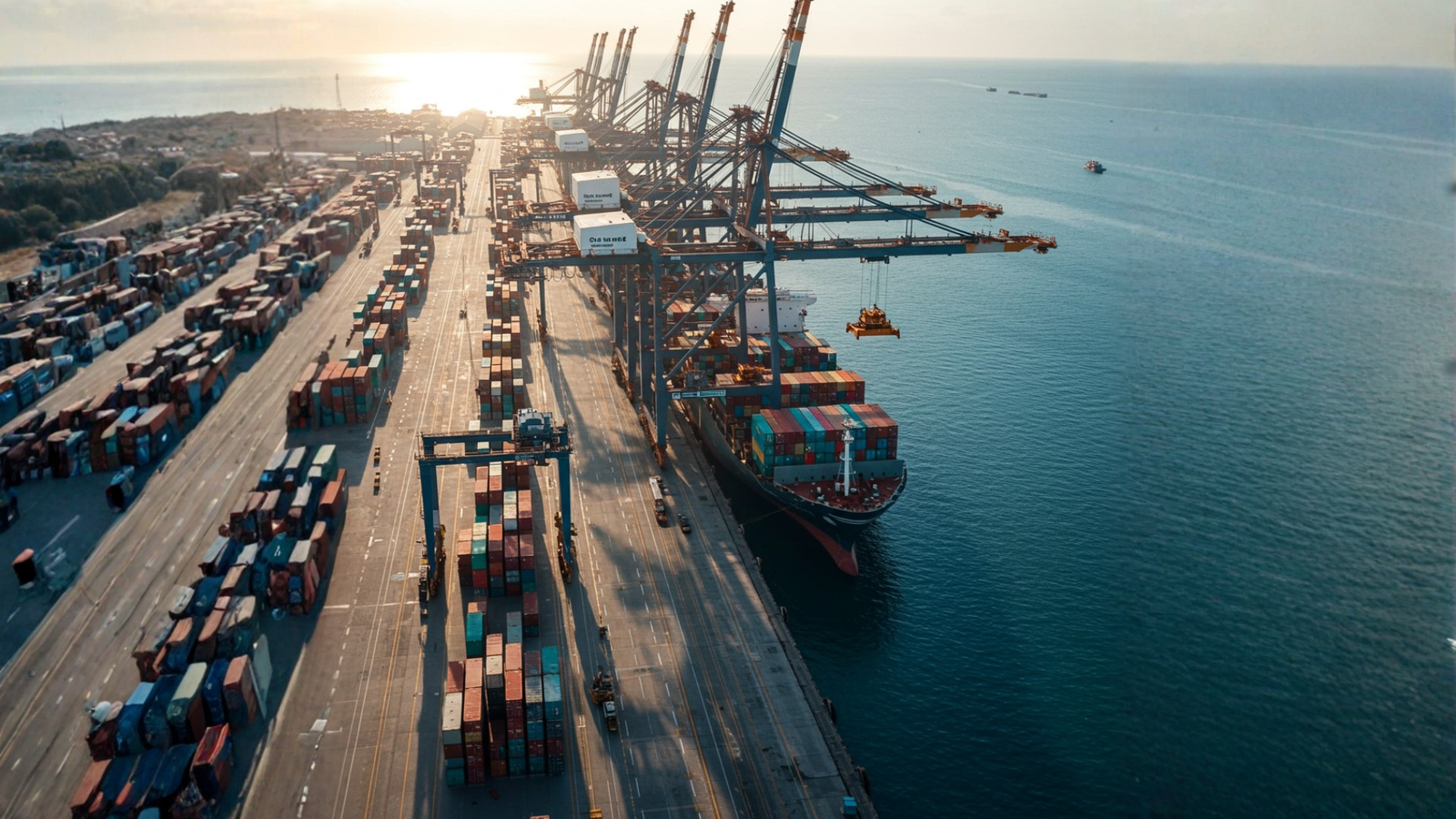
An effective shipment involves careful planning and coordination. It typically begins with cargo being loaded into a container at the origin point. This container is then transported by truck to a rail yard or port.
From there, it might move by train across vast distances or by ship across oceans, eventually reaching another port or rail hub. A final truck journey completes the delivery to the destination.
The beauty of this system lies in the standardisation of the container. Once sealed, the cargo remains undisturbed, significantly reducing the risk of damage, theft, or delays associated with manual reloading at each transfer point.
The Role of Standardised Shipping Containers
The entire concept of this logistics approach hinges on the universal design of shipping containers. These robust, weather-resistant boxes come in standard sizes (e.g., 20-foot and 40-foot equivalent units, or TEUs). They can be easily stacked, lifted, and secured onto container ships, flatbed trains, and truck chassis. This standardisation enables efficient transfers, allowing the seamless flow of goods across vast distances and diverse infrastructures.
The Benefits of Intermodal Logistics for Businesses in Singapore & APAC
For businesses navigating the complex supply chains of the Asia Pacific region, adopting this logistics method offers a multitude of advantages that can significantly impact operational efficiency and profitability.
By combining modes, businesses can often achieve substantial cost savings. For instance, using rail for long-haul routes within countries like Malaysia or Thailand, or between major hubs in Australia, is generally more economical than relying solely on road transport. Ocean freight also remains the most cost-effective option for international movements.
This approach also provides greater cost predictability, as fuel surcharges for rail and sea are typically more stable than for road transport.
Enhanced Security and Reduced Handling
When goods stay sealed within a single container from origin to destination, the risk of damage or theft is greatly reduced. There’s less handling of individual packages, minimising opportunities for cargo to be misplaced or mishandled during transfers. This enhanced security is particularly valuable for high-value goods or sensitive materials.
Environmental Sustainability
In an era where environmental responsibility is paramount, this shipping method presents a greener alternative. Moving freight by rail or sea consumes less fuel and emits fewer greenhouse gases per tonne-kilometre compared to road transport. For companies committed to reducing their carbon footprint, especially in densely populated areas like Singapore, incorporating such solutions helps achieve sustainability goals.
Flexibility and Scalability for Regional Operations
This network offers impressive flexibility. It allows businesses to adapt to varying demands, seasonality, and market fluctuations.
This transport method can be scaled to meet your specific needs. This adaptability is vital for businesses operating across diverse markets within APAC. For instance, it’s effective for moving goods from a factory in Vietnam to a Singapore distribution centre. It also works for bringing construction materials to remote project sites in Indonesia.
Real-World Applications of Intermodal Solutions in Asia Pacific
The versatility of this transport is evident in its wide array of applications across various industries in the Asia Pacific region.
Construction Projects and Remote Sites
For large-scale construction projects in Singapore or infrastructure developments in remote parts of Southeast Asia, this shipping method is invaluable. Materials and equipment can be loaded into containers at a central hub. They are then transported by sea or rail to the nearest accessible point. Finally, they transfer to trucks for delivery to the site. This ensures a steady and cost-effective supply chain, even for challenging locations.
Retail and E-commerce Supply Chains
The booming e-commerce sector in APAC heavily relies on efficient logistics. These solutions enable retailers to move bulk inventory from manufacturing hubs to regional distribution centres, often combining sea freight with rail or road for optimal speed and cost. This supports the rapid replenishment cycles required by online retail.
Cold Chain Logistics for Perishables
Temperature-sensitive goods, such as fresh produce, pharmaceuticals, and seafood, benefit immensely from cold chain logistics. Refrigerated (reefer) containers maintain precise temperatures throughout the entire journey. This applies whether on a ship from Australia to Singapore, or by rail across Malaysia. This ensures product integrity and compliance with stringent food safety standards.
Event Management and Temporary Setups
For major events, concerts, or pop-up retail activations across the region, these containers can transport equipment and merchandise. They can even serve as mobile offices or temporary retail spaces. The ease of transport and quick setup make them ideal for time-sensitive, temporary projects.
Intermodal vs. Multimodal Shipping: What’s the Difference?
While often used interchangeably, there’s a key distinction between intermodal and multimodal shipping.
| Feature | Intermodal Shipping | Multimodal Shipping |
|---|---|---|
| Definition | Uses multiple modes, with each leg of the journey contracted separately. Goods remain in the same container. | Uses multiple modes under a single contract with a single carrier/provider. Goods may or may not remain in the same container. |
| Contracting | Multiple contracts, one for each mode. | One single contract covering the entire journey. |
| Responsibility | Shipper or their agent manages each leg and takes responsibility for transfers. | Single carrier/provider is responsible for the entire journey and all transfers. |
| Flexibility | Higher flexibility in choosing specific carriers for each leg; potentially more complex coordination. | Less flexibility in carrier choice; simpler coordination with one point of contact. |
| Cost Control | Potentially lower costs by optimising each leg, but requires more management. | Often a bundled price, can be higher but offers convenience. |
For many businesses, particularly those with the internal expertise or trusted logistics partners, this method offers greater control and cost optimisation. However, multimodal shipping can simplify operations for those preferring a single point of contact.
Optimising Your Logistics with the Right Containers
A successful logistics strategy heavily relies on access to reliable, high-quality shipping containers. Whether you’re buying, leasing, or repurposing, choosing the right container partner is crucial.
Choosing Between New and Used Containers
Depending on your budget and specific requirements, you can opt for new or used containers. New containers offer pristine condition and longevity, ideal for long-term projects or cargo needing maximum protection. Used containers, often categorised by condition (e.g., Cargo Worthy, Wind & Water Tight), provide a more economical solution for many freight needs.
Considering Container Leasing Options
For short-term projects, seasonal demands, or when capital expenditure needs to be minimised, container leasing is an excellent option. It offers flexibility, allowing businesses to scale their container fleet up or down as required. This is done without the commitment of purchase. This is particularly beneficial for project-based work or fluctuating market demands in the APAC region.
Customisation and Repurposing for Specific Needs
Beyond standard freight, shipping containers can be customised for a myriad of applications. They can be converted into modular offices for construction sites, pop-up retail units for events, or specialised storage solutions. Their robust structure makes them highly adaptable. Our team can assist with container modifications, repairs, and re-inspection services to ensure they meet specific operational or regulatory requirements.
Frequently Asked Questions About Intermodal Logistics
How does intermodal shipping reduce costs?
This method reduces costs primarily by leveraging the most economical mode of transport for each leg of the journey. For example, rail or sea for long hauls over road. It also minimises cargo handling, reducing labour costs and risk of damage. Additionally, it offers more stable pricing than fuel-volatile road transport.
What types of goods are best suited for freight?
A wide range of goods are suitable, especially those that can be efficiently loaded into standard containers. This includes consumer goods, electronics, manufactured products, raw materials, agricultural products, and temperature-sensitive goods requiring reefer containers.
Is this logistics approach suitable for small businesses?
Yes, this logistics approach can be highly beneficial for small businesses. While large volumes might yield greater savings, smaller shipments can also consolidate. They can combine with others in a single container (less-than-container-load or LCL).
This allows small businesses to access the benefits of efficiency and cost reduction. They gain these without owning an entire container’s worth of goods.
Partnering for Seamless Intermodal Solutions
Understanding what is intermodal shipping and its potential benefits is the first step towards optimising your supply chain. For businesses across Singapore and the Asia Pacific region, leveraging intermodal freight can lead to significant cost savings, improved efficiency, and enhanced sustainability.
Our team offers a comprehensive range of solutions. These include new and used container sales, flexible leasing options, container repairs, re-inspection, and bespoke modifications. We can assist you whether you are looking to buy, lease, or repurpose shipping containers for your intermodal logistics needs. We understand the unique demands of the regional market. We are committed to providing reliable, high-quality containers that meet your operational requirements.
To explore how intermodal solutions can benefit your business, contact us for a consultation or detailed quote. You can also discuss your specific container requirements. Our experts are ready to assist you in building a more efficient and resilient supply chain.