

Freight Carrier Explained: Role in Global & APAC Logistics
In the complex world of global trade and supply chains, understanding the fundamental players is crucial for any business involved in moving goods. One term you’ll frequently encounter is “freight carrier.” But what is a freight carrier, precisely? Simply put, this entity is an individual or company responsible for transporting goods from one location to another.
They form the backbone of logistics. They ensure raw materials reach factories and finished products get to market. This applies whether shipments are across Singapore or further afield in the Asia Pacific region. For businesses relying on efficient movement of items – from construction materials on a Singapore worksite to perishable goods destined for Southeast Asian markets – comprehending the freight carrier definition is key to optimising their operations.
This article delves into the meaning of a freight carrier. It explores different types and highlights why their role is indispensable for businesses dealing with shipping container sales, leasing, and repurposing. We will also examine how a clear understanding of freight carrier shipping practices can directly impact your container logistics and project success.
What is a Freight Carrier? The Core Definition and Meaning
At its heart, this term refers to any entity that physically transports cargo or “freight” from its origin point to its destination. They own and operate the vehicles, vessels, or aircraft used for this purpose. Unlike freight forwarders, who act as intermediaries to organise shipments, transport providers are the actual operators of the transport assets.
Freight Carrier Definition: More Than Just Transport
Their responsibilities extend beyond merely moving goods. This often involves adherence to strict schedules and compliance with international and local regulations. Examples include those governing port operations in Singapore or cross-border transport in Malaysia. Maintaining the integrity of goods throughout transit is also crucial.
For businesses utilising shipping containers, the carrier is responsible for handling the container itself. This includes loading onto a vessel, offloading at the destination port, and ensuring it arrives intact.
The Role of Freight Carriers in Supply Chains
These providers are critical nodes in the global supply chain. They enable commerce and facilitate the flow of products. Their operations directly impact inventory levels, delivery times, and ultimately, customer satisfaction.
In regions like Asia Pacific, manufacturing hubs are often geographically diverse from consumer markets. Efficient freight carrier services are therefore paramount. They facilitate everything from moving electronics components from Shenzhen to final assembly plants in Vietnam. They also manage the distribution of consumer goods from port warehouses in Pasir Panjang to retail outlets across Singapore.
Types of Freight Carriers and Their Modes of Transport
Freight carriers specialise in different modes of transport, each suited for various types of cargo, distances, and urgency requirements.
Ocean Freight Carriers (Container Ships)
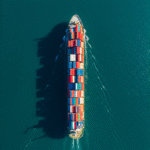
These carriers operate large vessels, primarily container ships, to transport goods across oceans and seas. They are the most common and cost-effective method for international trade, especially for bulk cargo and non-time-sensitive shipments. Singapore, being one of the world’s busiest transshipment hubs, sees a constant flow of container ships.
Ocean freight carriers are intrinsically linked to the shipping container industry. These standardised units are their primary means of cargo storage and transport. Businesses looking to buy or lease 20-foot or 40-foot containers for long-haul shipping depend entirely on the services provided by these carriers.
Air Freight Carriers
Utilising cargo planes, air freight carriers offer the fastest transport option, ideal for high-value, perishable, or urgent shipments. While more expensive, they are crucial for time-sensitive deliveries, such as medical supplies or high-tech components. For example, a pop-up retail event in Kuala Lumpur needing quick inventory replenishment might rely on air freight for specific items.
Land Freight Carriers (Road & Rail)
- Road Freight Carriers: These carriers use trucks and lorries to transport goods over land. They are vital for last-mile delivery, regional distribution, and connecting ports to inland destinations. In Singapore, road freight is essential for moving containers from the port to industrial estates, construction sites, or event venues.
- Rail Freight Carriers: Operating trains, rail carriers are efficient for transporting large volumes of goods over long distances within a continent. While less prevalent in island nations like Singapore, they play a significant role in larger landmasses within the Asia Pacific. They connect major cities and industrial areas.
Multimodal Freight Carriers
Some carriers offer multimodal services. These combine two or more transport modes (e.g., sea, road, rail, air) under a single contract to provide an integrated door-to-door solution. This approach optimises efficiency and cost for complex supply chains, often leveraging the strengths of each mode.
Why Understanding Freight Carrier Shipping Matters for Your Business
A clear grasp of transport provider operations and choices is not just for logistics managers. It impacts strategic business decisions, especially when managing physical assets like shipping containers.
Impact on Shipping Container Sales & Leasing Decisions
Your choice of transport provider and their typical routes and handling procedures directly influence the type and condition of shipping containers you might need.
- New Containers: If you regularly ship high-value goods internationally, investing in new shipping containers might be preferred. This minimises transit risks and helps meet stringent carrier requirements.
- Used Containers: For less sensitive cargo or domestic storage and repurposing projects, used containers offer a cost-effective solution. Examples include converting a used container into a site office or an event booth.
- Specialised Containers: Cold-chain logistics in Southeast Asia, transporting perishables like durians from Malaysia to Singapore, necessitates reefer containers. Understanding which carriers can reliably handle these specialised units is critical.
Moreover, if you are looking to sell or lease containers, understanding carrier demand for specific types and sizes is helpful. This knowledge can help you make informed decisions about your inventory.
Ensuring Efficient Project Logistics in Singapore & APAC
For construction project managers in Singapore, coordinating container delivery to a busy construction site requires impeccable timing from land freight carriers. Similarly, event organisers setting up a pop-up kitchen or an exhibition booth using repurposed containers need reliable transport. This ensures assets arrive on schedule, avoiding costly delays and logistical nightmares.
Considerations for Specialised Cargo
When dealing with oversized cargo, hazardous materials, or temperature-sensitive goods, selecting a logistics partner with specific expertise and equipment is non-negotiable. This often means ensuring the container itself meets both your cargo’s needs and the carrier’s specifications for safe transport. Examples include an open-top container or a flat rack.
Key Factors When Engaging a Freight Carrier
Choosing the right transport provider is a strategic decision that can significantly impact your operational efficiency and bottom line. Here are key factors to consider:
- Reliability and Timeliness: Assess their track record for on-time deliveries. Delays can be costly, especially for time-sensitive projects or just-in-time inventory systems.
- Route Coverage: Ensure the carrier serves your required routes, whether it’s within Singapore, across Malaysia, or to broader Asia Pacific destinations.
- Cost-Effectiveness: While price is important, balance it with reliability and service quality. The cheapest option isn’t always the best when considering potential delays or damage.
- Cargo Type and Handling Capabilities: Verify if the carrier has the expertise and equipment to handle your specific type of cargo. This is especially important if it is oversized, hazardous, or requires temperature control. An example is reefer container transport.
- Insurance and Liability: Understand their insurance coverage and liability limits for potential loss or damage to your goods or containers during transit.
- Regulatory Compliance: Ensure the carrier adheres to all relevant local and international shipping regulations. This includes customs procedures, especially crucial for cross-border movements.
- Technology and Tracking: Modern carriers offer advanced tracking systems. These provide real-time visibility of your shipment’s progress. This is invaluable for planning and managing expectations.
Frequently Asked Questions (FAQs) about Freight Carriers
What is the difference between a freight carrier and a freight forwarder?
A freight carrier owns and operates the vehicles (ships, planes, trucks, trains) that physically transport the goods. A freight forwarder, on the other hand, acts as an intermediary or agent.
They organise and coordinate shipments on behalf of a shipper. This often involves booking space with various freight carriers, handling documentation, and managing customs procedures. They do not own the transport assets themselves.
How do freight carriers handle different types of goods?
These providers use specialised equipment and containers depending on the nature of the goods. For example, general cargo typically goes into standard dry containers. Perishable goods require reefer containers maintained at specific temperatures.
Oversized items may use flat rack or open-top containers, while liquids might require tank containers. Carriers are equipped to handle these variations, ensuring appropriate storage and transport conditions.
Why are shipping containers essential for freight carriers?
Shipping containers are the backbone of modern transport operations, particularly for ocean and increasingly for land freight. They provide standardised units for cargo, enabling efficient stacking and intermodal transfer (from ship to truck to train). They also protect goods from damage and theft. This standardisation drastically simplifies logistics, speeds up handling at ports, and reduces overall shipping costs for carriers and their clients.
Conclusion
Understanding what is a freight carrier and this vital role in global and regional logistics is indispensable for any business involved in trade. Their operations touch every aspect of physical goods movement, from optimising supply chains to making informed decisions about container acquisition. For businesses in Singapore and across Asia Pacific, recognising the nuances of freight carrier shipping is key. This ensures your goods – and your valuable shipping containers – arrive safely, efficiently, and on schedule.
Whether you are looking to purchase new or used shipping containers for international transport, lease containers for a temporary project, or repurpose them for innovative uses, choosing the right container is the first step. For expert advice on selecting the perfect shipping container solution to meet your specific needs, or to learn more about how our products support various logistics needs, we invite you to connect with MyBrand.
Contact us today for a consultation, a site visit, or to request a quote for our range of shipping container sales, leasing, and customisation services. Let us help you streamline your logistics and empower your projects across the Asia Pacific region.