
So, you’re trying to figure out how long it’ll take for your stuff to get from China to Australia? It’s not always a simple answer, you know? Lots of things can mess with the timeline, from how you ship it to when you ship it, and even what the weather’s doing. We’ll break down what makes the container shipping time from China to Australia change, so you can get a better idea of when to expect your goods.
Key Takeaways
- Choosing between sea freight (FCL/LCL) and air freight significantly impacts delivery speed, with air being much faster but pricier.
- Major ports in China and Australia have different capacities and can influence how long your shipment sits before moving.
- Customs procedures, including accurate paperwork and inspections, are a common point of delay for shipments.
- Peak seasons like Chinese New Year and major shopping holidays can cause big backlogs and longer transit times.
- Unexpected events like bad weather, port congestion, or even global disruptions can add unexpected delays to your container shipping time from China to Australia.
Impact of Shipping Modes on Container Shipping Time from China to Australia
When you’re looking to ship items from China to Australia, the way you choose to send them makes a big difference in how long it takes. It’s not just about picking the cheapest option; speed is often a major factor, and different methods have very different timelines.
Sea Freight: Full Container Load (FCL) vs. Less than Container Load (LCL)
Sea freight is the workhorse for moving large volumes of goods. If you’re shipping a lot, you’ll likely be looking at either Full Container Load (FCL) or Less than Container Load (LCL). FCL means you book an entire container, usually a 20-foot or 40-foot one. This is generally faster for the actual transit because your goods don’t need to be consolidated with others. The average transit time for FCL is around 16-18 days, though this can vary based on the specific ports used. Buying a shipping container from China for FCL is a common practice for businesses that ship regularly.
LCL, on the other hand, is when your shipment doesn’t fill a whole container. Your items are grouped with other people’s shipments. This process of consolidating and deconsolidating cargo at both ends adds extra time. So, while LCL might seem cost-effective if you don’t have enough to fill a container, it typically takes a few days longer than FCL. Expect LCL shipments to take anywhere from 18 to 25 days, sometimes more, due to the extra handling involved.
Air Freight vs. Express Shipping Options
For those times when speed is the absolute priority, air freight and express shipping are your go-to options. Air freight is significantly faster than sea freight, usually taking about 4-5 days from China to Australia. It’s a good middle ground if you need your goods quickly but can’t justify the extreme cost of express services. However, air freight involves more complex processes, including consolidation at the origin and deconsolidation at the destination, which can add to the overall time.
Express shipping, often handled by international couriers, is the fastest method available. This can get your goods to Australia in as little as 1-3 days. It’s ideal for urgent documents, samples, or high-value, time-sensitive items. The cost of shipping containers from China via express is considerably higher, but for critical deliveries, the speed is often worth the price. Remember that the cost of shipping a container from China can be quite variable, and express options are at the top end of that spectrum.
Post and Courier Services
Beyond the major freight options, standard postal services and smaller courier companies also play a role, especially for smaller parcels or less urgent items. China Post, for instance, offers various services, including airmail and express mail service (EMS), which typically take between one to two weeks. While slower than dedicated air freight, these services can be more economical for smaller businesses or individuals. It’s important to ensure all documentation is correct, as customs agencies can hold up parcels if paperwork isn’t in order, potentially adding days to the delivery time. For businesses looking to buy shipping container from China, these smaller parcel services aren’t the relevant option, but they are part of the overall shipping landscape.
The choice between sea freight, air freight, and express services isn’t just about the price; it’s a direct trade-off with transit time. Understanding the typical timelines for each, like the 16-18 days for FCL sea freight versus the 4-5 days for air freight, is key to managing expectations and planning your supply chain effectively. Delays can occur at any stage, but choosing the right mode upfront sets the foundation for a predictable delivery schedule.
When comparing the 20-foot container shipping cost from China to Australia versus the 40 foot container shipping cost from China to Australia, remember that the mode of transport is a primary driver of the total cost and delivery speed. Sea freight, while cheaper per unit for large volumes, will always take longer than air freight. Always check with your logistics provider for the most current transit time estimates, as market conditions can cause fluctuations.
Role of Major Ports in Transit Times
When you’re shipping containers from China to Australia, the ports involved really matter. Think of them as the main hubs where your goods switch gears, from being on a truck to being on a massive ship, and then back again on the other side. The specific ports your cargo uses, both in China and Australia, can add or subtract days from your total shipping time. It’s not just about the distance; it’s about how busy these ports are, how efficiently they operate, and their connection to the main shipping routes.
Key Chinese Ports for Exports to Australia
China has some of the busiest ports in the world, and a few stand out for their role in shipping to Australia. The Port of Shanghai, for instance, is a giant, handling millions of containers every year. It’s a major gateway for goods coming from inland China and connects to pretty much everywhere. Then there’s the Port of Ningbo-Zhoushan, another massive operation that’s really important for bulk cargo and containers. Down south, the Port of Shenzhen is super important, especially for electronics and manufactured goods, and it’s known for its fast growth. These ports are strategically located and have the infrastructure to handle huge volumes, making them common starting points for shipments heading Down Under.
Primary Australian Ports for Imports
On the Australian side, a few key ports handle the bulk of incoming container traffic from China. The Port of Sydney, while busy, often deals with congestion. Melbourne is usually the busiest port in Australia, processing a huge amount of cargo and acting as a central hub for distribution across the country. Brisbane is another significant port, especially for goods destined for Queensland. Fremantle, near Perth, is the main gateway for Western Australia, and while it’s geographically closer to Asia, its capacity and connection to the rest of the country can influence transit times. The choice of Australian port can significantly impact the final leg of your journey.
How Port Pairings Influence Transit Duration
The combination of a specific Chinese port and an Australian port creates a unique shipping lane. For example, a direct service from Shanghai to Melbourne might be quicker than a route that involves transshipment (where cargo is moved from one ship to another) at a third port, like Singapore or Hong Kong. Transshipment adds extra handling and potential delays. Shipping lines often have preferred routes and schedules that connect certain Chinese ports with specific Australian ones. Understanding these pairings can help you choose the most efficient path for your goods. Sometimes, a slightly longer route might actually be faster if it avoids major congestion points or uses a carrier with a more direct service. It’s all about finding that sweet spot between cost and speed, and the ports are a big part of that equation. For more on how shipping rates can change, you might want to look into shipping rates from China.
The efficiency of port operations, including how quickly ships can load and unload, and how smoothly cargo moves through the terminals, directly affects how long your container sits at the port. Busy ports can mean longer waits for berths and for your cargo to be processed.
Customs Clearance and Regulatory Procedures
Getting your goods from China to Australia cleared by customs can feel like a puzzle with a lot of pieces. It’s not just about putting stuff on a boat and hoping for the best. There are rules, paperwork, and checks that need to happen. Getting this part right is super important if you don’t want your shipment stuck in limbo.
Document Accuracy and Digital Submissions
Think of your shipping documents as your shipment’s ID card. If they’re not right, customs won’t let it pass. You’ll need things like a Bill of Lading (which is basically the receipt and title for your goods), a Packing List (detailing exactly what’s in each box), and maybe a Certificate of Origin (proving where your goods were made). Nowadays, a lot of this can be done digitally, which can speed things up, but it means you have to be extra careful with the details. One small typo or missing piece of info can cause a big headache.
Here are some key documents you’ll likely need:
- Bill of Lading (B/L): This is the contract between you and the carrier, and it also acts as a receipt for your cargo. For sea freight, it’s essential. An electronic version, sometimes called a ‘telex release’, can speed things up.
- Packing List: This lists the contents of each package, including weight, dimensions, and quantity. It helps customs officers know what they’re dealing with.
- Commercial Invoice: This details the transaction between the buyer and seller, including the value of the goods.
- Certificate of Origin (COO): This document certifies the country where the goods were manufactured. It’s important for trade agreements and duties.
Biosecurity Checks and Inspections
Australia has pretty strict rules about what can come into the country, especially when it comes to plants, animals, and food. This is to protect their environment and health. So, your shipment might get inspected to make sure it doesn’t contain any pests or diseases. If you’re shipping anything like wooden furniture, agricultural products, or even certain types of packaging, be prepared for extra scrutiny. It’s always a good idea to check the Australian Department of Agriculture, Fisheries and Forestry website before you ship to see if your goods are on any restricted lists.
Valuation Audits and Declarations
Customs authorities need to know the value of the goods you’re importing. This is how they figure out how much duty and tax to charge. You’ll need to declare the value accurately on your customs forms. If they suspect you’ve undervalued your goods to avoid paying the correct amount, they can investigate. This could lead to penalties, delays, and extra costs. It’s best to be upfront and honest with your declarations. Sometimes, they might ask for proof of the value, like bank statements or purchase orders.
The total cost of importing goods isn’t just the price you paid for them. You also have to factor in customs duties, taxes like GST (Goods and Services Tax), and potentially other fees. These charges are calculated based on the value of the goods, their type, and the Harmonized System (HS) code they fall under. It’s a bit like a math problem, and getting it wrong can be costly.
Here’s a simplified look at how duties and taxes might be calculated (these are just examples):
- Scenario 1: Goods valued at $15,000 with no VAT. A 5% customs duty could mean paying $750.
- Scenario 2: Goods valued at $10,000 plus 10% VAT. You might pay $500 in duty plus $1,050 in VAT.
- Scenario 3: Goods valued at $20,000 with 10% VAT, 3% anti-dumping tax, and 5% Excise Duty. The customs duty could be $1,000, but with all the other charges added, the total payable might jump to $2,300.
Remember, these are just rough ideas, and the actual amounts can change. It’s why having a good customs broker or freight forwarder who knows these calculations can save you a lot of trouble and money.
Effects of Peak Shipping Seasons and Holidays
Shipping goods from China to Australia isn’t always a smooth, predictable process. One of the biggest curveballs? The timing of holidays and peak seasons. These periods can really mess with your delivery schedule, sometimes adding weeks to your transit time. It’s not just about the holidays themselves, but the ripple effect they have on production, port operations, and carrier capacity.
Chinese New Year and Other Festive Closures
Chinese New Year, also known as the Spring Festival, is a massive deal. For about two weeks, many factories shut down completely, and ports operate with reduced staff. This means production halts, and shipments get backed up. Other holidays like Golden Week in October and the Dragon Boat Festival can also cause similar, though usually shorter, disruptions. Planning your shipments to avoid these periods is key to minimizing delays. It’s wise to book your cargo at least two to three months in advance if you know your shipment will fall near these dates.
Australia’s Holiday Shopping Demand
On the flip side, Australia has its own busy periods. Think about the lead-up to Christmas and other major shopping events. Demand for goods surges, and shipping lines often increase their rates to match. This increased demand can also strain port capacity in Australia, leading to longer unloading times. It’s a double whammy: higher costs and potentially longer waits once your container finally arrives Down Under.
Shipping Delays During National Holidays
Beyond the big ones, even smaller national holidays in either country can cause minor hiccups. While a single day off might not seem like much, it can contribute to a domino effect, especially when combined with other factors like port congestion or bad weather. It’s important to be aware of these dates when mapping out your shipping timeline. For example, if you’re shipping electronics, you might want to check out affordable shipping containers for sale in Melbourne to store them if there are unexpected delays.
The cumulative effect of multiple holidays and peak seasons, both in China and Australia, can significantly extend the overall transit time for your container. It’s not just about the travel time on the water; it’s about the waiting periods before and after the actual voyage.
Here’s a quick look at how some major holidays can impact your schedule:
- Chinese New Year: Typically late January or early February. Expect production halts and significant delays for 1-3 weeks.
- Golden Week: Early October. A week-long national holiday in China that can cause congestion and price hikes.
- Australian Summer Holidays: December-January. High demand in Australia can lead to port delays and increased shipping costs.
- Black Friday/Cyber Monday: Late November. A surge in demand for goods, especially electronics and apparel, can impact shipping capacity and timing.
Weather, Natural Events, and Port Congestion
Impacts of Severe Weather on Transit
Bad weather can really throw a wrench into shipping schedules, no matter if you’re using sea or air freight. Think about typhoons brewing in the South China Sea or heavy fog rolling in along the coast. These aren’t just minor inconveniences; they can force ships to slow down, reroute, or even anchor offshore, waiting for conditions to improve. For air cargo, severe storms can lead to flight cancellations or significant delays. This unpredictability means that even with the best planning, transit times can stretch out unexpectedly. It’s a good idea to keep an eye on weather forecasts, especially during storm seasons, and build some buffer time into your delivery estimates.
Managing Port Congestion Delays
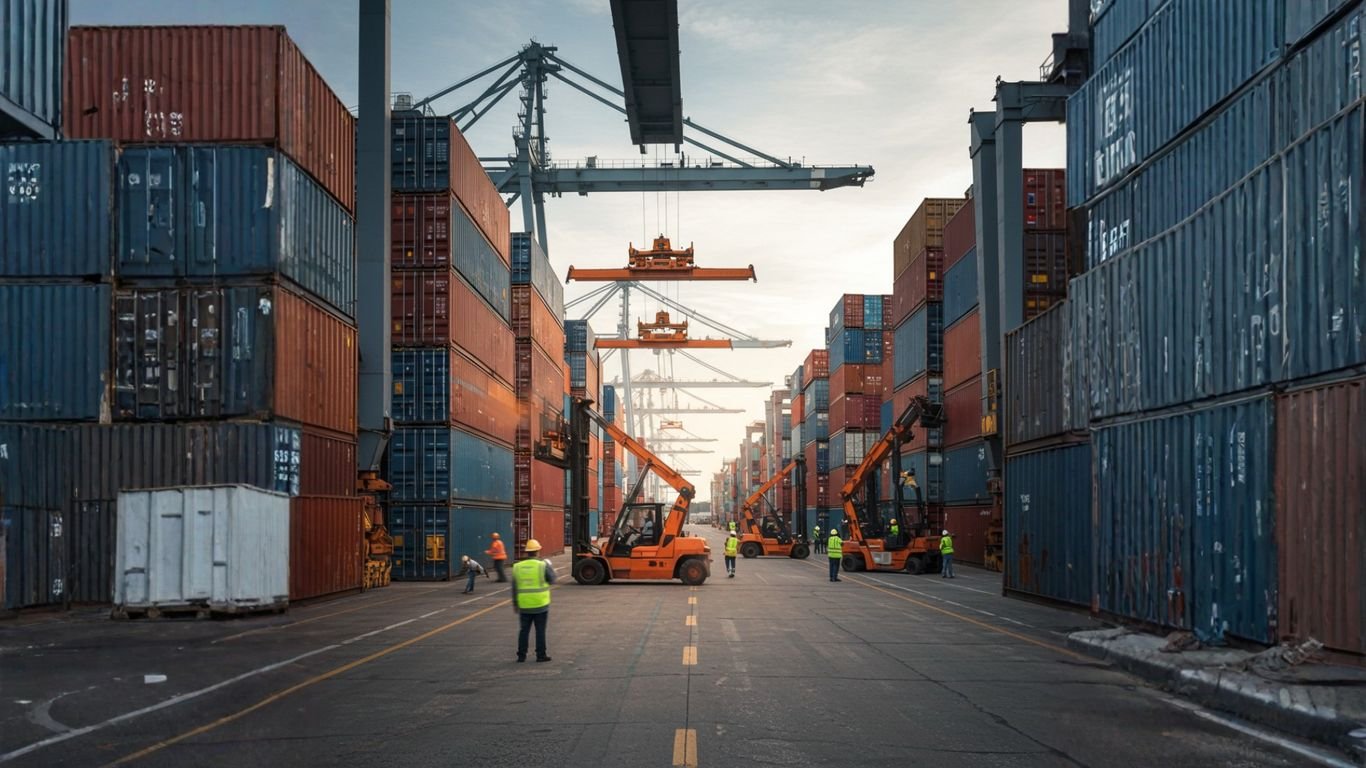
Port congestion is a pretty common headache in international shipping. It happens when too many ships are trying to dock and unload at the same time, leading to long queues. This can be caused by a surge in cargo volume, labor shortages at the port, or even infrastructure limitations. When a port gets backed up, containers can sit on the docks for days, or even weeks, before they can be loaded onto outbound vessels or moved inland. This adds significant time to the overall journey. Some ports, like the Port of Melbourne, handle a huge volume of trade, making them more susceptible to congestion during peak periods. Choosing less busy ports or scheduling shipments during off-peak times can sometimes help, but it’s not always an option.
Here are a few ways to try and get around port congestion:
- Monitor Port Status: Keep tabs on news and advisories related to your origin and destination ports.
- Consider Alternative Ports: If feasible, explore shipping to or from nearby, less congested ports.
- Work with Experienced Forwarders: Good freight forwarders often have insights into port conditions and can suggest workarounds.
- Factor in Extra Time: Always build some contingency time into your shipping plan for potential port delays.
Mitigating Risks from Unplanned Disruptions
Beyond just weather and typical congestion, other unplanned events can disrupt shipping. Think about unexpected labor strikes, equipment failures at a port, or even geopolitical events that might affect shipping lanes. These kinds of disruptions are tough to predict, but having a solid contingency plan can make a big difference. This might involve having backup shipping routes or alternative carriers in mind. For instance, if a major port is suddenly inaccessible, knowing you can reroute through another facility can save a lot of time and hassle. It’s all about building resilience into your supply chain. Being prepared for the unexpected is key to keeping your goods moving, even when things go sideways. Understanding the complexities of shipping from China to Australia is vital for businesses relying on timely deliveries. Shipping from China to the UK also faces similar challenges.
Unforeseen events like severe weather or unexpected port closures can significantly extend shipping timelines. While some disruptions are unavoidable, proactive planning and flexible logistics strategies are your best defense against these delays. Building buffer time into your schedule and having alternative plans ready can help minimize the impact on your delivery commitments.
Shipment Characteristics and Special Handling Requirements
The kind of stuff you’re shipping and how it needs to be handled can really mess with how long it takes to get from China to Australia. It’s not just about putting boxes on a boat, you know?
Nature and Volume of Goods
Think about it: shipping a bunch of t-shirts is way different from sending delicate electronics or heavy machinery. The sheer amount of stuff matters too. A small parcel might zip through, but a massive shipment takes more planning and space. Sometimes, cargo is just too big or heavy for standard containers. This is where specialized options like Out of Gauge (OOG) containers come in, designed for items that stick out. For really massive things, like industrial equipment or even boats, you might look at break bulk shipping, where items are loaded individually onto the ship. It’s a whole different ballgame than stuffing things into a container. If you’re moving loose materials like coal or grain, that’s dry bulk shipping, loaded straight into the ship’s hold. Each of these methods has its own timeline and complexities.
Handling of Restricted and Hazardous Items
This is where things get serious and can definitely add time. Shipping anything that’s restricted or considered hazardous – think chemicals, certain batteries, or even some liquids – requires a lot of paperwork and special procedures. You can’t just toss these items in with your regular cargo. They need specific packaging, labeling, and documentation to comply with international shipping laws. Plus, not all carriers will even take them. Finding a company that can handle these types of goods safely and legally is key, and it often means a longer transit time because of the extra checks and precautions involved. It’s all about safety and following the rules, which, understandably, takes time.
Special Needs for Perishable or Time-Sensitive Shipments
If you’re shipping things that go bad quickly, like fresh produce or certain pharmaceuticals, speed is everything. These shipments often need refrigerated containers (reefers) to maintain a specific temperature. This adds another layer of complexity and cost. You also need to make sure the entire journey, from the moment it leaves the factory to when it arrives at its final destination, is carefully managed to avoid any temperature fluctuations. For items that aren’t perishable but are still time-sensitive, like promotional goods needed for an event, you might opt for faster shipping methods, even if they cost more. The goal is to get it there before it’s too late, and that often means choosing a more direct or expedited route, which can still be impacted by port congestion or customs.
When planning your shipment, be realistic about the nature of your goods. Oversized items, hazardous materials, or anything requiring temperature control will almost always take longer than standard cargo. It’s better to build in extra time than to be caught off guard by unexpected delays related to special handling needs. This is where understanding shipping from China to Canada can offer insights into managing different cargo types.
Here’s a quick look at how different cargo types might affect transit:
| Cargo Type | Typical Handling | Potential Time Impact |
|---|---|---|
| Standard Goods | Standard container, FCL or LCL | Baseline transit time |
| Oversized/Heavy | OOG container, Break Bulk | Increased handling time, specialized vessel scheduling |
| Perishable/Temperature-Controlled | Refrigerated container (Reefer) | Requires constant monitoring, potential for delays |
| Hazardous/Restricted | Specialized packaging, strict regulations | Extended documentation, carrier selection challenges |
Choosing the Right Freight Forwarder to Reduce Delays
So, you’ve got your goods ready to go from China to Australia, but how do you make sure they get there without a hitch and, more importantly, on time? This is where a good freight forwarder really shines. Think of them as your logistics partner, the ones who know all the ins and outs of international shipping.
Efficiency in Logistics Chains
A solid freight forwarder acts as the central hub for your shipment. They coordinate everything, from picking up your goods at the factory to getting them onto the right ship and then through customs at the Australian end. They have established relationships with carriers, ports, and customs brokers, which means they can often smooth out the bumps that might otherwise cause delays. They essentially take the chaos of international shipping and turn it into a manageable process.
- Route Optimization: They know the fastest and most reliable routes, considering current port congestion and carrier schedules.
- Carrier Negotiation: They can often secure better rates and space on vessels due to their volume and relationships.
- Documentation Management: They handle the mountain of paperwork, making sure everything is accurate and submitted on time to avoid customs hold-ups.
Tracking and Communication Capabilities
When your cargo is out on the ocean, you want to know where it is, right? A good forwarder provides clear and consistent communication. They’ll have systems in place to track your shipment in real-time, and they’ll let you know if anything unexpected pops up. This proactive approach means you’re not left guessing.
Being kept in the loop is half the battle when it comes to managing expectations. Knowing a delay is coming, and why, is far better than being surprised by it.
Experience with China–Australia Routes
Shipping between China and Australia isn’t just like any other route. There are specific regulations, common port pairings, and seasonal patterns that a seasoned forwarder understands. They’ll know which Chinese ports are best for your specific goods and which Australian ports will offer the quickest clearance. This specialized knowledge is invaluable for cutting down transit times and avoiding costly mistakes.
- Understanding Customs Nuances: They are familiar with the specific documentation and inspection requirements for goods moving between these two countries.
- Predicting Seasonal Impacts: They can advise you on avoiding major holidays or peak seasons that could slow things down.
- Problem-Solving: If an issue arises, their experience means they’ve likely dealt with something similar before and know how to fix it quickly.
Wrapping It Up
So, getting your stuff from China to Australia isn’t always a straight shot. We’ve seen how different shipping methods, like sea versus air, have their own timelines. Plus, things like the weather, how busy the ports are, and even the paperwork you file can throw a wrench in things. It really pays to know what you’re getting into. Thinking ahead, checking with your shipping company, and making sure all your documents are spot on can save you a lot of headaches and keep your delivery on track. It’s all about being prepared for the journey.
Frequently Asked Questions
What’s the quickest way to ship from China to Australia?
For super speedy deliveries, express shipping is your best bet. It usually takes just 1 to 3 days. Air freight is the next fastest, often arriving in about 4 to 5 days. These options cost more, but they’re great when you need something in a hurry.
How long does regular sea shipping take from China to Australia?
Shipping by sea is the most budget-friendly for big orders, but it takes the longest. Expect your shipment to take about 16 to 18 days if you’re sending a full container (FCL). If you’re sharing a container (LCL), it might take a few extra days because your items need to be sorted and combined with others.
What can cause shipping delays?
Lots of things can slow down your shipment! Bad weather, busy ports where ships have to wait, and customs checks can all cause delays. Also, holidays in China, like Chinese New Year, mean factories close, which can really hold things up.
Why is customs clearance important?
Customs is like the gatekeeper for international shipments. If your paperwork isn’t perfect or if your goods need special checks (like for food or wood), it can take much longer to get through. Making sure all your documents are correct and submitting them digitally can help speed things up.
Does the type of goods I’m shipping affect the time?
Yes, it absolutely can! Some items, like hazardous materials or things that need to stay cold (perishables), require special handling. This can add extra time to the shipping process because of the extra steps and safety rules involved.
How does choosing a shipping company help?
A good shipping company, also called a freight forwarder, is like a guide for your shipment. They know the best routes, can help with all the paperwork, and keep you updated on where your package is. Picking one that’s experienced with shipping between China and Australia can make the whole process smoother and faster.