

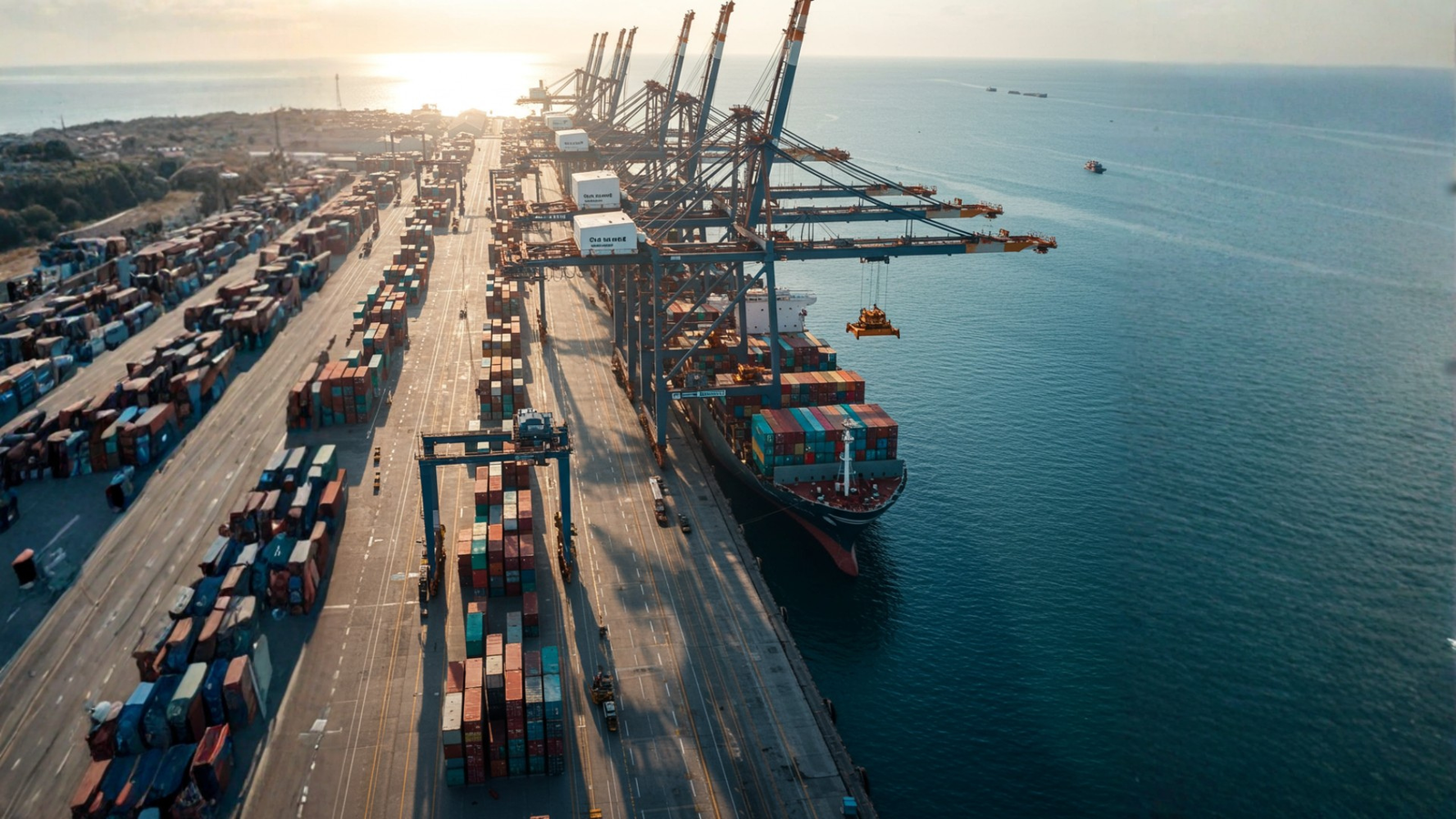
The Definitive Guide to Freight Shipping from China to the USA: Navigating Costs, Regulations, and Efficient Logistics
The global marketplace increasingly relies on efficient international trade, with China serving as a pivotal manufacturing hub. For businesses and individuals in the United States, successfully importing goods from China is a cornerstone of supply chain management and commercial success. However, the process of freight shipping from China to the USA is often perceived as complex, costly, and fraught with regulatory hurdles. Navigating the intricacies of international shipping China to USA demands a strategic approach and a deep understanding of logistics.
This definitive guide aims to demystify the entire journey of shipping from China to the USA. We will break down the primary shipping methods, walk you through the step-by-step process, illuminate the critical factors that determine shipping rates China to USA, and provide actionable strategies for optimizing your logistics. By the end of this article, you will be equipped with the comprehensive knowledge needed to understand China to USA shipping rates and make informed decisions for your import operations, ultimately enhancing your competitive edge.
Understanding Freight Shipping from China to the USA
At its core, freight shipping from China to the USA involves the organized transport of commercial goods across international borders. This process is far more intricate than domestic shipping, requiring sophisticated coordination among multiple parties and strict adherence to international trade laws and domestic regulations.
What is Freight Shipping?
Freight shipping refers to the transportation of goods, cargo, or commodities in large quantities. Unlike parcel shipping, which handles smaller packages, freight deals with bulk items, pallets, or containers, essential for commercial supply chains. The journey from China to the USA spans thousands of miles, crossing oceans and continents, necessitating robust logistical planning for successful shipping China to US.
Key Players in Your China-USA Supply Chain
Successful shipping China to US involves a collaborative effort among several key entities:
- Shipper/Exporter: The company or individual originating the goods in China.
- Consignee/Importer: The company or individual receiving the goods in the USA.
- Freight Forwarder: An indispensable intermediary that organizes and manages the entire shipping process on behalf of the importer. They handle logistics, documentation, carrier selection, and often customs clearance.
- Carrier: The actual transportation company responsible for moving the goods (e.g., shipping lines like Maersk, airlines like Cathay Pacific, or express couriers like FedEx).
- Customs Authorities: Government agencies (e.g., US Customs and Border Protection – CBP) responsible for enforcing import/export laws, collecting duties, and ensuring compliance.
- Customs Broker: A licensed professional who specializes in clearing goods through customs, often employed by or partnered with freight forwarders.
Primary Shipping Methods from China to the USA: Speed vs. Cost
Choosing the right shipping method is a critical decision, directly impacting speed, cost, and the suitability for your specific cargo. Here are the main options for shipping from China to the USA:
1. Air Freight from China to USA: The Fastest Route
Air freight is the premium option for shipping from China to the USA, prioritized for its speed and reliability.
- Pros:
- Speed: Unmatched transit times, typically 3-10 days port-to-port, making it ideal for urgent or time-sensitive shipments. This significantly reduces shipping time China to USA.
- Reliability: Less susceptible to adverse weather conditions or port congestion compared to sea freight.
- Security: Generally offers higher security measures and reduced risk of theft or damage.
- Cons:
- Cost: Significantly more expensive than sea freight, especially for heavy or bulky items. The air freight China to USA cost can be substantial.
- Capacity Limitations: Subject to strict weight and volume restrictions, unsuitable for extremely large or heavy cargo.
- Environmental Impact: Higher carbon footprint per ton-mile compared to sea freight.
Ideal for: High-value electronics, fashion items, pharmaceuticals, urgent samples, perishable goods, or products with short shelf lives.
2. Sea Freight from China to USA: The Economical Bulk Option
Sea freight is the most cost-effective solution for large volumes and heavy goods, forming the backbone of global trade for shipping from China to the USA.
- Pros:
- Cost-Effectiveness: Dramatically lower shipping rates China to USA for bulk cargo, offering significant savings for larger shipments.
- Capacity: Can handle virtually any size or weight of cargo, including oversized or hazardous materials.
- Environmental Impact: Lower carbon footprint per unit compared to air freight.
- Cons:
- Speed: Much longer transit times, typically 20-45 days port-to-port, plus additional time for loading, unloading, and customs clearance. This extends the shipping time China to USA.
- Flexibility: While regular, departure schedules might be less frequent than air freight, and subject to port congestion.
- Potential Delays: Susceptible to weather, port strikes, customs hold-ups, and other unforeseen maritime issues.
Types of Sea Freight:
- FCL (Full Container Load): Your goods occupy an entire shipping container (e.g., 20ft, 40ft, 40ft HQ). This is often the most economical choice per unit if you have enough cargo to fill or nearly fill a container, as it avoids consolidation and deconsolidation fees. It’s the standard for container shipping China to USA.
- LCL (Less than Container Load): If your shipment isn’t large enough to fill an entire container, your goods will be consolidated with other shippers’ cargo into one container. While more expensive per cubic meter than FCL, LCL shipping China to USA is a cost-effective solution for smaller shipments that are too large for express air couriers but too small for a dedicated container.
Ideal for: Bulk commodities, non-urgent consumer goods, raw materials, heavy machinery, furniture, or products with long lead times.
3. Express Shipping from China to USA: Door-to-Door Convenience
Services offered by integrated couriers like DHL, FedEx, UPS, and TNT provide expedited, door-to-door shipping from China to the USA for smaller, lighter packages.
- Pros:
- Speed: Faster than standard air freight, often 3-7 days from pickup to delivery.
- Convenience: Comprehensive door-to-door service, including simplified customs clearance and pickup/delivery.
- Tracking: Robust and real-time tracking systems.
- Cons:
- Cost: Generally the most expensive option on a per-kilogram basis, especially for items over 20-30 kg.
- Weight/Volume Limits: Best suited for small parcels, documents, and samples due to cost escalation for larger items.
Ideal for: Samples, urgent documents, small e-commerce orders, or very high-value, small parcels where speed and convenience outweigh cost.
The Comprehensive Step-by-Step Process of Shipping from China to the USA
Navigating the logistics of how to ship from China to USA involves a meticulously coordinated series of steps. Understanding this end-to-end process is paramount for ensuring a smooth and compliant import operation.
1. Preparation & Documentation: Laying the Groundwork for China to USA Shipments
Accurate and complete documentation is the bedrock of international shipping. Key documents include:
- Commercial Invoice: A detailed record of the transaction, goods, value, seller, and buyer. Essential for customs valuation.
- Packing List: Itemizes the contents of each package, including dimensions, weight, and marks.
- Bill of Lading (B/L) / Air Waybill (AWB): The contract of carriage between the shipper and carrier, acting as a receipt for goods and a title document.
- Certificate of Origin: May be required for specific goods to determine applicable tariffs and trade agreements.
- Licenses/Permits: For restricted or regulated goods (e.g., certain electronics, food, medical devices, chemicals).
- Incoterms: Clearly defined international commercial terms (e.g., EXW, FOB, CIF, DDP) that specify the responsibilities, costs, and risks between buyer and seller at various stages of the journey.
2. Quotation & Booking Your Freight Shipping from China to USA
Once your goods are ready and documentation understood, the next step is to obtain and compare quotes:
- Request Quotes: Contact reputable freight forwarders, providing precise details about your cargo (HS code, dimensions, weight, quantity, commodity description), origin address in China, and final destination in the USA, along with your desired transit time.
- Compare & Book: Evaluate quotes based on cost, transit time, included services, and reliability. Confirm your chosen shipping method and formally book your shipment with the selected freight forwarder.
3. Origin Logistics & Export Clearance (China)
This phase covers the initial movement of goods within China:
- Pickup/Delivery: Your goods are transported from the supplier’s factory to the freight forwarder’s warehouse, a consolidation center (for LCL), or directly to the origin port/airport.
- Warehousing/Consolidation: For LCL shipments, goods are consolidated with other cargo to fill a container.
- Export Customs Clearance: The freight forwarder or supplier handles the necessary customs declaration in China, ensuring the goods meet all Chinese export regulations and are approved for international departure.
4. Main Carriage: Trans-Pacific Transit
This is the longest leg of the journey, where goods are transported across the Pacific Ocean:
- Loading: Goods are loaded onto the chosen vessel (for sea freight) or aircraft (for air freight).
- Transit: The cargo travels from the port/airport of origin in China to the port/airport of entry in the USA.
5. Destination Logistics & Import Customs Clearance (USA)
Upon arrival in the US, a critical series of events unfolds:
- Arrival Notification: You or your freight forwarder will be notified of the shipment’s arrival at the designated US port or airport.
- Import Customs Clearance: This is a pivotal step. Your customs broker (often an integral part of your freight forwarder’s service) will submit all required documentation to US Customs and Border Protection (CBP) for formal entry. This process ensures customs clearance China USA is handled correctly.
- Payment of Duties & Taxes: Based on the Harmonized System (HS) code, declared value, and country of origin, applicable import duties China to USA, tariffs (e.g., Section 301 tariffs), and taxes are assessed and must be paid to CBP.
- Customs Release: Once all documentation is approved and duties/taxes are paid, CBP officially releases the cargo.
6. Last-Mile Delivery: To Your US Doorstep
The final leg brings your goods to their ultimate destination:
- Pickup & Transport: Released goods are picked up from the US port/airport terminal.
- Delivery: The cargo is transported via truck or rail to your final destination, whether it’s a warehouse, distribution center, or retail store.
Demystifying Shipping Rates from China to the USA: Key Cost Factors
Understanding shipping rates China to USA is perhaps the most critical aspect for importers. These rates are dynamic and influenced by a multitude of factors, making accurate forecasting challenging without expert assistance. The cost to ship from China to USA is not merely a single price but a composite of various charges.
Here are the key factors that drive China to USA shipping rates:
1. Shipping Method & Service Level
As detailed earlier, the fundamental choice between air freight, sea freight, or express courier has the most significant impact on cost. Air freight is premium, sea freight is economical for bulk, and express is for small, urgent parcels. Within each method, there are also different service levels (e.g., expedited air freight vs. deferred air freight).
2. Cargo Volume, Weight, and Dimensions
- Sea Freight: Rates for LCL shipping China to USA are typically calculated per CBM (cubic meter) or per 1,000 kg, whichever yields a higher charge. For FCL shipping China to USA, rates are usually a flat fee per container type (20ft, 40ft, 40ft HQ).
- Air Freight/Express: Rates are based on either actual gross weight or volumetric weight (dimensional weight), whichever is greater. Volumetric weight accounts for the space a package occupies, calculated by (Length x Width x Height in cm) / 5000 (or 6000 for some carriers).
3. Origin, Destination, and Route
Rates vary significantly depending on:
- Origin Port/Airport in China: Major hubs like Shanghai, Shenzhen, Ningbo, Guangzhou, Qingdao often have more competitive rates due to higher traffic and competition.
- Destination Port/Airport in the USA: West Coast ports (e.g., Los Angeles, Long Beach) are typically cheaper for sea freight from Asia than East Coast ports (e.g., New York, Savannah) due to shorter transit times. Inland transportation costs from the port to your final warehouse also add to the total.
4. Fuel Surcharges and Market Volatility
Fuel prices are notoriously volatile, directly impacting shipping costs. Carriers apply surcharges to compensate:
- BAF (Bunker Adjustment Factor): Common for sea freight, reflecting changes in fuel (bunker) prices.
- FAF (Fuel Adjustment Factor): Applied to air freight.
These surcharges can fluctuate weekly or monthly.
5. Seasonal Demand & Peak Season Surcharges
China to USA shipping rates are highly susceptible to seasonal fluctuations:
- Peak Seasons: Rates tend to spike significantly during periods of high demand, such as:
- Pre-Chinese New Year (January/February)
- Golden Week (October)
- Back-to-School season (July/August)
- Q4 Holiday Rush (August to December for Black Friday, Cyber Monday, Christmas)
- General Rate Increases (GRIs): Carriers frequently implement GRIs, especially leading into peak seasons, to manage demand and pricing.
6. Customs Duties, Tariffs, and Taxes
These are not part of the freight cost but are a substantial component of the total landed cost:
- HS Code: The Harmonized System code determines the duty rate for your specific product.
- Declared Value: Duties are calculated as a percentage of the goods’ declared value.
- Country of Origin: The origin dictates whether specific tariffs apply. The US has implemented Section 301 tariffs on various goods from China, which can add a significant percentage to the cost. Understanding import duties China to USA is crucial.
7. Cargo Insurance
While optional, cargo insurance is highly recommended to protect against loss, damage, or theft during transit. This typically adds a small percentage (e.g., 0.3-0.5%) of the total commercial value of your goods plus freight cost.
8. Ancillary Fees & Surcharges
Beyond the base freight rate, numerous additional charges can accumulate:
- Terminal Handling Charges (THC): Fees for handling cargo at the origin and destination ports/airports.
- Drayage: The cost of transporting containers short distances, typically from the port to a nearby warehouse or rail yard.
- Customs Brokerage Fees: For handling documentation and facilitating customs clearance China USA.
- Documentation Fees: For processing various paperwork (e.g., Bill of Lading fees).
- Security Surcharges: For enhanced security measures.
- Storage/Demurrage/Detention: Fees incurred if cargo is not cleared or picked up within the carrier’s allotted “free time” at the port/terminal.
- Consolidation/Deconsolidation Fees: Specific to LCL shipments.
- Examination Fees: If your shipment is selected for a customs examination.
9. Incoterms: Defining Cost & Responsibility in China-USA Shipping
The chosen Incoterm (e.g., EXW, FOB, CIF, DDP) directly dictates which party (buyer or seller) is responsible for specific costs and risks at each stage of the journey. This choice fundamentally impacts the final price you pay your supplier and freight forwarder. For example, under FOB (Free On Board), the seller pays for transport to the port and loading, while the buyer pays for main carriage and all subsequent costs, whereas DDP (Delivered Duty Paid) means the seller handles almost everything to your door, including duties.
Strategies for Optimizing Your China to USA Shipping Costs & Efficiency
Finding the cheapest shipping from China to USA isn’t always about selecting the lowest quote, but about optimizing your entire logistics strategy.
Selecting the Right Shipping Method
- Analyze Your Needs: Prioritize speed, cost, or a balance based on product value, urgency, and dimensions. Don’t overpay for air freight if sea freight’s shipping time China to USA is acceptable.
- Consider Volume: For larger shipments, sea freight (especially FCL) almost always offers superior cost-efficiency. For smaller items, evaluate if express courier’s convenience outweighs the higher per-kg cost compared to LCL.
Packaging Optimization
- Minimize Dimensions & Weight: Efficient packaging that protects your goods while minimizing overall volume and weight can significantly reduce costs, especially for air freight and express.
- Durable Materials: Invest in sturdy packaging to prevent damage, reducing potential claims and replacement costs.
Consolidating Shipments for Cost Savings
- LCL for Smaller Orders: If you have multiple small orders from different suppliers, a freight forwarder can consolidate them into a single LCL shipment, reducing per-unit freight costs compared to individual express shipments.
- FCL for Regular Volume: If your combined monthly volume approaches half a container, consider holding goods for an FCL shipment to benefit from superior container shipping China to USA rates.
Strategic Planning & Timing
- Plan Well in Advance: The more lead time you provide, the more options you’ll have, often at better shipping rates China to USA.
- Avoid Peak Seasons: If possible, schedule shipments to avoid major holidays in China and the US, as well as the Q4 rush, when shipping rates China to USA are at their highest.
Leveraging a Reputable Freight Forwarder
A good freight forwarder can offer insights into market trends, optimize routes, and negotiate better rates than you might achieve independently. They are key to finding the cheapest shipping from China to USA while maintaining reliability.
Choosing the Right Freight Forwarder: Your Strategic Partner for China-USA Shipping
A reliable freight forwarder is your most valuable partner in navigating freight shipping from China to the USA. They act as your logistics arm, streamlining the process and often saving you money, time, and headaches. Selecting the right China freight forwarder to USA is a strategic decision.
Essential Criteria for Selection
- Experience & Specialization: Look for a forwarder with proven experience specifically in the China-USA lane and with your type of goods.
- Network & Presence: A strong network of agents and partners in both China and the USA ensures smooth operations, especially for origin and destination services.
- Communication & Transparency: Choose a forwarder that offers clear, prompt, and proactive communication. They should be transparent about all costs, potential surcharges, and any challenges.
- Customs Expertise: They should have in-house customs brokers or strong partnerships to handle complex US import regulations and customs clearance China USA efficiently.
- Technology & Tracking: Good tracking systems and online portals provide enhanced visibility into your shipment’s status.
- Customer Support: A dedicated and responsive support team is invaluable when issues arise.
- Financial Stability & Reputation: Ensure they are reputable and financially stable to protect your interests.
Questions to Ask Potential Freight Forwarders
- What are your typical transit times for my specific route and shipping method?
- Do your quotes include all-in costs, or are there potential hidden surcharges?
- How do you handle customs clearance in the USA? Do you use an in-house broker?
- What is your process for managing delays or unforeseen issues?
- What cargo insurance options do you offer?
- Can you provide references from other importers?
Common Challenges and Proactive Solutions in China-USA Shipping
Even with meticulous planning, challenges can arise when shipping from China to the USA. Being prepared with solutions can mitigate their impact.
Delays & Disruptions in China to USA Freight
- Causes: Port congestion, customs inspections, adverse weather, carrier equipment failures, labor disputes.
- Solution: Build buffer time into your supply chain. Choose reliable carriers and freight forwarders. Maintain open communication with your forwarder for real-time updates and alternative solutions.
Customs & Regulatory Hurdles
- Causes: Incorrect documentation, undeclared items, non-compliance with US import regulations, new tariffs, or random inspections.
- Solution: Ensure all documentation is accurate, complete, and compliant with both Chinese export and US import laws. Work with an experienced customs broker who understands import duties China to USA and customs clearance China USA. Stay informed about trade policy changes.
Damage, Loss, or Theft of Cargo
- Causes: Rough handling, improper stowage, accidents, or criminal activity.
- Solution: Invest in robust and appropriate packaging. Always purchase comprehensive cargo insurance to protect your financial interests. Inspect goods thoroughly upon arrival and document any discrepancies immediately.
Communication Gaps
- Causes: Language barriers, time zone differences, or lack of proactive updates from suppliers or logistics partners.
- Solution: Use a freight forwarder with strong English-speaking staff and effective communication protocols. Establish clear communication channels and expectations with your Chinese suppliers.
Volatile Shipping Rates
- Causes: Fluctuations in fuel prices, sudden shifts in demand/supply, geopolitical events, or carrier capacity reductions.
- Solution: Stay informed on market trends. Get multiple quotes and compare them diligently. For consistent volumes, explore longer-term contracts or fixed-rate agreements if available. Factor potential rate increases into your product pricing.
Conclusion: Mastering Your China-USA Shipping Strategy
Freight shipping from China to the USA is a complex but entirely manageable endeavor when approached with the right knowledge, strategic planning, and robust partnerships. By understanding the various shipping methods, the comprehensive step-by-step process, and the intricate factors that determine shipping rates China to USA, businesses and individuals can make informed decisions that optimize both cost and efficiency.
The journey from China to your US doorstep doesn’t have to be daunting. With a clear understanding of the logistics, diligent preparation, and the unwavering support of an experienced China freight forwarder to USA, you can transform the challenge of shipping from China to the USA into a seamless and successful component of your global supply chain, ultimately contributing to your business’s growth and profitability. Equip yourself with this definitive guide, and confidently navigate the complexities of international trade.
Frequently Asked Questions (FAQs) about Shipping from China to the USA
How long does it typically take to ship from China to the USA?
The shipping time China to USA varies significantly by method:
- Air Freight: Generally 3-10 days.
- Sea Freight: Typically 20-45 days for port-to-port transit, plus additional time for origin/destination logistics and customs clearance China USA.
- Express Shipping: Usually 3-7 days door-to-door.
What are the average shipping rates from China to the USA?
Shipping rates China to USA are highly dynamic.
- Air Freight: Can range from $4-$8+ per kg, depending on volume, urgency, and market conditions. The air freight China to USA cost is influenced by many factors.
- Sea Freight (LCL): Often priced per CBM, varying greatly but generally much lower per unit than air freight.
- Sea Freight (FCL): Container rates (e.g., 40ft) can fluctuate from $2,000 to over $15,000+ depending on the season, route, and market demand for container shipping China to USA.
The cost to ship from China to USA is a complex calculation involving base freight, surcharges, duties, and destination fees. Always get a detailed quote for your specific shipment.
What is the cheapest way to ship from China to the USA?
For large, heavy, or bulky shipments, sea freight (especially FCL) is almost always the cheapest shipping from China to USA option on a per-unit or per-volume basis. For smaller shipments that are too large for express but not enough for FCL, LCL shipping China to USA offers a cost-effective alternative to air freight.
Do I need a customs broker for shipments from China to the USA?
While not legally mandatory for all importers, using a licensed customs broker is highly recommended, especially for commercial shipments. They possess expertise in US import regulations, HS codes, import duties China to USA, and can efficiently handle customs clearance China USA, preventing costly delays or penalties. Many freight forwarders offer in-house customs brokerage services.
What are Incoterms and why are they important for China-USA shipping?
Incoterms (International Commercial Terms) are a set of globally recognized rules that define the responsibilities of sellers and buyers for the delivery of goods under sales contracts. They specify who is responsible for paying for and managing the shipment, insurance, documentation, and customs clearance at each stage of the journey. Choosing the correct Incoterm (e.g., EXW, FOB, CIF, DDP) is crucial as it directly impacts your total cost to ship from China to USA, risk exposure, and operational duties.
How do I calculate import duties for goods from China to the USA?
Import duties China to USA are primarily calculated based on:
- Harmonized System (HS) Code: Each product has a specific HS code, which determines its duty rate.
- Declared Value: Duties are typically a percentage of the goods’ customs value.
- Country of Origin: Duties may vary based on trade agreements or specific tariffs (e.g., Section 301 tariffs on Chinese goods).
You can find HS codes and duty rates on the US International Trade Commission (USITC) website or consult with a customs broker. An experienced China freight forwarder to USA can also assist.
Key Considerations for Comparing China-USA Shipping Options
When evaluating various freight shipping from China to USA options, decision-makers should consider a holistic view beyond just the base China to USA shipping rates.
Transit Time Requirements
- Urgency: Is your product time-sensitive (e.g., seasonal fashion, perishable goods)? Air freight offers speed but at a higher air freight China to USA cost.
- Lead Time: Do you have sufficient lead time to accommodate longer shipping time China to USA? Sea freight is more economical for less urgent cargo.
- Supply Chain Resilience: How critical is predictable delivery to your operations? Consider the reliability of different methods.
Total Landed Cost (Beyond Just Freight)
- Hidden Fees: Ensure quotes are “all-in” and clarify any potential surcharges (fuel, terminal handling, documentation, customs brokerage).
- Duties & Taxes: Factor in import duties China to USA and tariffs (e.g., Section 301) to understand the true cost to ship from China to USA.
- Insurance: Account for cargo insurance costs to protect against financial loss.
- Warehousing & Inventory: Consider how transit time affects your inventory holding costs and potential stockouts.
Cargo Type & Specific Requirements
- Dimensions & Weight: Is your cargo small and light, or large and heavy? This dictates the feasibility and cost-effectiveness of air vs. sea freight.
- Nature of Goods: Are they hazardous, fragile, temperature-sensitive, or high-value? Specific handling, packaging, and regulatory compliance will influence method choice and cost.
- Volume Consistency: Do you have consistent, high-volume shipments (FCL potential) or sporadic, smaller orders (LCL or express)?
Reliability & Carrier Reputation
- Track Record: Research the reputation of carriers and freight forwarders for on-time delivery and service quality.
- Flexibility: Can your chosen partner adapt to unforeseen circumstances or changes in your shipping needs?
- Risk Management: How do they handle potential delays, damages, or customs issues?
Visibility & Tracking Capabilities
- Real-time Updates: Does the freight forwarder provide robust tracking and proactive communication?
- Data Integration: Can their systems integrate with your existing supply chain management platforms for enhanced visibility?
- Reporting: Do they offer comprehensive reporting on shipment performance and costs?
By meticulously weighing these criteria, businesses can select the most appropriate and cost-effective freight shipping from China to USA strategy, transforming a complex logistical challenge into a competitive advantage.