

Mastering International Shipping Between China and the UK: Your Definitive Guide
The trade relationship between China and the United Kingdom is a cornerstone of the global economy, involving a vast flow of goods ranging from consumer electronics to industrial machinery. For businesses engaged in this dynamic exchange, understanding the intricacies of international shipping China to UK – and indeed, delivery to China from UK – is paramount. This definitive guide will demystify the process, offering strategic insights into various shipping modes, critical routes, customs requirements, and key considerations to ensure your shipments from China to UK (and vice-versa) are efficient, compliant, and cost-effective.
Whether you’re an established importer, an emerging e-commerce business, or a manufacturer exporting to new markets, this resource will equip you with the knowledge to optimize your logistics strategy and make informed decisions.
1. Understanding the Core: Shipping Modes Between China and the UK
When planning international shipping China to UK, the primary decision revolves around the mode of transport: sea freight or air freight. Each offers distinct advantages and disadvantages concerning cost, speed, and capacity.
1.1 Sea Freight: The Backbone of Global Trade (Cargo Ship from China to UK)
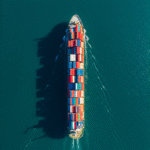
Sea freight is the most common and cost-effective method for transporting large volumes of goods. If you’re looking for a cargo ship from China to UK, you’ll typically encounter two main options:
- Full Container Load (FCL): Your goods occupy an entire shipping container (e.g., 20ft or 40ft). This is ideal for larger shipments, offering faster transit within the sea freight category and often better security. This method is often referred to as FCL shipping China UK and is a staple of container shipping China to UK.
- Less than Container Load (LCL): Your goods share container space with other shippers’ cargo. LCL is perfect for smaller shipments that don’t warrant a full container, offering significant cost savings but potentially longer transit times due to consolidation and deconsolidation processes. This is commonly known as LCL shipping China UK.
Key Advantages of Sea Freight:
- Cost-Effective: Significantly cheaper for large volumes and heavy goods.
- High Capacity: Can transport virtually any type and size of cargo.
- Environmentally Friendlier: Generally has a lower carbon footprint per ton-mile compared to air freight.
Key Disadvantages of Sea Freight:
- Slower Transit Times: Considerably longer than air freight.
- Less Flexible: Schedules can be subject to delays due to weather or port congestion.
1.2 Air Freight: Speed and Urgency
For time-sensitive shipments from China to UK, air freight is the undisputed champion. While more expensive, it offers unparalleled speed and reliability. This service is often called air freight China UK or express shipping China UK.
Key Advantages of Air Freight:
- Speed: Fastest transit times, crucial for perishable goods, high-value items, or urgent deliveries.
- Reliability: Less susceptible to delays compared to sea freight, with more predictable schedules.
- Enhanced Security: Generally lower risk of damage or theft due to faster handling and tighter security protocols.
Key Disadvantages of Air Freight:
- Higher Cost: Significantly more expensive, especially for heavy or bulky items.
- Capacity Limitations: Restrictions on size, weight, and types of goods (e.g., dangerous goods).
1.3 Sea Freight vs. Air Freight: A Comparative Overview
Choosing between sea and air freight requires a clear understanding of your priorities:
| Feature | Sea Freight (FCL/LCL) | Air Freight |
|---|---|---|
| Cost | Lower, especially for large volumes | Higher, especially for heavy/bulky items |
| Speed | Slow (28-45+ days port-to-port) | Fast (3-7 days door-to-door) |
| Capacity | High (suitable for large, heavy, bulky cargo) | Limited (best for smaller, lighter, high-value) |
| Reliability | Subject to weather, port congestion | Highly reliable, predictable schedules |
| Environmental Impact | Lower carbon footprint per ton-mile | Higher carbon footprint per ton-mile |
| Security | Good, but longer transit can increase risk exposure | Excellent, shorter transit reduces risk |
| Ideal For | Non-urgent, large volume, heavy goods | Urgent, high-value, perishable, time-sensitive |
2. Unpacking the Routes: What Route Do Container Ships Take From China to UK?
Understanding the maritime pathways is crucial for predicting transit times China UK and assessing potential risks.
2.1 Major Sea Freight Routes from China to the UK
The primary China to UK shipping routes for container ships involve traversing several major bodies of water and strategic choke points. If you’re wondering what route do container ships take from China to UK, here’s a typical journey for container shipping routes China UK:
- Departure from China: Cargo ships typically depart from major Chinese ports such as Shanghai, Ningbo, Shenzhen, Guangzhou, Qingdao, and Tianjin.
- South China Sea & Malacca Strait: Vessels navigate through the bustling South China Sea, then through the narrow and strategically vital Strait of Malacca, located between Malaysia and Indonesia.
- Indian Ocean & Arabian Sea: After Malacca, ships cross the Indian Ocean and into the Arabian Sea.
- Red Sea & Suez Canal: The most critical segment for East-West trade is the Red Sea, leading to the Suez Canal in Egypt. This man-made waterway provides a direct link between the Indian Ocean and the Mediterranean Sea, significantly shortening transit times compared to sailing around the Cape of Good Hope.
- Mediterranean Sea & Atlantic Ocean: Upon exiting the Suez Canal, ships cross the Mediterranean Sea, pass through the Strait of Gibraltar, and enter the Atlantic Ocean.
- Arrival in the UK: Finally, vessels proceed towards major UK ports such as Felixstowe, Southampton, London Gateway, and Liverpool.
2.2 Typical Transit Times for Shipments from China to UK
- Sea Freight: Approximately 28-45 days (port-to-port), depending on the specific origin and destination ports, service type (direct vs. transhipment), and current shipping conditions. This is the typical cargo ship transit time China UK.
- Air Freight: Generally 3-7 days (door-to-door), including customs clearance and final delivery.
3. The Shipping Process: A Step-by-Step Guide
Regardless of the mode, the process of international shipping China to UK involves several key stages, ensuring smooth shipping from China to UK and effective management of your shipments from China to UK.
3.1 Planning and Booking Your Shipment
- Determine Requirements: Assess cargo type, volume, urgency, and budget.
- Obtain Quotes: Contact freight forwarders for competitive freight rates China UK. Ensure quotes clearly outline all charges (freight, surcharges, customs, delivery) to understand the full cost of shipping from China to UK. This helps in estimating overall shipping costs China UK.
- Choose Incoterms: Define responsibilities and costs between buyer and seller (e.g., EXW, FOB, CIF, DDP). This is critical for managing risk and cost.
3.2 Documentation and Export from Origin (China)
Accurate documentation is vital for smooth customs clearance. Your freight forwarder will coordinate the export customs clearance in China. Key documents include:
- Commercial Invoice: Details the goods, value, and buyer/seller information.
- Packing List: Itemizes contents of each package, weight, and dimensions.
- Bill of Lading (B/L) for Sea Freight / Air Waybill (AWB) for Air Freight: The contract of carriage and title to the goods.
- Export License (if required): For specific goods leaving China.
- Certificate of Origin (if required): To claim preferential tariffs.
3.3 Transportation and Tracking
Once export customs is cleared, your goods are loaded onto the cargo ship from China to UK or air freighter. Most freight forwarders provide tracking services, allowing you to monitor your shipments from China to UK in real-time.
3.4 Import Customs Clearance and Duties in the UK
Upon arrival in the UK, your goods must undergo import customs clearance. This is a critical stage where duties and taxes are assessed, a key part of the import from China to UK guide and customs clearance China UK process.
- Customs Declaration: Your customs broker (often part of your freight forwarder’s service) will submit a customs declaration to HMRC, using the necessary documentation.
- Duties and VAT:
- Customs Duty: Calculated based on the commodity code (HS Code) and the customs value of the goods (which includes the cost of the goods, transport, and insurance up to the UK border).
- Import VAT: Applied at the standard UK VAT rate (currently 20%) on the total value of the goods, including customs duty and shipping costs.
- EORI Number: UK importers must have an Economic Operators Registration and Identification (EORI) number.
3.5 Final Delivery
Once customs duties and VAT are paid, and clearance is granted, your goods are released for final delivery to your specified UK address. This “last mile” delivery can be arranged by your freight forwarder, completing the journey for your international shipping China to UK.
4. Key Considerations for Smooth Shipments
Beyond the core process, several factors can significantly impact the success of your international shipping China to UK operations.
4.1 Choosing the Right Freight Forwarder
A reliable freight forwarder China UK is your indispensable partner. Look for a company with:
- Experience: Proven track record in China-UK routes.
- Network: Strong relationships with carriers and agents in both countries.
- Expertise: Knowledge of customs regulations, Incoterms, and specific industry requirements.
- Technology: Robust tracking and communication systems for effective logistics China UK.
- Customer Service: Responsive and proactive communication.
4.2 Incoterms 2020: Defining Responsibilities
Clearly defining Incoterms (International Commercial Terms) is crucial. They specify who is responsible for costs and risks at each stage of the shipping journey. Common Incoterms for China-UK trade include:
- FOB (Free On Board): Seller pays for goods to be loaded onto the ship at the origin port. Buyer takes over costs and risks from there.
- CIF (Cost, Insurance, and Freight): Seller pays for costs and insurance to the destination port. Buyer takes over once goods arrive at the destination port.
- DDP (Delivered Duty Paid): Seller bears all costs and risks, including customs duties and taxes, until the goods are delivered to the buyer’s specified location. This is often preferred by buyers for simplicity, but can be complex for sellers to manage.
4.3 Cargo Insurance: Protecting Your Investment
While rare, accidents and unforeseen events can occur. Comprehensive cargo insurance protects your investment against loss or damage during transit. The cost is usually a small percentage of the cargo’s value, providing peace of mind.
4.4 Packaging and Labeling Best Practices
Proper packaging is vital to protect your goods from damage during international transit. Ensure packaging is robust, weather-resistant, and suitable for the chosen mode of transport. Accurate and clear labeling, including shipper/consignee details, destination, commodity codes, and any hazardous material warnings, is mandatory for customs and safe handling.
4.5 Restricted and Prohibited Goods
Be aware of goods that are restricted or prohibited for import into the UK or export from China. This includes certain chemicals, foodstuffs, electronics, and items infringing intellectual property rights. Always check regulations specific to your product and destination to avoid delays or penalties.
5. Shipping to China from the UK: Delivery to China From UK
While the focus often lies on imports from China, the query “delivery to china from uk” highlights the need to address exports to China. The general principles of international shipping (modes, documentation) remain similar, but specific Chinese import regulations and processes must be considered. This section serves as an essential export to China from UK guide.
5.1 Key Differences and Regulations for Exporting to China
- Chinese Customs Regulations: China has strict import regulations, including specific licensing requirements for certain goods and detailed product labeling rules.
- CCC Certification: Many products, particularly electronics, automotive parts, and consumer goods, require China Compulsory Certification (CCC) before they can be imported and sold in China.
- Import Duties and VAT in China: Similar to the UK, goods entering China are subject to import duties and a Value Added Tax (VAT), which vary based on the product’s HS code and origin.
- Specific Documentation: Certain goods might require additional certificates, such as health certificates for food products or phytosanitary certificates for agricultural products.
- E-commerce Regulations: If shipping directly to consumers in China, be aware of cross-border e-commerce rules, which can offer simplified customs procedures for certain low-value goods but have their own complexities.
Engaging a freight forwarder with strong expertise in the Chinese market is crucial for successful delivery to China from UK.
6. Optimizing Your Shipping Strategy: Key Criteria for Success
Making informed decisions about your international shipping strategy is crucial for cost efficiency and supply chain resilience.
6.1 Factors Influencing Cost and Efficiency
Several variables impact the overall cost of shipping from China to UK and the efficiency of your logistics:
- Volume and Weight: Larger, heavier shipments generally benefit from sea freight, while smaller, lighter, urgent items are best for air freight.
- Urgency: Time-sensitive goods necessitate air freight, while goods with longer lead times can leverage the cost savings of sea freight.
- Product Type: Hazardous materials, perishables, or high-value items may have specific handling, documentation, or insurance requirements that influence cost and method.
- Origin and Destination: Proximity to major ports/airports in China and the UK can affect local transport costs and transit times.
- Seasonality: Peak shipping seasons (e.g., before Chinese New Year, Black Friday, Christmas) can lead to higher rates and longer transit times.
- Market Fluctuations: Fuel costs, exchange rates, and geopolitical events can all impact freight rates China UK.
6.2 Partnering for Success: Selecting the Right Logistics Provider
Choosing the right logistics partner is arguably the most critical decision. Consider these criteria when evaluating a freight forwarder China UK:
- Global Network & Local Presence: Do they have strong agents or offices in both China and the UK?
- Customs Expertise: Can they competently handle complex customs procedures in both countries?
- Technology & Transparency: Do they offer robust tracking, clear communication, and digital tools?
- Service Portfolio: Do they offer a full suite of services (FCL, LCL, air freight, warehousing, last-mile delivery)?
- Industry Specialization: Do they have experience with your specific product type or industry?
- Reputation & References: What do their existing clients say about their reliability and problem-solving capabilities?
7. Frequently Asked Questions (FAQs) About China-UK Shipping
7.1 How much does it cost to ship from China to the UK?
The cost of shipping from China to UK varies significantly based on the mode (sea vs. air), volume, weight, specific origin/destination, Incoterms, and current market conditions. Sea freight for a 20ft container can range from £1,500-£4,000+, while air freight can be £3-£10+ per kg. It’s essential to get a detailed quote from a freight forwarder.
7.2 How long does a cargo ship take from China to the UK?
A cargo ship from China to UK typically takes between 28 to 45 days for port-to-port transit. This duration can be influenced by the specific ports, whether it’s a direct or transhipment service, and current shipping lane conditions.
7.3 What documents are needed for shipping from China to the UK?
Key documents include a Commercial Invoice, Packing List, Bill of Lading (for sea freight) or Air Waybill (for air freight), and potentially an Export License or Certificate of Origin. For import into the UK, an EORI number is mandatory.
7.4 Do I pay VAT on imports from China to the UK?
Yes, import VAT is generally applied at the standard UK rate (currently 20%) on the total value of the goods, which includes the cost of the goods, shipping, and any customs duties. This is paid to HMRC upon import.
7.5 Can I ship personal items from China to the UK?
Yes, you can ship personal items. However, the process still involves customs declarations, and you may be subject to duties and VAT depending on the value and type of goods, and whether you are relocating permanently or sending gifts. It’s advisable to use a specialist personal effects shipper or a freight forwarder experienced in such shipments.
Conclusion: Your Partner in Global Logistics
Navigating the complexities of international shipping China to UK and delivery to China from UK requires meticulous planning, accurate documentation, and strategic partnerships. By understanding the available shipping modes, critical routes, customs requirements, and key considerations, businesses can streamline their supply chain, mitigate risks, and achieve significant efficiencies.
Whether you’re moving a single pallet or multiple containers, a knowledgeable freight forwarder is your essential ally. They provide the expertise to manage the logistics, ensure compliance, and deliver your shipments from China to UK (or vice-versa) seamlessly.
Ready to optimize your China-UK shipping strategy? Contact our experts today for a tailored consultation and competitive freight quotes.