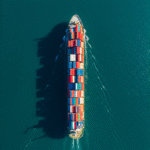


International Shipping Rates: Ocean Freight & Container Costs Guide
For businesses operating in Singapore and across the Asia Pacific region, navigating the complexities of international shipping rates is crucial for effective logistics and cost management. Whether you are importing raw materials, exporting finished goods, or planning a complex supply chain, understanding the various factors that influence ocean freight rates and container shipping rates is paramount. This guide will demystify the components of sea freight rates, offer practical insights, and help you make informed decisions for your shipping needs.
What Influences International Shipping Rates?
The cost of moving goods across oceans is rarely static. Numerous variables contribute to the fluctuation of international shipping rates, making it essential for project managers, procurement teams, and logistics professionals to stay updated.
Fuel Costs (Bunker Adjustment Factor – BAF)
One of the most significant components of international shipping rates is the cost of fuel for vessels. The Bunker Adjustment Factor (BAF) is a surcharge applied by shipping lines to account for changes in fuel prices. As global oil prices rise or fall, so too does the BAF, directly impacting your overall ocean freight rates. This is particularly relevant for long-haul routes common in Asia Pacific trade lanes.
Supply and Demand Dynamics
Like any market, the shipping industry is heavily influenced by supply and demand. During peak seasons, such as before major holidays (e.g., Chinese New Year, Christmas) or during periods of strong economic growth, the demand for shipping capacity can surge. If there are fewer available vessels or containers than goods needing to be shipped, rates will naturally increase. Conversely, during off-peak periods or economic downturns, rates may soften.
Container Type and Size
The type and size of the container you require will significantly impact your container shipping rates. A standard 20-foot or 40-foot dry container is typically the most economical option. However, rates will be higher if your cargo needs specialised containers. Examples include refrigerated units (reefers) for perishable goods or open-top and flat-rack containers for oversized items. This is due to their limited availability and specialised handling requirements.
Route and Distance
The geographical distance between the origin and destination ports, along with the specific trade lane, directly impacts sea freight rates. Routes with higher traffic volume, fewer transhipments, and direct services often have more competitive rates. For example, pricing for shipping from Singapore to Shanghai differs from a less frequent route to a smaller Pacific Islands port.
Port Congestion and Handling Charges
Congestion at major ports, a common challenge in busy hubs like Singapore or Hong Kong, can lead to delays and additional charges. Terminal Handling Charges (THC) cover container loading and unloading costs at the port. These charges can vary significantly between different ports and terminals.
Seasonal Fluctuations and Global Events
Shipping rates often follow seasonal patterns, with higher rates during peak seasons. Beyond predictable seasonality, unexpected global events can cause sudden and drastic spikes in international shipping rates. Examples include pandemics, major accidents (like canal blockages), or geopolitical tensions, which disrupt supply chains and capacity.
Breaking Down Container Shipping Costs: Beyond the Basic Rate
Understanding the final invoice for your shipment means looking beyond just the base rate. Numerous surcharges and additional fees contribute to the overall international shipping rates.
Base Freight Rate
This is the fundamental cost charged by the shipping line for transporting your cargo from the port of origin to the port of destination. It covers the vessel space and the primary transit.
Common Surcharges to Expect
- Bunker Adjustment Factor (BAF): As mentioned, this covers fuel price fluctuations.
- Currency Adjustment Factor (CAF): This surcharge accounts for currency fluctuations between the currency of the freight rate and the currency of the operating costs.
- Terminal Handling Charges (THC): Fees for handling containers at the origin and destination ports.
- Peak Season Surcharge (PSS): Applied during periods of high demand to manage increased operational costs.
- Security Surcharge (ISPS): Covers enhanced security measures at ports and on vessels.
- Documentation Fee: For processing the necessary paperwork for your shipment.
- Congestion Surcharge: Imposed when ports experience significant delays due to congestion.
Customs Clearance and Documentation
Beyond the direct shipping costs, you will incur expenses related to customs declaration, import/export permits, duties, and taxes. Engaging a reliable customs broker is often essential for smooth clearance, especially when dealing with varied regulations across Asia Pacific nations.
Insurance
While optional, cargo insurance is highly recommended to protect your goods against loss or damage during transit. The cost of insurance is typically a percentage of your cargo’s declared value.
Strategies for Managing and Optimising Your Sea Freight Rates
- Plan Ahead and Book Early: Book your shipments well in advance, especially during peak seasons. This helps secure better sea freight rates and ensures container availability. Last-minute bookings often come with premium prices.
- Consider Flexible Shipping Options: Evaluate whether Full Container Load (FCL) or Less than Container Load (LCL) is more suitable. FCL is generally more cost-effective for larger volumes. However, LCL can be a pragmatic choice for smaller shipments, consolidating your cargo with others to share container shipping rates.
- Partner with a Reliable Logistics Provider: A reputable freight forwarder or logistics company with strong regional networks can negotiate better ocean freight rates. They leverage their volume and provide expert advice on routes, documentation, and customs. This saves you time and potential headaches.
- Optimise Container Loading: Efficiently plan your cargo load to maximise container space. This can reduce the number of containers required, directly impacting your overall shipping rates.
- Leverage Container Ownership or Leasing for Specific Needs: For businesses with consistent, high-volume shipping needs or long-term projects, purchasing or leasing containers directly can offer significant advantages. This is ideal for scenarios like a multi-year construction site in Jakarta needing on-site storage. This approach provides cost advantages and operational flexibility. It also bypasses per-shipment container costs embedded in freight rates, giving you control over logistics assets.
Real-World Applications: Shipping Containers in Singapore and Asia Pacific
The understanding of international shipping rates extends beyond just cargo movement. Shipping containers themselves are valuable assets, offering versatile solutions for various industries across Singapore and the broader Asia Pacific region.
Construction and Project Logistics
On large-scale construction sites, from high-rise developments in Singapore to infrastructure projects in Vietnam, containers are indispensable. They provide secure on-site storage for tools, equipment, and materials. Their robust design makes them ideal for tough environments. The cost of acquiring or leasing them is crucial for project budgets. This cost is often tied to initial shipping to the site.
Cold Chain Solutions (Reefer Containers)
For industries dealing with perishable goods – be it seafood from Malaysia, pharmaceuticals across Singapore, or fresh produce throughout Southeast Asia – temperature-controlled (reefer) containers are vital. MyBrand assists businesses in procuring or leasing these specialised units. This ensures temperature integrity throughout the supply chain and influences the overall cost of moving sensitive cargo.
Event Management and Pop-Up Retail
The adaptability of shipping containers has made them popular for temporary structures. From pop-up retail stores in Orchard Road to F&B stalls at large-scale events in Kuala Lumpur, repurposed containers offer quick, durable, and unique solutions. The initial transport and setup costs, influenced by shipping rates, are a key consideration for event organisers and retailers.
Warehousing and Storage
When businesses need additional, secure storage space quickly – perhaps for excess inventory in a Singapore warehouse or during a relocation – shipping containers provide a cost-effective and immediate solution. Understanding the logistics of getting these containers to your site is part of the overall cost analysis.
Frequently Asked Questions about Ocean Freight Rates
What is the difference between FCL and LCL?
FCL (Full Container Load) means your goods fill an entire container, regardless of whether you fully utilise its capacity. It generally offers faster transit times and is more cost-effective for larger shipments. LCL (Less than Container Load) means your goods share container space with other shippers’ cargo. It’s a more economical option for smaller shipments. However, it might involve slightly longer transit times due to consolidation and deconsolidation processes.
How often do international shipping rates change?
International shipping rates can change frequently, sometimes on a weekly or even daily basis, especially for spot rates. Long-term contract rates offer more stability but are typically reviewed annually or biannually. Factors like fuel prices, market demand, and global events are constant drivers of these fluctuations.
Can I get a fixed shipping rate?
While purely fixed rates are rare due to the volatile nature of the shipping market, you can often negotiate contract rates with shipping lines or freight forwarders for a specific period (e.g., 3-6 months). These contracts typically offer more stability than spot rates. However, they may still include clauses for surcharges like BAF and CAF, which can adjust based on market conditions.
Navigate Your Shipping Costs with Confidence
Mastering the intricacies of international shipping rates, ocean freight rates, and container shipping rates is essential. This helps optimise your supply chain in the dynamic Asia Pacific market. By understanding the contributing factors and employing smart strategies, businesses can make more informed decisions. This also helps control costs and improve efficiency.
Whether you are looking to buy, lease, or repurpose shipping containers for your logistics, construction, or storage needs, MyBrand offers a comprehensive range of solutions tailored for businesses in Singapore and the wider region. Our team is equipped to provide expert advice on container sales, leasing, repairs, re-inspection, and custom modifications.
Contact us today for a consultation or to request a detailed quote. Let us help you find the most cost-effective and efficient container solutions for your next project.