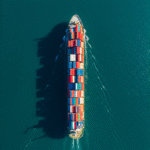


Shipping from China to USA: A Guide for APAC Businesses
For businesses in Singapore and across the Asia Pacific region, managing global supply chains is a critical aspect of operations. Whether you are importing components for manufacturing, finished goods for retail, or equipment for large-scale projects, understanding the intricacies of shipping from China to USA is paramount. This guide provides a clear, authoritative overview to help you navigate the process, manage costs, and anticipate timelines, ensuring your logistics operations run smoothly.
The trade route between China and the United States is one of the busiest in the world, facilitating immense volumes of cargo daily. As an APAC business, having a clear strategy for your China to USA shipping needs can significantly impact your bottom line and delivery schedules. Let’s delve into the essential considerations.
Understanding Your Options for Shipping from China to USA
When planning your international shipments, selecting the right mode of transport is the first critical decision. Your choice will depend on factors like urgency, cargo volume, value, and budget.
Sea Freight: The Most Common Choice
Sea freight remains the backbone of international trade, especially for bulk and heavy cargo. It’s the most cost-effective option for many businesses and is typically handled using standard shipping containers.
- Full Container Load (FCL): If your cargo is substantial enough to fill an entire 20-foot (6.1-metre) or 40-foot (12.2-metre) container, FCL is often the most efficient choice. You pay for the exclusive use of the container, offering greater security and typically faster transit times compared to shared containers.
- Less than Container Load (LCL): For smaller shipments that don’t fill an entire container, LCL allows you to share container space with other shippers. While more economical for smaller volumes, it can involve more handling and potentially longer transit times due to consolidation and deconsolidation processes at various ports.
Sea freight is ideal for non-urgent goods, raw materials, heavy machinery, or large quantities of products where transit time is less critical than cost.
Air Freight: For Speed and High-Value Goods
When speed is of the essence, air freight offers the quickest way to transport goods from China to the USA. It’s particularly suitable for time-sensitive cargo, high-value items, perishables, or products with short shelf lives.
- Benefits: Significantly faster transit times (days instead of weeks), higher reliability in meeting schedules, and reduced risk of damage for fragile goods.
- Considerations: Air freight is considerably more expensive than sea freight, especially for heavy or bulky shipments. Weight and volumetric weight calculations play a significant role in determining costs.
Multimodal Solutions: Optimising for Specific Needs
Sometimes, a combination of transport modes can offer the best balance of speed and cost. For example, you might use sea freight for the main leg from China to a US port, then rail or truck transport to reach an inland destination. These multimodal strategies are often coordinated by experienced logistics providers to streamline your supply chain.
Here’s a quick comparison of sea versus air freight for your reference:
| Factor | Sea Freight (FCL/LCL) | Air Freight |
|---|---|---|
| Cost Efficiency | Generally lower for bulk, heavy, and volumetric shipments. | Significantly higher, especially for heavy/bulky items. |
| Transit Time | Longer (typically 18-40+ days, depending on destination). | Shorter (typically 3-7 days, depending on destination). |
| Capacity | High (suited for large shipments, various container types). | Limited by aircraft cargo hold capacity and weight restrictions. |
| Best For | Non-urgent, large volume, heavy cargo; cost-sensitive goods. | Urgent, high-value, perishable, time-sensitive cargo. |
| Environmental Impact | Generally lower carbon footprint per tonne-kilometre. | Higher carbon footprint per tonne-kilometre. |
Key Factors Influencing Shipping from China to USA Cost
The overall shipping from China to USA cost is a complex calculation involving multiple variables. Understanding these components can help you budget accurately and identify potential savings.
- Freight Rates: These are the base charges for transporting your goods, influenced by market demand, fuel prices (Bunker Adjustment Factor – BAF), currency fluctuations, and peak season surcharges (e.g., around major holidays or before peak retail seasons).
- Container Type and Size: Whether you choose a 20-foot (6.1-metre) General Purpose (GP), 40-foot (12.2-metre) GP, or 40-foot High Cube (HC) container for FCL shipments, or opt for LCL, will directly impact your costs. Specialised containers like refrigerated (Reefer) units for cold-chain logistics in Southeast Asia will also carry higher rates.
- Incoterms: International Commercial Terms (Incoterms) define the responsibilities and liabilities between buyer and seller for the delivery of goods. Terms like Ex Works (EXW), Free on Board (FOB), Cost, Insurance and Freight (CIF), or Delivered Duty Paid (DDP) will determine who pays for which part of the journey, including origin charges, main carriage, and destination charges.
- Customs Duties and Taxes: The USA levies various duties and taxes on imported goods. These are based on the Harmonised System (HS) code of your product and its declared value. It is crucial to accurately classify your goods to avoid delays and incorrect charges.
- Insurance: While optional, cargo insurance is highly recommended to protect against loss or damage during transit. The cost typically depends on the value of your goods.
- Origin and Destination Charges: These include drayage (transport from origin warehouse to port), terminal handling charges (THC), documentation fees, customs clearance fees, and final delivery charges to the destination warehouse in the USA.
What to Expect: Shipping from China to USA Timeframes
Knowing the anticipated shipping from China to USA time is vital for inventory management and customer commitments. These are general estimates, as actual times can vary significantly.
- Sea Freight Transit Times:
- West Coast USA (e.g., Los Angeles, Long Beach): Typically ranges from 18 to 25 days from major Chinese ports.
- East Coast USA (e.g., New York, Savannah): Can take anywhere from 30 to 40 days, as ships traverse the Panama Canal or Suez Canal.
- These times only account for ocean transit; additional time is needed for port processing, customs clearance, and inland transportation.
- Air Freight Transit Times:
- Usually between 3 to 7 business days, including airport handling, flight time, and customs clearance. Express services can be even faster.
Factors Affecting Delays:
Several elements can extend your shipping time:
- Port Congestion: Heavy traffic at origin or destination ports can lead to significant delays.
- Customs Clearance: Incomplete documentation or regulatory checks can hold up shipments.
- Weather Conditions: Typhoons, storms, or other adverse weather can delay vessel departures or arrivals.
- Public Holidays: Major holidays in China (e.g., Chinese New Year, Golden Week) or the USA can impact port operations and logistics services.
- Vessel Rerouting: Unexpected global events or infrastructure issues (like the Suez Canal blockage) can lead to longer routes.
It’s always advisable to build a buffer into your logistics planning, especially for critical shipments.
Finding the Cheapest Shipping from China to USA: Strategies for APAC Businesses
For businesses looking to optimise their logistics budget, finding the cheapest shipping from China to USA involves strategic planning and smart decision-making. Here are some actionable tips:
- Plan Ahead and Consolidate Shipments: Booking well in advance often secures better rates. Consolidating multiple smaller orders into a single, larger FCL shipment, if feasible, can significantly reduce per-unit costs compared to multiple LCL shipments or air freight.
- Compare Quotes from Multiple Providers: Obtain detailed quotes from several freight forwarders. Ensure these quotes are “all-inclusive” to avoid hidden fees. A slight difference in rates can lead to substantial savings over time.
- Optimise Container Utilisation: If you are using FCL, ensure you maximise the container’s capacity to get the best value. This might involve careful palletisation and loading plans, which expert freight forwarders can assist with.
- Understand Incoterms and Their Impact: Choose Incoterms that give you more control over the main freight cost, such as FOB, where you arrange and pay for the main carriage, allowing you to shop for competitive rates.
- Consider Off-Peak Seasons: Shipping during periods of lower demand (typically outside of peak holiday seasons like Christmas or pre-Chinese New Year) can result in more favourable rates and less congestion.
- Leverage LCL when Appropriate: For genuinely small volumes where an FCL is overkill, LCL is indeed the more cost-effective option. Just be mindful of the potentially longer transit times.
Beyond Logistics: How Container Expertise Supports Your Operations in Singapore & APAC
While this guide focuses on the logistics of moving goods, the containers themselves are fundamental assets. Our expertise extends beyond merely facilitating shipping; we are deeply involved in the lifecycle and utility of shipping containers right here in Singapore and across the APAC region.
- Container Sales and Leasing: For businesses requiring flexible storage solutions, temporary site offices on Singapore construction sites, or pop-up retail spaces for events in Malaysia, we offer a wide range of new and used shipping containers for sale and lease.
- Container Repairs and Re-inspection: Maintaining the integrity of your containers is crucial, whether they are for shipping or repurposing. Our facilities provide comprehensive repair services and re-inspection to ensure containers meet international shipping standards (CSC plate validity) or are fit for their next life.
- Customisation and Repurposing: Imagine converting a standard container into a mobile cold-chain storage unit essential for food and pharmaceutical logistics across Southeast Asia, or a custom-fitted office space for a remote project in Indonesia. Our team specialises in modifying containers to your exact specifications.
Understanding your container needs, whether for an immediate shipping requirement from China to USA or for long-term operational use within APAC, is where we provide immense value.
Frequently Asked Questions About China to USA Shipping
Here are some common questions businesses ask:
What documents are required for shipping from China to the USA?
Key documents typically include a Commercial Invoice, Packing List, Bill of Lading (for sea freight) or Air Waybill (for air freight), Certificate of Origin, and customs import declarations. Depending on the product, additional permits or certificates may be required.
How long does it usually take to ship a container from China to the USA?
Sea freight for a standard container takes approximately 18-25 days to the US West Coast and 30-40 days to the US East Coast. Air freight typically takes 3-7 business days. These are transit times and do not include origin/destination handling and customs clearance.
What is the average cost of shipping a 20-foot container from China to the USA?
The cost for a 20-foot (6.1-metre) container (FCL) can vary widely. It can range from a few thousand Singapore dollars to over ten thousand. This depends on several factors. These include origin/destination ports, current market rates, and fuel surcharges. Specific services chosen, like port-to-port versus door-to-door, also influence the final cost. LCL costs are calculated per cubic metre or per 100 kg.
Is air freight always more expensive than sea freight for China to USA shipping?
Generally, yes. For most types of cargo, air freight is significantly more expensive than sea freight due to higher operational costs and limited capacity. However, for very small, light, and high-value items, or extremely urgent shipments, the speed and reduced inventory holding costs of air freight might sometimes offset the higher base shipping cost.
Conclusion
Successfully navigating shipping from China to USA requires a clear understanding of your options, cost drivers, and timelines. By carefully planning your logistics, choosing the right transport mode, and understanding the associated financial implications, APAC businesses can ensure efficient and cost-effective delivery of goods.
Whether you’re looking to optimise your next shipment, require a new or used container for your operations in Singapore, or need expert advice on repurposing a container for a unique project, our team is here to help. We provide comprehensive solutions for container sales, leasing, repairs, and customisation across the Asia Pacific region.
For a detailed discussion on your specific shipping requirements, a tailored quote for container solutions, or a site visit to understand your operational needs, please do not hesitate to contact us. Let us partner with you to enhance your logistics and container management strategy.