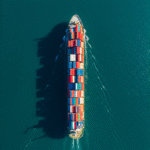


Cargo Shipping & Transport in Asia Pacific
In the dynamic landscape of global trade, efficient cargo shipping is the lifeblood of businesses. This applies to operations across Singapore and the broader Asia Pacific region. Whether you are a business owner importing raw materials, a project manager coordinating equipment for a construction site, or a logistics professional optimising supply chains, understanding international cargo shipping is critical. This knowledge is key to success. This guide will delve into the essentials of moving goods, focusing on how the right container solutions can streamline your operations, reduce costs, and ensure reliability in your cargo transport.
From the bustling ports of Singapore to the expanding markets of Southeast Asia, the demand for reliable cargo delivery services continues to grow. We will explore the various facets of containerised transport, from acquisition and modification to maintenance and repurposing, ensuring your shipping cargo arrives safely and on schedule.
Understanding the Fundamentals of Cargo Shipping
Cargo shipping encompasses the entire process of transporting goods from one point to another, often across vast distances and international borders. At its core, it’s about getting products, materials, or equipment where they need to be, when they need to be there. For many businesses in Asia Pacific, this primarily involves sea freight, leveraging the extensive network of shipping lanes and major port hubs.
There are several modes of cargo transport, each with its own advantages:
- Sea Freight: The most economical option for large volumes and heavy goods, ideal for long-haul international cargo shipping. Shipping containers are central to this mode.
- Air Freight: Fastest for urgent or high-value items, though significantly more expensive. Containers are not typically used in the same way as sea freight, but specialised air transport units exist.
- Land Freight (Road/Rail): Essential for domestic distribution and first/last mile delivery from ports or airports. Shipping containers are often transferred directly from vessels to trucks or trains for inland transport.
For businesses in Singapore, sea freight forms the backbone of import and export operations. Understanding container types and their applications is crucial for optimising your container strategy.
The Intricacies of International Cargo Shipping
Moving goods across national borders introduces a layer of complexity. International freight movements require meticulous planning, adherence to various regulations, and careful management of documentation. Businesses frequently face challenges related to customs clearance, tariffs, and differing compliance standards across countries in the Asia Pacific region.
Key considerations for international movements include:
- Documentation: Bill of Lading, commercial invoice, packing list, certificate of origin, and import/export licenses are just a few examples. Accurate documentation prevents delays and penalties.
- Customs Regulations: Each country has unique import/export duties, taxes, and prohibited items. Engaging with experienced partners who understand regional specificities is vital.
- Insurance: Protecting your shipments against loss or damage during transit is a non-negotiable aspect of international trade.
- Container Standards: Ensuring containers meet International Standards Organisation (ISO) specifications and valid CSC plating is paramount for intermodal transport and safety.
Reliable partners provide expertise in navigating these complexities, ensuring your goods move seamlessly through the international supply chain, reducing risks and optimising delivery times.
Optimising Your Cargo Delivery Services with the Right Containers
The choice of container significantly impacts the efficiency and cost-effectiveness of your cargo delivery services. Shipping containers are not just steel boxes; they are versatile assets that can be purchased, leased, or even repurposed for a multitude of applications beyond traditional transport.
Selecting the Right Container: New vs. Used
When considering containers for your operations, businesses often weigh the pros and cons of new versus used units:
- New Containers (One-Trip): These are typically used once. They transport cargo from the manufacturing origin (e.g., China) to their first destination before being sold. They offer excellent condition, longevity, and aesthetics, ideal for long-term use, modifications, or prominent site placement.
- Used Containers (Cargo Worthy): These containers have been in active service for several years but are certified fit for international transport. They are a more economical option, perfect for storage, domestic transport, or projects where appearance is less critical. Structural integrity, however, remains important.
Specialised Container Solutions for Asia Pacific Businesses
Beyond standard dry containers, a range of specialised containers supports diverse industries:
- Refrigerated Containers (Reefers): Essential for cold-chain logistics in Singapore and Southeast Asia, transporting perishable goods like food & beverage, pharmaceuticals, and floriculture. Reefers maintain precise temperature control, crucial for regional distribution.
- Open-Top Containers: Ideal for oversized items that need to be loaded from the top by crane, such as machinery for construction sites or bulky manufacturing components.
- Flat Rack Containers: Designed for extremely heavy or oversized items that won’t fit within standard container dimensions, often used for industrial equipment or vehicles.
- Tank Containers: Specialised for the safe transport of liquids, gases, and powders, catering to chemical and oil & gas industries.
Repurposing Containers for Innovative Use
The robustness and modularity of shipping containers make them excellent candidates for repurposing. In Singapore, we see containers transformed into:
- Pop-Up Retail & F&B Outlets: Quickly deployable and customisable spaces for events, markets, or temporary retail installations.
- On-Site Offices & Workshops: Providing durable and secure workspaces for construction projects, particularly in remote or temporary locations.
- Secure Storage Units: Offering weatherproof and theft-deterrent storage solutions for tools, equipment, or inventory.
- Event Spaces & Exhibition Booths: Creating unique, eye-catching structures for festivals, corporate events, or trade shows.
Essential Considerations for Efficient Shipping Cargo Operations
To ensure your shipping cargo operations run smoothly, proactive management of your container fleet is paramount. This extends beyond just acquiring the right containers to include ongoing maintenance and strategic logistics.
Container Maintenance, Repair, and Re-inspection
Regular maintenance and timely repairs are crucial for prolonging the life of your containers and ensuring they remain compliant for international transport. This includes:
- Structural Repairs: Addressing dents, holes, or frame damage that can compromise integrity.
- Door Seal Replacement: Ensuring containers remain weatherproof to protect goods.
- Flooring Repairs: Maintaining a safe and stable interior for loading and unloading.
- CSC Plating Re-inspection: For containers used in international transport, valid CSC (Container Safety Convention) plates are legally required. This periodic inspection certifies the container’s structural integrity and seaworthiness.
Partnering with facilities offering comprehensive repair and re-inspection services ensures your containers are always ready for deployment. This minimises downtime and avoids costly delays in your cargo transport schedule.
Logistics and Depot Services
Efficient management of empty containers is another vital aspect of optimising cargo delivery services. Depot services include:
- Storage: Secure holding areas for empty containers.
- Container Handling: Efficient lifting and moving of containers within the depot.
- Cleaning: Ensuring containers are clean and free from contamination for subsequent loads.
- Delivery & Collection: Timely transport of containers to and from your premises or port.
Tips for Selecting Your Container Partner
Choosing the right partner for your container needs is as important as selecting the containers themselves. Look for a company that offers:
- Comprehensive Solutions: From sales and leasing of new and used containers to custom modifications, repairs, and re-inspection.
- Regional Expertise: A deep understanding of logistics and regulations across Singapore and the Asia Pacific region.
- Quality Assurance: Commitment to providing containers that meet international safety and quality standards.
- Consultative Approach: Willingness to understand your specific operational challenges and provide tailored solutions.
- Reliable Support: Responsive service for maintenance, repairs, and logistics support.
Conclusion
Efficient cargo shipping and seamless international cargo transport are non-negotiable for businesses thriving in the competitive Asia Pacific market. Making informed decisions about your container strategy—buying, leasing, modifying, or maintaining your fleet—can significantly enhance your cargo delivery services and operational efficiency. The right container solutions are more than just equipment; they are critical assets that underpin the reliability and success of your entire supply chain.
If you’re looking to optimise your shipping operations, explore innovative container repurposing, or require expert advice on container sales, leasing, repairs, or re-inspection, our team is here to assist. Contact us today for a consultation or to discuss how MyBrand can provide tailored container solutions that meet your specific business requirements across Singapore and the Asia Pacific region.