

Navigating Singapore’s Supply Chain: Your Essential Guide to Container Trucking & Cargo Container Logistics
The Unseen Backbone of Global Trade: Why Container Logistics Matters in Singapore
Singapore’s Pivotal Role in Global Logistics and Commerce
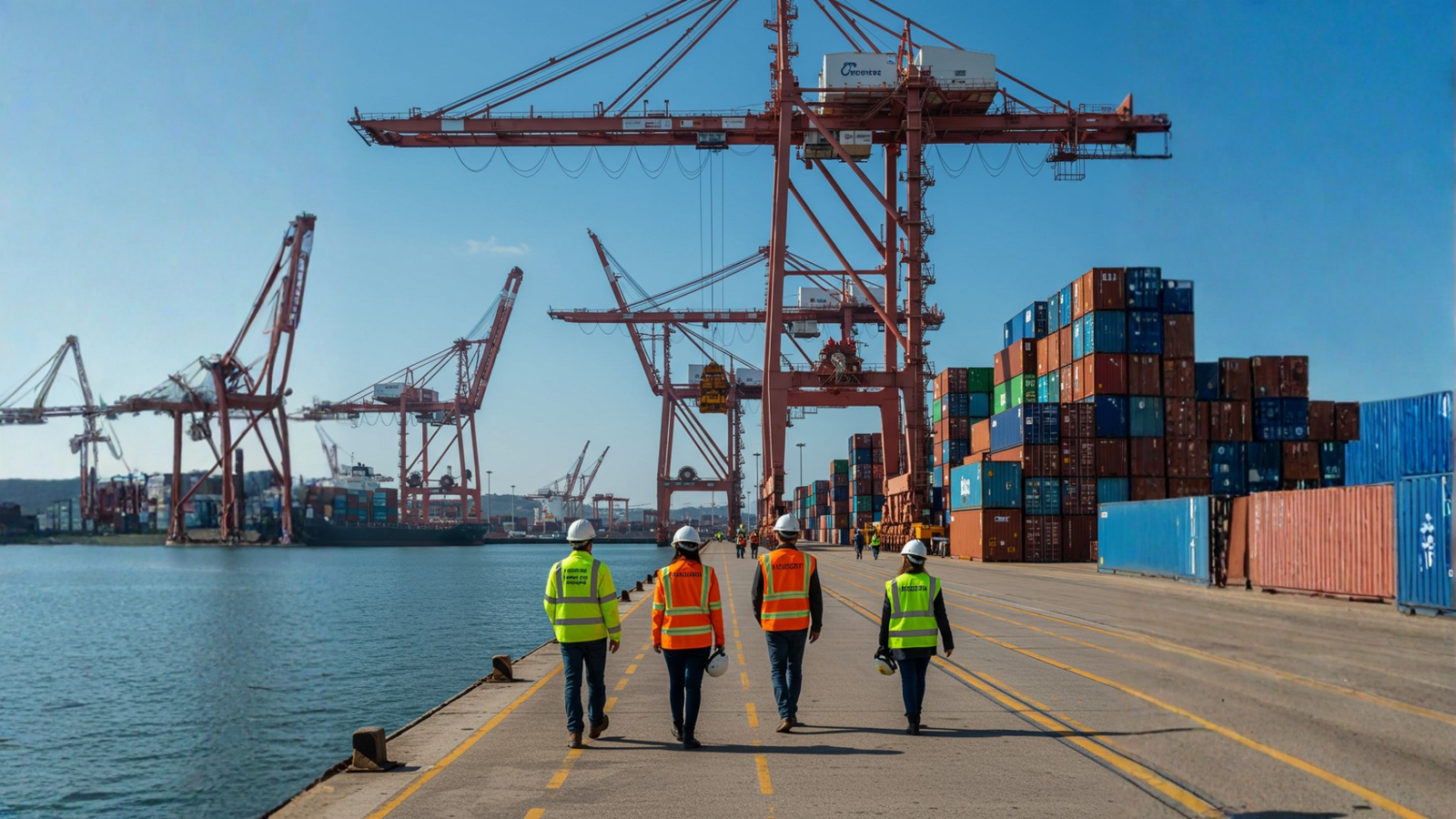
Singapore, a nation renowned for its economic dynamism and strategic geographical location, stands as a critical nexus in global trade. Its world-class port, operated by PSA, consistently ranks among the busiest and most efficient globally, underscoring the city-state’s reputation as a premier global trade hub. The seamless flow of goods through Singapore is not merely a matter of convenience; it is a fundamental pillar supporting international supply chains and fostering the nation’s economic prosperity. Businesses operating within or through this region rely heavily on its advanced infrastructure and unparalleled connectivity.
The Indispensable Components: Container Trucks and Cargo Containers
At the heart of modern freight logistics lie two indispensable components: the standardised cargo container and the specialised container truck. These elements work in symbiotic relationship to facilitate the seamless movement of goods across land and sea. Cargo containers provide the robust, uniform units for packaging and protecting goods, while container trucks provide the essential land-based transport, connecting ports to warehouses, factories, and distribution centres. Understanding their combined role is crucial for optimising any supply chain.
Understanding the Fundamentals: Cargo Containers & Their Versatility
What are Cargo Containers? Definition, ISO Standards, and Global Impact
Cargo containers are robust, standardised reusable intermodal transport units designed to carry goods by rail, road, or sea. Their global adoption was catalysed by the International Organization for Standardization (ISO), which established universal dimensions and specifications. These ISO standards ensure global compatibility, allowing containers to be seamlessly transferred between different modes of transport anywhere in the world. This standardisation revolutionised global trade, drastically improving efficiency, reducing shipping costs, and enabling the rapid expansion of international commerce.
Key Types of Cargo Containers and Their Applications
- Dry Van Containers: These are the most common type, fully enclosed and suitable for general, non-perishable cargo that does not require temperature control.
- Reefer Containers: Equipped with refrigeration units, these temperature-controlled containers are vital for transporting perishable goods such as food, pharmaceuticals, and other sensitive items.
- Open-Top Containers: Featuring a removable tarpaulin roof instead of a solid one, these are ideal for oversized cargo that needs to be loaded from the top, such as machinery or bulky materials.
- Flat Rack Containers: Lacking side walls and sometimes even end walls, flat rack containers are designed for heavy, bulky, or irregular-shaped cargo that requires loading from the side or top, like vehicles or large industrial components.
- Other Specialized Containers: This category includes tank containers for liquids, ventilated containers for goods requiring airflow, and car carriers, each serving niche logistics requirements.
Standard Dimensions and Capacities: Optimizing Your Freight
Understanding common container dimensions and capacities is fundamental for efficient cargo planning and cost management. The most prevalent sizes include the 20-foot and 40-foot containers, with the 40-foot High Cube offering additional vertical space. Each size has specific volumetric and weight capacities that dictate how much cargo can be safely and legally transported. Accurate knowledge of these specifications allows businesses to maximise container utilisation, thereby optimising freight costs and minimising unnecessary shipments.
Strategic Selection: Choosing the Right Container for Your Cargo
The strategic selection of the appropriate cargo container is a critical decision that can significantly impact the safety, integrity, and cost-efficiency of your shipment. Decision-makers must consider various factors, including the type of cargo, its total weight, precise dimensions, any specific temperature requirements, and the final destination. Engaging with expert logistics providers can offer invaluable advice, helping to prevent costly mistakes and ensuring your goods are transported under optimal conditions from origin to destination.
Powering the Movement: The Role of Container Trucks in Modern Logistics
Defining the Container Truck: Components and Functionality
A container truck, often referred to as a prime mover, is a powerful heavy-duty vehicle specifically designed to transport cargo containers over land. Its primary components include the prime mover itself – the tractor unit containing the engine and cab – and the chassis, which is a specialised skeletal trailer built to securely hold and carry various cargo containers. The fundamental function of a container truck is to provide the vital link that moves containers between ports, railheads, warehouses, and final delivery points, completing the intermodal journey.
Types of Shipping Container Trucks and Their Specialized Uses
- Prime Movers: These are the powerful tractor units that attach to different types of chassis. Their robust engines and durable construction are essential for long-haul and heavy-duty towing.
- Chassis Types: Skeletal chassis are designed specifically for standard cargo containers, ensuring secure transport. Flatbed chassis, on the other hand, offer greater versatility, capable of carrying not just containers but also a wide array of other oversized or irregularly shaped loads.
- Heavy Haulage Trucks: For exceptionally large, heavy, or oversized cargo, specialised heavy haulage Singapore trucks are deployed. These vehicles are engineered with enhanced power and structural integrity to manage extreme loads, often requiring specific permits and careful route planning.
The Critical Intermodal Link: Connecting Ports, Warehouses, and Distribution Centers
Container trucks serve as the indispensable backbone of intermodal transport in Singapore and globally. They are the critical link that seamlessly connects sea freight, arriving at bustling ports, with land-based logistics infrastructure such as warehouses, manufacturing plants, and distribution centres. This efficient transition allows for door-to-door delivery, where goods can be transported from their origin to their final destination using a combination of transport modes without being handled individually at each transfer point. The reliability and efficiency of container trucks are paramount to maintaining the integrity and speed of the entire supply chain.
Container Trucking in Singapore: A Strategic Advantage for Your Business
Singapore’s Unique Position as a Global Logistics Hub
Container trucking in Singapore offers a distinct strategic advantage to businesses operating within the region. The nation’s advanced infrastructure, including its world-class port facilities, extensive road networks, and sophisticated logistics ecosystem, ensures exceptionally efficient cargo movement. Singapore’s strategic location at the crossroads of major shipping lanes further enhances its role as a global logistics hub, providing unparalleled connectivity and streamlined operations for international and regional trade.
Navigating the Local Landscape: Regulations and Operational Excellence
Operating a container truck in Singapore requires a nuanced understanding of the local landscape. This includes navigating the nation’s stringent urban delivery challenges, specific port operations, and comprehensive local traffic regulations. Success in this environment hinges on local expertise, which ensures not only smooth and timely operations but also strict compliance with all regulatory requirements. Partnering with a provider deeply familiar with Singapore’s unique operational nuances is paramount for avoiding delays and ensuring efficiency.
Comprehensive Container Transport Services in Singapore
- Local Point-to-Point Haulage: Efficient and reliable movement of cargo containers within Singapore, connecting various industrial estates, warehouses, and distribution points.
- Cross-Border Container Transport: Seamless haulage Singapore to and from Malaysia, leveraging the robust regional connectivity for businesses engaged in cross-border trade.
- Specialized and Heavy Haulage Services: Dedicated solutions for handling challenging, oversized, or heavy cargo, utilising specialised equipment and experienced personnel.
- Integrated Multimodal Connectivity: Comprehensive solutions that link sea, air, and land freight container transport Singapore, providing holistic logistics strategies for complex supply chains.
The Tangible Benefits of Expert Container Trucking
- Timeliness and Reliability: Expert providers ensure goods arrive on schedule, minimising disruptions and supporting just-in-time inventory strategies.
- Cost-Efficiency: Optimised routes, reduced delays, and competitive pricing models contribute to significant cost savings in the long run.
- Reduced Risk: Enhanced security protocols, proper cargo handling techniques, and strict adherence to safety standards minimise the risk of damage, loss, or accidents.
- Compliance and Documentation: Navigating complex customs and regulatory requirements is simplified with expert assistance, ensuring all shipments are compliant and properly documented.
Choosing Your Singapore Container Trucking Partner: Key Criteria for Success
Fleet Capabilities and Modern Equipment
When selecting a container trucking partner in Singapore, assess the diversity and condition of their fleet. A reputable provider should operate a modern, well-maintained fleet of container trucks capable of handling various load types, from standard dry containers to specialised heavy haulage Singapore requirements. Regular maintenance standards are crucial for ensuring reliability, safety, and minimising downtime.
Technological Integration: Tracking and Transparency
In today’s fast-paced logistics environment, technological integration is non-negotiable. Look for partners offering real-time GPS tracking capabilities, allowing you to monitor your cargo’s location and estimated arrival times. Efficient digital communication systems for updates, documentation, and problem resolution, along with the use of data analytics for route optimisation and performance improvement, signify a forward-thinking and reliable provider.
Unwavering Commitment to Safety and Compliance
Safety and compliance are paramount. Your chosen partner must demonstrate strict adherence to local and international safety standards for both drivers and cargo. This includes comprehensive regulatory compliance with Singapore’s transport laws, permits, and licensing requirements. Furthermore, ensure they carry robust insurance coverage for cargo and operations, providing peace of mind against unforeseen circumstances.
Experienced Personnel and Robust Operational Processes
The expertise of the personnel is as important as the equipment. Seek providers with certified, experienced drivers who are intimately familiar with Singapore’s roads, port operations, and regulatory landscape. Knowledgeable logistics staff capable of planning, coordinating, and troubleshooting complex logistics challenges are also vital. Efficient processes for booking, dispatch, and delivery underscore a commitment to operational excellence.
Customer Service Excellence and Responsiveness
Exceptional customer service and responsiveness are hallmarks of a reliable logistics partner. Look for dedicated account management, providing a single point of contact for clear and consistent communication. Availability for urgent queries or unforeseen issues, ideally with 24/7 support, and demonstrated problem-solving capabilities are crucial for maintaining smooth operations in a dynamic environment.
Value-Added Logistics Services
Beyond basic transport, some partners offer value-added logistics services that can further streamline your supply chain. These may include flexible warehousing and storage options, customs clearance assistance to navigate import/export documentation, and expert consultation and planning to optimise your overall supply chain strategies. Such integrated services can provide a significant competitive edge.
Frequently Asked Questions: Your Guide to Container Trucking & Cargo Logistics in Singapore
What is the typical transit time for container trucking in Singapore?
For local point-to-point haulage within Singapore, transit times are typically same-day or next-day, depending on the distance, specific port operations, and prevailing traffic conditions. Cross-border container transport to or from Malaysia will naturally involve longer transit times due to border crossings and greater distances.
How do I determine the right container size for my goods?
Determining the right container size depends on several factors: the volume and weight of your goods, their physical dimensions, the type of goods (e.g., requiring refrigeration), and any specific handling requirements. Consulting with a logistics expert is highly recommended to ensure optimal selection and avoid unnecessary costs or potential issues.
What are the key regulations for container transport in Singapore?
Key regulations for container transport in Singapore include adherence to Land Transport Authority (LTA) regulations, mandatory port passes for access to port areas, strict safety standards for vehicles and cargo, and compliance with legal weight limits to prevent overloading and ensure road safety.
Can container trucking services handle oversized or heavy cargo?
Yes, specialised container trucking services are equipped to handle oversized or heavy cargo. This typically involves the use of dedicated heavy haulage Singapore trucks and equipment, often requiring specific permits and detailed route planning to comply with regulations and ensure safe transport.
What technologies are used to ensure cargo security and tracking?
To ensure cargo security and tracking, modern container trucking services utilise a suite of technologies including real-time GPS tracking systems, IoT (Internet of Things) sensors for monitoring conditions like temperature or humidity, secure sealing mechanisms, and advanced real-time communication platforms for instant updates and alerts.
Conclusion: Streamline Your Supply Chain with Singapore’s Leading Container Logistics Experts
Recap: The Imperative of Integrated Container Logistics
In the intricate tapestry of global trade, efficient container trucking and meticulous cargo container management are not merely logistical tasks; they are critical drivers of competitive advantage, particularly within Singapore’s dynamic supply chain. Businesses that master these elements can significantly enhance operational efficiency, reduce costs, and ensure reliability in their supply chain operations.
Partnering for Peak Performance in Singapore
Collaborating with a specialised and reputable partner for container trucking Singapore services is an investment in your business’s future. Such a partnership brings invaluable expertise, unwavering reliability, and integrated logistics solutions Singapore that extend beyond mere transport. It ensures your goods move with precision, compliance, and optimal efficiency, allowing you to focus on your core business objectives.
Take the Next Step: Request a Tailored Logistics Solution
To truly streamline your supply chain and unlock its full potential, consider engaging with experts who understand the nuances of container transport services Singapore. We invite you to contact us today for a personalised consultation or to request a competitive quote. Let us craft a tailored logistics solution that aligns perfectly with your specific needs and helps drive your business forward.