

Ocean Cargo Solutions in Asia Pacific: A Complete Guide
In the dynamic landscape of global commerce, efficient logistics are not just an advantage—they are a necessity. For businesses operating in Singapore and across the wider Asia Pacific region, understanding the intricacies of ocean cargo is paramount. It is the most cost-effective and environmentally friendly method for moving large volumes of goods across continents. It forms the bedrock of supply chains worldwide. From raw materials to finished products, reliable ocean cargo shipping ensures goods reach their destinations on time and within budget. This fuels economic growth and connects markets.
This guide demystifies international ocean cargo services. It helps project managers, procurement teams, and logistics professionals optimise their freight movements. We will explore its vital role and the different options available. Crucially, we will also show how selecting the right container solutions impacts your operational success. We understand the challenges you face, and our aim is to provide clear, actionable insights.
What is Ocean Cargo and Why is it Critical for Businesses?
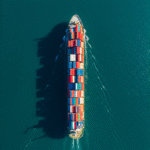
Ocean cargo, often referred to as sea freight or sea cargo, encompasses the transportation of goods via ocean vessels. It is the preferred method for the vast majority of international trade due to its unparalleled capacity and economies of scale. Imagine Singapore’s bustling port, one of the world’s busiest transhipment hubs. Colossal container ships dock daily, unloading and loading thousands of containers. These are filled with everything from electronics to apparel, machinery, and foodstuffs.
For businesses, the benefits are clear:
- Cost-Effectiveness: Shipping by sea is significantly cheaper than air freight, especially for heavy or bulky items, making it ideal for large-volume international trade.
- High Capacity: Cargo ships can transport enormous quantities of goods, allowing businesses to move large inventories efficiently.
- Environmental Impact: Per tonne-kilometre, sea freight generally has a lower carbon footprint compared to air or road transport.
- Global Reach: Ocean shipping lanes connect virtually every major port in the world, providing comprehensive access to international markets.
In the Asia Pacific, where manufacturing hubs like China and Vietnam meet consumer markets and resource-rich nations, robust ocean cargo services are the lifeblood of regional and global supply chains. From delivering components to a factory in Malaysia to shipping finished goods to Europe, sea freight facilitates seamless trade.
Navigating International Ocean Cargo Services: Your Options
When planning your international ocean cargo movements, understanding the service options is key to optimising costs and delivery times. Here are the primary considerations:
Full Container Load (FCL) vs. Less than Container Load (LCL)
- Full Container Load (FCL): This means your goods occupy an entire shipping container, typically 20-foot or 40-foot, regardless of whether it’s filled to capacity. FCL is generally faster and more cost-effective per unit for larger shipments. There is no need for consolidation or deconsolidation with other cargo, which also minimises handling and reduces the risk of damage.
- Less than Container Load (LCL): If your shipment isn’t large enough to fill an entire container, LCL allows you to share container space with other shippers’ goods. While more economical for smaller volumes, LCL can involve more handling. This may result in longer transit times, given the consolidation and deconsolidation process at origin and destination ports.
Specialised Cargo Solutions
Beyond standard dry goods, ocean cargo services cater to a wide array of specialised requirements:
- Refrigerated Cargo (Reefers): Essential for perishable goods like fresh produce from Australia or frozen seafood from Southeast Asia, reefer containers maintain precise temperature control throughout the journey.
- Open-Top and Flat Rack Containers: For oversized or irregularly shaped cargo, such as heavy machinery for construction sites in Indonesia or large industrial components.
- Hazardous Materials (HAZMAT): Strict regulations govern the transport of dangerous goods, requiring specialised handling, documentation, and specific container types to ensure safety.
Working with experienced freight forwarders and container providers is crucial. This ensures your cargo is handled appropriately, adhering to all international shipping regulations.
The Essential Role of Shipping Containers in Ocean Cargo Shipping
At the heart of efficient ocean cargo shipping are the humble yet indispensable shipping containers. These robust steel boxes revolutionised global trade. They standardised cargo transport and enabled intermodal movement – seamless transfers between ships, trains, and trucks. For any business involved in freight, understanding container types and their applications is fundamental.
Common Container Types and Their Uses:
- General Purpose (GP) Containers: The most common type, available in 20-foot (6.1 metres) and 40-foot (12.2 metres) lengths. They are used for a vast range of dry goods, from electronics manufactured in Singapore to textiles from Vietnam.
- High Cube (HC) Containers: These are similar to GP containers but are taller (2.9 metres instead of 2.6 metres). They offer extra volumetric capacity, perfect for lighter, bulkier cargo or when maximising space is critical.
- Refrigerated (Reefer) Containers: As mentioned, these are vital for maintaining temperature-sensitive cargo. This includes pharmaceuticals, fresh fruits, vegetables, and frozen meats, which are crucial for Asia Pacific’s booming food and beverage industry.
- Open Top Containers: Designed with a removable tarpaulin roof instead of a solid one, allowing for oversized cargo to be loaded from the top using cranes. Ideal for machinery or bulky items that cannot fit through standard container doors.
- Flat Rack Containers: These have end walls but no side walls or roof. This makes them suitable for extremely heavy, wide, or oversized cargo. Such cargo needs to be secured from above and the sides, for instance, large industrial equipment.
Ensuring your cargo is secured in a reliable, well-maintained container is paramount. The quality and condition of a container directly impact your goods’ safety and integrity during transit. This applies whether you purchase new or used units, or lease them for short-term or long-term projects. Regular re-inspection and repairs are critical for containers in active service.
Beyond Shipping: Repurposing Containers for Business Needs in Asia Pacific
While shipping containers are synonymous with sea cargo, their versatility extends far beyond their initial life on the ocean. In Singapore and across the Asia Pacific, businesses are increasingly repurposing these robust structures. This provides innovative, practical solutions, offering flexibility and cost-efficiency.
Here are just a few real-world applications:
- Construction Site Offices & Storage: Converted containers serve as durable, weather-resistant site offices, meeting rooms, or secure storage for tools and materials. This is seen on major infrastructure projects in Malaysia or new BTO (Build-To-Order) developments in Singapore.
- Pop-Up Retail & F&B Kiosks: At events like Artbox Singapore or a temporary market in Bangkok, modified containers quickly transform. They become trendy retail shops, cafes, or food stalls, offering unique branding opportunities and rapid deployment.
- Temporary Accommodation: For remote mining sites in Western Australia or disaster relief efforts in the Philippines, containers can be converted into comfortable and secure living quarters.
- Workshop and Utility Spaces: Industrial businesses might convert containers into mobile workshops, generator enclosures, or equipment shelters, providing robust protection in various environments.
- Event Booths and Experiential Spaces: For product launches or festivals across the region, customised containers offer distinctive and functional spaces. These can be easily transported and set up.
Containers can be modified with insulation, air-conditioning, windows, doors, and custom interiors. This adaptability reduces construction time and costs compared to traditional structures.
Choosing the Right Container Solution for Your Ocean Cargo Needs
Selecting the optimal container solution is a strategic decision that impacts your logistics efficiency and budget. Here’s a guide to help you make an informed choice:
Key Considerations for Container Acquisition or Leasing:
- Purpose of Use:
- Shipping: For active ocean cargo, you’ll need certified, seaworthy containers (e.g., CSC plated).
- Storage: For static storage, the container does not need a valid CSC plate, but structural integrity is vital.
- Modification/Repurposing: Focus on overall structural soundness and dimensions that suit your design.
- New vs. Used Containers:
- New (One-Trip) Containers: Offer pristine condition, maximum lifespan, and often ideal for modifications where aesthetics matter. Higher upfront cost.
- Used Containers: More economical, suitable for storage or less aesthetic modifications. Condition varies (e.g., Cargo Worthy, Wind & Watertight). Always inspect thoroughly.
- Buying vs. Leasing:
- Buying: Ideal for long-term needs, permanent installations, or extensive modifications. Provides ownership and asset value.
- Leasing: Flexible for short-term projects, seasonal demand, or when capital expenditure is a concern. Eliminates maintenance worries (often covered by lessor).
- Size and Type: Match the container size (20-foot, 40-foot) and type (GP, HC, Reefer, Open Top, Flat Rack) to your cargo dimensions and specific requirements.
- Delivery and Placement: Consider logistics for container delivery to your site, ensuring proper access and ground conditions.
- Maintenance, Repairs, and Re-inspection: For containers used in active ocean cargo or long-term storage, ensure regular checks and necessary repairs. This maintains their structural integrity and safety. This is especially crucial for re-validating CSC plates for international shipping.
A reliable container supplier should offer comprehensive support, from sales and leasing to repairs, re-inspection, and even custom modifications to meet your specific operational demands.
Frequently Asked Questions About Ocean Cargo and Containers
What is a CSC plate, and why is it important for ocean cargo?
A CSC (Container Safety Convention) plate is a metal plate affixed to a shipping container. It certifies that the container meets international safety standards for structural integrity and operational safety. For any container used in international ocean cargo shipping, a valid and up-to-date CSC plate is mandatory. Regular re-inspection and certification are required to keep it valid.
How do I ensure my cargo is safe during sea transit?
Beyond using a certified container, proper cargo lashing and dunnage (materials used to protect and secure cargo) are crucial. This prevents movement and damage during the ship’s journey, especially in rough seas. Always consult with your logistics partner or container provider on best practices for cargo securing.
Can I lease a container for just a few months?
Yes, container leasing offers significant flexibility, with options for short-term (e.g., 3-6 months) and long-term (e.g., 1-5 years) agreements. This is often an excellent solution for project-based needs, seasonal fluctuations in demand, or for businesses looking to preserve capital.
What kind of modifications are possible for containers?
The possibilities are extensive! Common modifications include installing doors (rolling, swing, glass), windows, insulation, air conditioning, electrical wiring, custom flooring, and shelving. Plumbing for restrooms or kitchens is also possible. Containers can be painted, branded, and stacked to create multi-level structures, limited only by your imagination and engineering feasibility.
Partnering for Seamless Ocean Cargo and Container Solutions
The world of ocean cargo is complex, but with the right partners, it can be a streamlined and efficient process. Having a reliable provider for container sales, leasing, repairs, re-inspection, and repurposing is essential for businesses in Singapore and the wider Asia Pacific region. This ensures your goods travel safely across the seas and transforms containers into valuable assets on land.
We are here to help you. This includes planning your next international ocean cargo shipment, providing robust storage solutions, or assisting with unique container conversions for your business. Contact us today for a personalised consultation, a detailed quote, or to arrange a site visit. Let our expertise in container solutions support your business objectives.