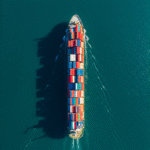


Overseas Shipping: Container Logistics in Asia Pacific
For businesses in Singapore and across the wider Asia Pacific region, understanding the complexities of international shipping is paramount to successful international trade and project execution. Whether you import goods, move equipment, or coordinate large-scale shipments, mastering international container logistics is key. This comprehensive guide will walk you through essential considerations for efficient overseas delivery, helping you make informed decisions when partnering with an overseas shipping company.
The global marketplace demands seamless connectivity, and reliable international shipping overseas solutions form the backbone of this connectivity. From sourcing materials to delivering finished products, the journey often involves significant planning around container types, regulations, and strategic partnerships. Let’s delve into how to optimise your strategy for shipping from overseas and within the region.
Understanding the Basics of Overseas Shipping Containers
At the heart of global trade are shipping containers. These robust, standardised units ensure cargo safety and efficiency across various modes of transport. For any successful overseas delivery, selecting the appropriate container is the first critical step.
Types of Containers for Overseas Delivery
- Standard Dry Containers: The most common type, available in 20-foot and 40-foot lengths (6.1m and 12.2m respectively). Ideal for general cargo, these are the workhorses of international shipping overseas.
- Refrigerated Containers (Reefers): Essential for temperature-sensitive goods like pharmaceuticals, fresh produce, and seafood. In tropical climates like Singapore and Southeast Asia, reefers are vital for maintaining cold chain integrity during transit and storage.
- Open-Top Containers: Designed for oversized cargo that cannot be loaded through the door, such as machinery or large construction materials, common in infrastructure projects across the region.
- Flat Rack Containers: Used for heavy or irregularly shaped cargo, offering sturdy bases without fixed sides, perfect for large equipment in mining or energy sectors.
- Tank Containers (Tanktainers): Specialised for transporting liquids, gases, and powders, ensuring safe containment during shipping from overseas.
New vs. Used Containers for International Shipping
Businesses often face a choice between purchasing new or used containers. Both options offer distinct advantages:
- New Containers: Offer pristine condition, maximum lifespan, and often come with certifications valid for extended periods, ideal for long-term international shipping requirements or high-value cargo. They are also suitable for container repurposing projects where aesthetics matter.
- Used Containers: A cost-effective solution, especially for storage, one-way international trips, or projects with budget constraints. “Cargo-Worthy” (CW) containers are inspected and certified for safe transport, while “Wind and Water Tight” (WWT) containers are suitable for static storage. Many businesses in the Asia Pacific lease or buy used containers for temporary site offices, workshops, or storage at construction sites.
Choosing the Right Overseas Shipping Company: Key Considerations
Selecting a reliable shipping partner is crucial for ensuring your cargo reaches its destination safely and on time. Beyond just transport, the right partner can offer comprehensive solutions that streamline your entire logistics chain.
Reliability and Experience in Asia Pacific Logistics
Look for a company with a proven track record, especially within the Asia Pacific region. Deep understanding of local customs, port operations, and regulatory frameworks in countries like Indonesia, Malaysia, Thailand, and Vietnam can prevent costly delays and ensure smooth transit. An experienced partner will provide transparent communication and proactive problem-solving.
Services Offered Beyond Just Transport
A truly valuable overseas shipping company often provides more than just container transport. Consider partners who offer:
- Container Sales and Leasing: The flexibility to buy or lease new and used containers for various durations, whether for a single shipment or long-term storage and project use.
- Container Modifications: Customising containers for specific purposes, such as converting them into offices for construction sites, pop-up retail units for events in Singapore’s city centre, or specialised workshops.
- Container Repairs and Re-inspection: Ensuring containers meet international safety standards (e.g., CSC plate validity) for continued international transport, crucial for businesses managing their own container fleet.
- Depot Services: Storage, handling, and maintenance of containers.
Compliance and Regulations for Overseas Delivery
International shipping is governed by a complex web of regulations, including customs declarations, trade agreements, and port-specific rules. A reputable overseas shipping company will guide you through these requirements, ensuring your shipments comply with all necessary standards and certifications, particularly for specialised cargo or sensitive routes.
Streamlining Your International Shipping Overseas Process
Efficient international shipping overseas requires meticulous planning and execution. Here’s a streamlined approach:
- Plan Ahead and Gather Documentation:
- Determine your cargo type, volume, and required container specifications.
- Prepare all necessary documentation: Bill of Lading, commercial invoice, packing list, customs declarations, permits, and certificates (e.g., phytosanitary for agricultural products).
- Factor in transit times, potential customs clearance delays, and peak seasons.
- Select the Right Container and Carrier:
- Based on your cargo, choose between 20-foot or 40-foot dry containers, reefers, open-tops, or other specialised units.
- Engage an overseas shipping company known for reliability on your specific trade lanes.
- Efficient Cargo Loading and Preparation:
- Ensure proper cargo securement (lashing, bracing) inside the container to prevent damage during transit.
- Comply with weight restrictions and distribution guidelines to avoid surcharges and safety hazards.
- Consider cargo insurance for added protection against unforeseen events.
- Track and Monitor Your Shipment:
- Utilise tracking services provided by your overseas shipping company to monitor your cargo’s journey in real-time.
- Stay informed about any potential delays or changes in schedule.
- Customs Clearance and Delivery:
- Work closely with your freight forwarder or shipping company to expedite customs clearance at the destination port.
- Arrange for timely drayage (trucking from port to final destination) to avoid demurrage or detention charges.
Real-World Applications: Overseas Shipping Containers in Action
The versatility of shipping containers extends far beyond simply moving goods. In the Asia Pacific, they serve diverse practical purposes that support various industries, often linked to shipping from overseas.
Supporting Singapore’s Construction & Infrastructure Projects
In Singapore’s bustling construction sector, containers are frequently repurposed as temporary site offices, storage units for tools and materials, or even mobile workshops. They arrive via sea freight carrying equipment or are acquired locally to support ongoing projects like MRT line expansions or new building developments.
Facilitating Pop-Up Retail and Events Across ASEAN
Creative entrepreneurs and event organisers leverage modified containers as innovative pop-up shops, cafes, or exhibition booths. These portable structures can be easily transported for regional events, offering flexible and visually appealing solutions for retail or F&B ventures across ASEAN countries, often requiring specialised overseas delivery.
Ensuring Cold Chain Integrity for Regional Food & Pharma
For industries dealing with perishables or sensitive medical supplies, reliable reefer containers are indispensable. They facilitate the secure transport of seafood from Vietnam to Singapore, pharmaceuticals from Europe to regional distribution hubs, or fresh produce within Southeast Asia, ensuring products maintain their quality through controlled-temperature international shipping overseas.
Repurposing Containers for Remote Offices or Storage
Beyond traditional use, containers are transformed into functional spaces. Remote project sites in Malaysia’s oil palm plantations or Indonesia’s mining regions often rely on containerised offices or living quarters, which might have been delivered via shipping from overseas and then customised locally.
Frequently Asked Questions About Overseas Shipping
How long does overseas shipping usually take from Singapore?
Transit times vary significantly based on the destination, shipping method (sea vs. air), and port congestion. For sea freight from Singapore, journeys to neighbouring Southeast Asian countries might take a few days to a week, while routes to Europe or North America can range from 3-6 weeks or more.
What are the common challenges when shipping from overseas?
Common challenges include customs delays, port congestion, documentation errors, unexpected surcharges (e.g., demurrage, detention), cargo damage, and navigating complex international regulations. Partnering with an experienced overseas shipping company helps mitigate these risks.
Can I lease containers for international shipping?
Yes, leasing containers is a flexible option for international shipping, especially for businesses that don’t need a permanent fleet or for one-off projects. Many providers offer short-term and long-term lease agreements for various container types.
What’s the difference between FCL and LCL shipping?
FCL (Full Container Load) means your cargo occupies the entire container, regardless of whether it fills it completely. This is generally faster and less prone to handling damage. LCL (Less than Container Load) means your cargo shares container space with other shippers’ goods, offering a more cost-effective solution for smaller shipments but potentially longer transit times due to consolidation and deconsolidation processes.
Conclusion
Mastering international container logistics is a critical component of international commerce and project success in the Asia Pacific. By understanding the types of containers available, strategically selecting an experienced overseas shipping company, and meticulously planning each stage of the process, businesses can achieve efficient and reliable international shipping overseas.
Whether you’re looking to buy, lease, or repurpose shipping containers for your next project, or require expert advice on container logistics for overseas delivery or shipping from overseas, a knowledgeable partner is indispensable. We invite you to connect with our team of experts. Contact us today for a personalised consultation, site visit, or a no-obligation quote to discuss how our container solutions can support your specific needs across Singapore and the broader Asia Pacific region.