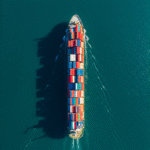


Sea Freight & Ocean Cargo: Your Asia Pacific Guide
For businesses operating in Singapore and across the dynamic Asia Pacific region, navigating the complexities of logistics is key to success. When moving goods efficiently and cost-effectively across vast distances, sea freight is the undisputed backbone of global trade. Understanding ocean freight nuances is crucial for business owners, project managers, and procurement teams alike. This guide details international sea freight essentials, the versatile role of shipping containers, and optimising ocean cargo operations.
What is Sea Freight? Understanding Ocean Cargo Essentials
Sea freight, often referred to as ocean freight, is the method of transporting goods via cargo ships. It is the most common and economical way to move large product volumes across international borders, especially for intercontinental shipments. It carries immense loads at a significantly lower cost per unit than air freight. This makes it ideal for non-time-sensitive cargo.
The Backbone of International Trade
From electronics assembled in Southeast Asia to agricultural produce from Australia, nearly 90% of global trade relies on ocean cargo. This method is vital for maintaining supply chains, fostering economic growth, and connecting markets worldwide. In the Asia Pacific, manufacturing hubs and consumer markets are vast and interconnected. Robust sea freight shipping networks are therefore indispensable.
Key Components: FCL vs. LCL
When considering sea freight, you’ll encounter two primary service types:
- Full Container Load (FCL): This means your goods occupy an entire shipping container. FCL is generally more cost-effective for larger shipments. It offers enhanced security, as the container remains sealed from origin to destination. Transit times are typically faster, with no intermediate stops for consolidation or deconsolidation.
- Less than Container Load (LCL): If your shipment isn’t large enough to fill an entire container, LCL allows you to share space with other shippers’ cargo. While more economical for smaller volumes, LCL can involve longer transit times. This is due to the consolidation process at the port of origin and deconsolidation at the destination.
The Role of Shipping Containers
At the heart of every sea freight operation is the shipping container. These standardised, robust steel boxes revolutionised global trade. They enable efficient intermodal transport, meaning cargo transfers seamlessly between ships, trains, and lorries without reloading. Commonly available in 20-foot (6.1-metre) and 40-foot (12.2-metre) lengths, they come in various types:
- Standard Dry Van: For general cargo.
- Reefer Containers: For temperature-sensitive goods like food or pharmaceuticals, essential for cold-chain logistics across Southeast Asia.
- Open Top Containers: For oversized cargo that needs to be loaded from the top.
- Flat Rack Containers: For heavy, bulky, or irregular-shaped items.
Navigating International Sea Freight in Asia Pacific
The Asia Pacific region presents a unique landscape for international sea freight. It is characterised by bustling ports, complex regulations, and vast geographical distances. Understanding how to navigate this environment is key to seamless logistics.
Common Routes and Hubs
Major port cities like Singapore, Shanghai, Hong Kong, Busan, Port Klang, and Jakarta serve as critical hubs for ocean cargo. These ports are not just points of entry and exit. They are also vital transhipment points where goods transfer between feeder vessels and larger ocean-going ships. Routes connect these hubs to each other and to markets worldwide, forming intricate networks that facilitate trade.
Regulations and Compliance
Operating in international waters and across diverse nations requires strict adherence to a myriad of regulations. This includes international maritime laws set by organisations like the International Maritime Organization (IMO). It also covers local customs duties, import/export restrictions, and safety standards of each country. For example, specific documentation is required for goods entering Singapore. This covers everything from product classification to phytosanitary certificates for agricultural items.
Managing Logistics: Documentation and Tracking
Successful sea freight shipping relies on meticulous documentation. Key documents include the Bill of Lading (the contract between shipper and carrier), commercial invoice, packing list, customs declarations, and certificates of origin. Modern logistics increasingly leverages digital tracking systems. These offer real-time visibility of your ocean cargo as it traverses the seas, providing peace of mind for project managers and procurement teams.
Beyond Shipping: Versatile Uses for Sea Freight Containers
While their primary purpose is international trade, shipping containers have a life beyond their initial voyages. Their robust construction, standardised size, and inherent portability make them incredibly versatile assets. This benefits businesses in Singapore and across Asia Pacific.
On-Site Storage Solutions
Containers offer an immediate and cost-effective solution for various needs. This includes construction sites in Jurong, event organisers setting up temporary facilities in Sentosa, or businesses needing secure, weather-resistant storage. They protect tools, equipment, and materials from theft and the elements. This provides valuable extra space right where it is needed.
Repurposing for Business
The repurposing of shipping containers has become a trendsetting solution for various commercial ventures:
- Pop-up Retail: Quick-to-deploy and customisable units ideal for events, seasonal sales, or market launches in urban centres like Orchard Road.
- Temporary Offices: Providing comfortable, secure, and mobile office spaces for construction sites, remote projects, or business expansions.
- F&B Outlets: Trendy and functional cafes or food stalls can be set up rapidly, offering unique customer experiences in vibrant areas.
- Workshops & Studios: Durable and secure spaces for artisans, small-scale manufacturing, or creative industries.
Specialised Containers
Beyond standard dry containers, specialised units cater to unique needs:
- Reefer Containers for Cold Chain: Reefer containers are indispensable for transporting perishable goods within the region. They also serve for temporary cold storage at distribution centres, ensuring produce, pharmaceuticals, and seafood maintain optimal temperatures.
- Open Top Containers for Bulk: Ideal for construction materials or machinery that require top loading.
Choosing the Right Container Solution: New, Used, or Lease?
Whether you’re embarking on a major construction project or planning to launch a pop-up business, selecting the right container solution is critical. MyBrand offers flexible options to meet your specific requirements.
New Containers: Reliability and Customisation
Buying new shipping containers guarantees pristine condition, maximum lifespan, and full customisation potential. This is ideal for long-term projects, modifications into permanent structures, or applications where aesthetics and longevity are paramount.
Used Containers: Cost-Effectiveness and Durability
For budget-conscious projects or applications where minor wear and tear are acceptable, used containers offer an excellent value proposition. They are thoroughly inspected to ensure structural integrity. Used containers can be a highly durable and cost-effective option for storage or simpler repurposing projects.
Leasing: Flexibility for Project-Based Needs
Leasing provides unparalleled flexibility, especially for short-term projects, seasonal demand, or when capital expenditure needs to be minimised. You get access to the containers you need, for the duration you need them, without the commitment of purchase. This is perfect for events, temporary site offices, or managing fluctuating storage requirements.
Container Maintenance and Re-inspection
Regardless of whether you buy or lease, proper maintenance and periodic re-inspection are vital. This ensures the container remains safe, structurally sound, and compliant with international shipping standards (like CSC plates for sea freight). MyBrand provides comprehensive container repair and re-inspection services, extending the life and utility of your container assets.
Essential Considerations for Your Ocean Freight Strategy
To ensure smooth and efficient ocean freight operations, consider these key tips:
- Understand Incoterms: Familiarise yourself with Incoterms (International Commercial Terms). These define the responsibilities of buyers and sellers for goods delivery under sales contracts. This clarifies who pays for and manages each part of the sea freight journey.
- Plan for Customs Clearance: Customs procedures can be complex. Work with experienced freight forwarders or logistics partners. They understand the specific requirements for import and export in relevant Asia Pacific countries, helping you avoid delays and penalties.
- Evaluate Insurance Needs: While sea freight is generally safe, unforeseen events can occur. Comprehensive cargo insurance protects your goods against loss or damage during transit.
- Partner with a Reliable Provider: Choose a logistics partner with a strong track record, deep regional expertise, and a comprehensive network. Their experience can significantly streamline your international sea freight processes.
- Consider Container Condition and Type: Based on your cargo and its destination, select the appropriate container type (e.g., reefer for perishables). Ensure its condition meets your requirements, especially for sensitive or high-value goods.
Optimising your sea freight shipping strategy means more than just moving goods. It’s about making smart choices that impact your bottom line and operational efficiency. From choosing the right container to navigating complex international regulations, every decision plays a part.
MyBrand supports your operations in Singapore and across Asia Pacific. We assist whether you are looking to purchase new or used shipping containers, need flexible leasing options, or require expert advice on container repurposing and repairs. Our team of specialists possesses deep industry knowledge. We are ready to provide tailored solutions for your unique cargo and project needs.
Contact us today for a consultation or to request a quote. Let MyBrand be your trusted partner in mastering sea freight and container solutions.