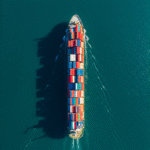


Shipping Containers’ Role in Global Parcels & Logistics
In today’s interconnected world, sending an item from Singapore to Sydney, or a component from Kuala Lumpur to Kyoto, often feels seamless. Behind every successful international parcels service lies a tapestry of logistics, infrastructure, and coordinated efforts. Individual packages might seem small. Yet, their collective journey relies heavily on a foundational element of global trade: the ubiquitous shipping container. Understanding its silent yet indispensable role is key to appreciating the efficiency and reach of modern delivery service international operations. It also highlights their importance in the broader ecosystem of global courier services.
Businesses, project managers, or procurement teams often consider air freight for speed or direct trucking for regional routes when moving goods across borders. However, sea freight forms the backbone for cost-effectiveness, volume, and consolidated shipments. This method, powered by robust freight boxes, enables efficient international parcel and cargo delivery. Companies can also leverage containerised solutions for their operational needs across Asia Pacific.
The Unseen Backbone of International Parcels Services: Freight Units
While an individual parcel might fit into a small box, it seldom travels alone across oceans. International parcels services thrive on consolidation. Thousands of individual parcels are grouped, sorted, and packed into larger cargo units. These units then become movable warehouses, transporting vast quantities of goods across continents via sea freight. This offers unmatched efficiency and economy for the long haul.
Consider the journey of e-commerce goods from China to Southeast Asia. While express services might use air cargo, a substantial volume of regular or economy shipments are consolidated into these large cargo vessels. These vessels travel by sea to major logistics hubs like Singapore, Port Klang, or Laem Chabang. From these ports, the consolidated cargo is then broken down for regional distribution and last-mile delivery, showcasing how “parcel services international” fundamentally depends on this intermodal transport system.
- Cost-Efficiency: Sea freight is significantly more economical for bulk transport compared to air freight, making global trade accessible for a wider range of goods and businesses.
- Capacity: A single 40-foot container can hold thousands of individual parcels, enabling massive economies of scale for global courier services.
- Environmental Impact: Per tonne-kilometre, sea freight generally has a lower carbon footprint than air freight, aligning with growing sustainability goals.
How Freight Units Enable Efficient Global Courier Services
The operational framework of global courier services is intrinsically linked to the strategic deployment and movement of these freight units. These units are more than just transport vessels; they are critical components in building a resilient and efficient supply chain.
Facilitating Consolidation and Distribution Hubs
In key logistics hubs like Singapore, standardised cargo units are constantly in motion. They arrive at major port terminals, are offloaded, and transported to vast inland depots and logistics parks. Here, these units serve as temporary storage or transfer points. Goods are deconsolidated, sorted, and prepared for their next leg, whether regional distribution or final-mile delivery. This meticulous process ensures that packages from various origins can efficiently converge and disperse to diverse destinations. This is a core function of any robust delivery service international.
Secure Transit for Consolidated Cargo
Security is paramount when transporting goods internationally. These large freight containers offer a highly secure environment for consolidated parcels. Once sealed at the origin, they remain intact until reaching a designated distribution point. This protection against theft, damage, and environmental factors is a critical advantage. It is especially vital for valuable or sensitive shipments handled by parcel service international providers.
Intermodal Transport Synergy
The design of these versatile freight units facilitates seamless intermodal transport. They can be effortlessly transferred between ships, trains, and trucks without unloading and reloading contents. This synergy minimises handling, reduces transit times, and enhances overall supply chain efficiency. This is vital for any business aiming to optimise its international logistics operations. In the Asia Pacific region, this capability is crucial for connecting bustling ports with inland manufacturing zones and consumer markets.
Beyond Transport: Repurposing Cargo Units for Logistics Operations
While their primary role is transport, these robust, modular structures offer incredible versatility for businesses operating within or supporting the global logistics framework. Their design makes them ideal for various on-site applications. They directly support the infrastructure that underpins international parcels services.
On-Site Storage and Warehousing Solutions
For logistics companies, e-commerce fulfilment centres, or businesses managing their own inventory, secure, weatherproof storage is critical. Converted cargo containers provide this immediately. During peak seasons (like festive periods or major online sales events), conventional warehouse space often becomes tight. New or used units can then serve as overflow storage. They are perfect for temporary inventory holding or equipment storage on construction sites for new logistics facilities. They can also create pop-up distribution points in high-demand areas across Singapore and the broader APAC region.
Mobile Offices and Workshops for Logistics Teams
The dynamic nature of global logistics often requires on-site presence. Converted freight boxes can become comfortable and functional mobile offices, security guard posts, or workshops. These can be located at ports, distribution centres, or remote project sites. This allows logistics managers, customs officers, and operational teams to work efficiently closer to the action. It facilitates faster decision-making and oversight for various delivery service international activities.
Customised Solutions for Specialised Needs
The adaptability of these modular units extends to highly specialised applications. For example, refrigerated (reefer) units are essential for cold-chain logistics. They ensure temperature-sensitive goods, often part of international parcels services, remain viable during transit and storage. Dry cargo boxes can be modified with shelving, lighting, and air conditioning to create temporary sorting facilities. They can also provide secure document storage for freight forwarding companies. Furthermore, they can become innovative pop-up retail spaces that handle last-mile collection for consumers.
Key Considerations for Businesses Leveraging Cargo Solutions in Global Logistics
For businesses looking to integrate containerised solutions into their logistics or operational framework, choosing the right partner and understanding the options is crucial. Here are some key considerations:
- Type of Container:
- Dry Van Containers: Standard for general cargo. Available in 20-foot and 40-foot lengths.
- Refrigerated (Reefer) Containers: Essential for temperature-controlled goods, vital for cold-chain components of international parcels services, especially for perishable goods.
- Specialty Containers: Open-top, flat rack, or tank containers for oversized, heavy, or liquid cargo.
- Condition:
- New (One-Trip) Containers: Pristine condition, ideal for long-term projects or conversions.
- Used Containers: Cargo-worthy (suitable for shipping), wind and watertight (suitable for storage), or as-is (for bespoke repurposing projects).
- Purpose and Customisation: Consider what modifications might be needed. This could include adding doors, windows, insulation, electrical wiring, air conditioning, or bespoke internal fittings for offices, workshops, or specialised storage.
- Regulatory Compliance: Ensure containers meet ISO standards and, if intended for international shipping, have valid CSC (Convention for Safe Containers) plates.
- Logistics and Placement: Plan for delivery, offloading, and placement of the unit at your site. Consider accessibility and ground preparation.
Freight containers offer practical and cost-effective solutions. Use them for establishing a new distribution hub, expanding temporary storage for e-commerce, or requiring an on-site office for project management. Partnering with an experienced container provider in the Asia Pacific region ensures you receive high-quality, compliant, and tailored solutions.
Your Partner for Cargo Container Solutions in Asia Pacific
The world of international parcels services and global courier services is complex. However, foundational elements like robust freight units offer businesses incredible opportunities. These opportunities enhance operational efficiency and adaptability. From ensuring the secure transport of consolidated cargo to providing innovative on-site solutions for logistics operations, these units are more than just steel boxes – they are a strategic asset.
At MyBrand, we understand the diverse needs of businesses across Singapore and the broader Asia Pacific region. Our team of experts is ready to assist. We help you buy or lease new or used freight units, or provide specialised unit repairs and re-inspection services. We also support custom repurposing for your unique operational demands. Leverage our deep industry knowledge to find the perfect container solution to support your logistics, storage, or on-site facility requirements.
We invite you to contact MyBrand today for a detailed consultation, a site visit to discuss your specific needs, or a competitive quote. Let us help you navigate the possibilities and integrate robust, sustainable container solutions into your business operations.