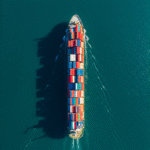


Shipping Containers: Your Guide to Global & International Freight
In today’s interconnected world, efficient logistics are paramount for businesses operating across borders. Understanding the mechanisms behind global shipping is crucial for project managers, business owners, and procurement teams alike. Shipping containers are at the heart of this intricate network. These standardised units make modern worldwide freight possible, facilitating smooth movement of goods from Singapore to destinations globally.
From bustling ports in Singapore to remote construction sites in Indonesia, shipping containers serve as indispensable assets. This article explores their vital role in international shipping. We discuss key business considerations and how a reliable partner can streamline your container needs. This ensures efficient overseas shipping and local applications.
Understanding the Role of Shipping Containers in Global Shipping
Shipping containers are more than just metal boxes; they are the foundation of intermodal transport. Their standardised dimensions allow for seamless transfer between ships, trains, and lorries, dramatically reducing handling times and costs for worldwide shipping operations.
Standardisation and Efficiency
The International Organisation for Standardisation (ISO) ensures containers meet universal specifications. This makes them compatible with global handling equipment and transport infrastructure. Such standardisation is the cornerstone of modern international shipping, allowing goods to travel vast distances without unpacking. For Singaporean businesses, this translates to predictable and efficient supply chains for both imports and exports.
Types of Containers for Overseas Shipping
While ubiquitous 20-foot and 40-foot dry containers are common, a variety of specialised containers cater to different cargo requirements:
- Dry Van Containers: Standard general-purpose containers, ideal for most non-perishable goods. They are the workhorse of global shipping.
- Refrigerated (Reefer) Containers: Essential for transporting temperature-sensitive goods like pharmaceuticals, fresh produce, and frozen foods across Asia Pacific’s diverse climates. Imagine shipping durians from Malaysia to China or pharmaceuticals from Singapore to Vietnam – reefers make it possible.
- Open Top Containers: Designed for oversized cargo that needs to be loaded from the top, such as machinery or bulky industrial components common in construction projects.
- Flat Rack Containers: Used for heavy or odd-shaped cargo that does not fit within standard container dimensions, often seen transporting large equipment for infrastructure projects.
Beyond Just Transport: Local Applications in Asia Pacific
While their primary role is in worldwide freight, shipping containers also offer incredible versatility for static applications. This applies across Singapore and the broader Asia Pacific region:
- Construction Sites: Providing secure, weather-resistant storage for tools, equipment, and materials, or serving as temporary site offices and meeting rooms.
- Retail & F&B: Transforming into trendy pop-up shops, cafes, or food stalls, offering flexible and cost-effective retail solutions in urban centres like Singapore’s cultural precincts or event spaces.
- Event Management: Used for temporary ticketing booths, backstage storage, or portable restrooms at large-scale events and festivals.
- Warehousing & Storage: Offering immediate, scalable storage solutions for businesses needing extra space without the commitment of traditional warehousing.
- Specialised Projects: From converting into mobile laboratories for research to emergency shelters in disaster-prone areas, their robust structure allows for diverse repurposing.
Key Considerations for Worldwide Freight Management
Managing containers for your international shipping needs involves several strategic decisions, from procurement to maintenance.
Buying vs. Leasing Shipping Containers
The decision to buy or lease depends on your business’s specific operational model, financial strategy, and project duration.
- Buying: Ideal for long-term, high-volume container usage, offering full ownership, customisation potential, and potential resale value. It is a capital expenditure.
- Leasing: Offers flexibility for shorter projects or fluctuating demand, conserving capital and providing access to a well-maintained fleet. This is often preferred by businesses requiring containers for specific projects or seasonal surges in overseas shipping.
Many businesses in Singapore choose a hybrid approach. They own their core fleet while leasing additional units during peak seasons or for specialised projects.
Ensuring Container Quality: Repairs and Re-inspection
The integrity of your containers directly impacts the safety and security of your cargo during global shipping. Regular maintenance and repairs are critical.
- Damage Assessment & Repair: Containers can sustain damage during handling or transit. Timely repairs, from patching minor dents to structural fixes, are essential to maintain their cargo-worthiness.
- CSC Plate Re-inspection: The International Convention for Safe Containers (CSC) plate signifies a container’s structural integrity and suitability for intermodal transport. Regular re-inspections are mandatory for containers used in worldwide freight. These typically occur every 5 years after the first 5-year period and ensure containers meet safety standards. Engaging a certified provider for these services is non-negotiable for compliance and cargo protection.
Customisation and Repurposing for Regional Needs
Beyond standard use, containers can be modified to suit specific business requirements in the Asia Pacific region:
- Insulation and Ventilation: For sensitive goods or comfortable workspaces in tropical climates.
- Electrical Outlets and Lighting: Essential for office conversions or retail units.
- Security Enhancements: Added locks, alarms, or reinforced doors for high-value goods or remote site storage.
- Branding: Custom paint and decals for marketing purposes, turning a container into a mobile billboard for your brand.
Streamlining Your International Logistics with Expert Support
Navigating the complexities of container management for global shipping requires expertise and reliable local support. A strong partner can simplify procurement, maintenance, and logistics processes.
The Benefits of a Local Partner in Singapore and Asia Pacific
Working with a local expert like MyBrand offers distinct advantages for businesses engaged in worldwide freight:
- Market Knowledge: Deep understanding of regional regulations, port procedures, and logistics networks across Singapore and the broader Asia Pacific.
- Accessibility & Responsiveness: Quick delivery, repair services, and support when you need it, minimising downtime for your operations.
- Tailored Solutions: The ability to provide bespoke container modifications and solutions, perfectly aligned with your specific project or business needs.
- Compliance Assurance: Guidance on CSC re-inspection requirements and other local standards to ensure your operations are fully compliant.
A Step-by-Step Guide to Sourcing Containers for Global Operations
Here’s how a typical process might look when sourcing containers for your international shipping or local needs:
- Assess Your Needs: Determine the type, size, and quantity of containers required. Consider cargo type, transport route, and intended duration of use (buy vs. lease).
- Request a Consultation: Contact a reputable container provider (like MyBrand) to discuss your specific requirements. Share details about your project, location in Asia Pacific, and budget.
- Receive a Tailored Quote: Based on your needs, you will receive a detailed quote. This covers container sales or leasing options, transport costs, and any required modifications or services. Examples include CSC re-inspection or repairs.
- Finalise & Plan Logistics: Once you approve the quote, the provider will coordinate delivery to your specified location. This could be a port for overseas shipping or a site in Singapore for local use.
- Ongoing Support: Benefit from after-sales services. These include maintenance, repairs, and advice on container repurposing. This ensures your containers remain fit for purpose throughout their lifecycle.
Frequently Asked Questions (FAQs) about Global Shipping Containers
What is the typical lifespan of a shipping container used for worldwide freight?
With proper maintenance and re-inspection, shipping containers can have a working life of 20 to 30 years. They often begin with 10-15 years in active global shipping. Afterwards, they are repurposed for static storage or modification.
Can I customise a container if I lease it for my business in Singapore?
Minor modifications might be possible with prior agreement from the leasing company. For significant structural changes or branding, purchasing the container is usually recommended to allow for full customisation.
How do I ensure a container is suitable for international shipping?
Always ensure the container has a valid CSC plate and is certified “cargo worthy.” A reputable supplier will provide containers that meet these standards, crucial for secure international shipping.
Are there environmental benefits to using shipping containers?
Yes, repurposing used shipping containers for various applications (e.g., offices, retail units) promotes sustainability by extending their lifespan and reducing waste. They are also incredibly efficient for bulk transport, reducing the carbon footprint per item.
Conclusion
Shipping containers are the unsung heroes of modern commerce. They enable the seamless flow of goods through global shipping. This underpins the success of businesses across the Asia Pacific region. Understanding container solutions is key to optimising your operations. This applies whether your focus is on efficient worldwide freight, secure local storage, or innovative repurposing.
MyBrand is committed to providing robust, reliable, and customised shipping container solutions. We meet the diverse needs of business owners, project managers, procurement teams, and logistics professionals. We offer sales and leasing of new and used containers. Our services extend to expert repairs, re-inspection, and bespoke modifications. MyBrand is your trusted partner in Singapore and across Asia Pacific.
Contact MyBrand today for a consultation or to request a tailored quote for your next project. Let us help you navigate container logistics with confidence.