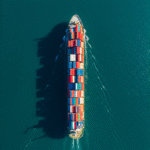


Shipping Cost from China to USA: A Guide for Businesses
For businesses in Singapore and across the Asia Pacific, understanding international shipping intricacies is paramount. This includes the shipping cost from China to USA for effective supply chain management and financial planning. Whether importing goods for distribution, manufacturing, or retail, anticipating expenses and optimising logistics significantly impacts your bottom line. This guide overviews factors influencing how much to ship from China to USA, offering insights for informed decisions.
Key Factors Influencing Shipping Rates from China to USA
Total shipping rates from China to USA result from a complex interplay of variables, not a single price point. Awareness of these elements helps businesses estimate costs and explore various shipping strategies.
Type of Cargo and Volume
- Full Container Load (FCL): Ideal for larger shipments where your goods fill an entire 20ft or 40ft container. FCL generally offers a lower per-unit cost and faster transit times compared to LCL.
- Less than Container Load (LCL): Suitable for smaller shipments that don’t require an entire container. Your cargo shares container space with other shippers, which can be more economical for smaller volumes but may involve longer transit times due to consolidation and deconsolidation processes.
- Specialised Cargo: Dangerous goods, oversized items, or temperature-sensitive products (requiring reefer containers) incur additional costs due to special handling, permits, and equipment.
Mode of Transport
The primary modes are sea freight and air freight, each with distinct cost structures and advantages:
- Sea Freight: This is the most economical option for heavy and bulky goods. It has a longer transit time, but offers significant cost savings, especially for FCL shipments. This mode is typically the focus when discussing the cost of shipping a 20ft container from China to USA.
- Air Freight: Faster but considerably more expensive. Best for high-value, time-sensitive, or perishable goods. Air freight costs are often calculated per kilogramme, making it relevant for understanding the shipping cost per kg from China for urgent deliveries.
Origin and Destination Ports
Geographical distance and the specific ports involved play a critical role. Major Chinese ports like Shanghai, Ningbo, Shenzhen, and Qingdao offer more competitive rates due to higher traffic volumes. Similarly, major US ports such as Los Angeles, Long Beach, New York, and Savannah tend to have more frequent sailings and potentially better rates.
Market Demand and Seasonality
Shipping rates are highly susceptible to market dynamics. Peak seasons (e.g., before major holidays like Chinese New Year or Christmas) often see increased demand and consequently higher rates. Global events, fuel price fluctuations, and capacity constraints can also lead to volatile pricing.
Breaking Down Container Shipping Costs: 20ft and 40ft Options
When planning to ship goods from China to the USA, understanding the specifics of container types is essential for an accurate cost estimation. The cost of shipping a 20ft container from China to USA, for instance, involves more than just the ocean freight rate.
Here’s a simplified comparison of FCL vs. LCL for sea freight:
| Feature | Full Container Load (FCL) | Less than Container Load (LCL) |
|---|---|---|
| Volume Suitability | Large shipments (typically >15 cubic metres) | Small shipments (<15 cubic metres) |
| Cost Structure | Flat rate per container | Priced per cubic metre (CBM) or per 1,000 kg (whichever is greater) |
| Transit Time | Generally faster, direct routing | Slower, requires consolidation/deconsolidation |
| Security | Sealed container, less handling | More handling, shared space |
| Flexibility | Less flexible for smaller, frequent shipments | Good for smaller, intermittent shipments |
A 20ft container typically holds about 28-30 cubic metres of cargo. Exact figures fluctuate daily. Businesses in Singapore might estimate base ocean freight for a 20ft container from major China ports to major US West Coast ports. This could range anywhere from S$3,000 to S$8,000 or more, depending on the factors mentioned above. East Coast shipments will generally be higher due to longer transit distances.
Beyond Sea Freight: Air Freight and Express Parcel Considerations
For urgent or high-value items, air freight is the preferred option. The shipping cost per kg from China for air freight varies widely. It typically ranges from S$5 to S$15 per kilogramme, often excluding customs duties, taxes, and other surcharges. Factors include goods type, volume, airline capacity, and urgency. For very small parcels or documents, express courier services offer door-to-door delivery with transparent pricing per kilogramme. However, these are not typically used for commercial cargo volumes discussed with shipping containers.
Navigating Surcharges and Hidden Fees
The quoted base freight rate is seldom the final cost. Several surcharges and fees must be factored into your budget:
- Fuel Surcharges (Bunker Adjustment Factor – BAF): Reflects the fluctuating cost of fuel.
- Currency Adjustment Factor (CAF): Accounts for currency exchange rate variations.
- Terminal Handling Charges (THC): Fees charged by the port for handling containers at origin and destination.
- Customs Clearance and Duties: Mandatory fees and taxes levied by the destination country’s customs authority.
- Documentation Fees: For preparing bills of lading, manifests, and other necessary paperwork.
- Insurance: Essential to protect your cargo against damage or loss during transit.
- Drayage/Haulage: The cost of transporting the container from the port to your final warehouse or delivery point in the USA.
Strategies to Optimise Your Shipping Expenditure
Minimising your shipping cost from China to USA requires strategic planning. Here are some tips for businesses in Singapore and the wider Asia Pacific region:
- Plan Ahead: Book shipments well in advance, especially during peak seasons, to avoid premium rates.
- Consolidate Shipments: For smaller, non-urgent orders, consider consolidating multiple LCL shipments into an FCL once a certain volume is reached.
- Compare Quotes: Obtain quotes from multiple freight forwarders. Be sure to ask for a breakdown of all charges, not just the base freight.
- Understand Incoterms: Clearly define your Incoterms (e.g., FOB, EXW, CIF) with your supplier to specify who is responsible for which costs and risks at each stage of the journey.
- Utilise Major Ports: Shipping from and to major ports often offers better rates and more frequent schedules.
- Consider Long-Term Contracts: If you have consistent shipping volumes, negotiating long-term contracts with a freight forwarder can secure more stable and favourable rates.
The Role of Shipping Containers Beyond Transport in Asia Pacific
While understanding international shipping costs is crucial, the containers themselves hold significant value and utility once they arrive or are available within the Asia Pacific region. MyBrand specialises in providing comprehensive shipping container solutions that extend far beyond their initial use in transporting goods.
Container Sales and Leasing for Regional Use
Once a container completes its journey from China to the USA and potentially returns to Asia, or when new containers are needed, businesses often require them for diverse applications. We offer robust new and used shipping containers for sale or lease across Singapore, Malaysia, Indonesia, and beyond. These are ideal for:
- On-site Storage: Secure storage for equipment, tools, or inventory at construction sites in Kuala Lumpur or industrial parks in Batam.
- Temporary Warehousing: Expanding storage capacity for logistics companies during peak seasons.
- Project Cargo: Storing materials for large infrastructure projects in Vietnam or the Philippines.
Repurposing Containers for Business Needs
The versatility of shipping containers makes them excellent candidates for repurposing. Our expertise extends to custom modifications, transforming standard containers into functional spaces:
- Pop-up Retail Stores: Creating trendy outlets in bustling areas like Singapore’s Orchard Road or Jakarta’s shopping districts.
- Temporary Offices: Providing durable and comfortable office spaces for construction project managers or event organisers.
- Cafes and Restaurants: Designing unique F&B concepts that are mobile and cost-effective.
- Cold-Chain Storage: Converting standard containers into reliable reefer units for perishable goods, crucial for industries like seafood in Thailand or pharmaceuticals across Southeast Asia.
- Event Booths: Constructing modular, easily deployable spaces for conferences and festivals.
Container Maintenance, Repair, and Re-inspection Services
To ensure the longevity and safety of your containers, whether for continued transport or repurposing, proper maintenance is vital. We provide comprehensive repair services, re-inspection, and certification to meet international standards (e.g., CSC plates), ensuring your containers remain compliant and structurally sound for all their intended purposes within the Asia Pacific region.
Frequently Asked Questions About Shipping from China to USA
How long does sea freight take from China to USA?
Typically, sea freight from major Chinese ports to US West Coast ports can take 14 to 30 days, while to the US East Coast, it can range from 30 to 50 days, excluding customs clearance and inland transport.
What factors cause shipping costs to fluctuate?
Key factors include fuel prices, market demand/supply (especially during peak seasons), global economic conditions, port congestion, and geopolitical events.
Is it cheaper to ship FCL or LCL for a 20ft container?
If your cargo fills or nearly fills a 20ft container (approx. 28-30 CBM), FCL is almost always more cost-effective per unit and offers faster transit. For smaller volumes, LCL might be cheaper, but you pay for the space you use, often with longer transit times.
What is the average shipping cost per kg from China for air freight?
Air freight costs per kilogramme can range from S$5 to S$15, but this is a broad average. Actual costs depend on the carrier, route, urgency, and the specific nature of your goods.
Conclusion
Understanding the dynamic landscape of shipping cost from China to USA is a critical capability for any business. This applies to those engaged in international trade within the Asia Pacific region. By carefully evaluating transport modes, container types, and potential surcharges, you can develop a more accurate budget. This also refines your logistics strategy. Moreover, recognising the versatile life cycle of a shipping container opens up numerous possibilities. This ranges from initial transport to regional application, enhancing operational efficiency and creative business solutions.
Planning your next international shipment or need reliable container solutions within Asia Pacific? Connect with MyBrand’s experts for tailored advice, transparent quotes, or to discuss your specific container requirements, from purchase and lease to custom modifications, repairs, and re-inspection services. We are here to support your business every step of the way.