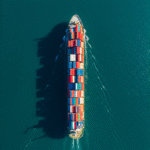


The Definitive Guide to Shipping from China to the USA: Understanding Costs, Routes, and Optimizing Your Sea Freight Strategy
1. Introduction: Navigating the Complexities of China-USA Shipping
In the globalized economy, efficient and cost-effective shipping from China to USA is a critical linchpin for businesses sourcing goods internationally. However, the complexities of international logistics, fluctuating shipping rates China to USA, and diverse route options can present significant challenges for even seasoned importers.
This definitive guide aims to demystify the intricacies of importing goods from China to the United States. We will provide a comprehensive roadmap, focusing on critical factors such as shipping from China to USA cost, the nuances of china to usa by ship (sea freight), optimal shipping routes from China to USA East Coast, and actionable strategies for cost optimization.
By the end of this article, business professionals and decision-makers will gain a clear understanding of:
- The true components of shipping from China to USA cost.
- Why sea freight China to USA is often the preferred method.
- Key shipping routes from China to USA and their associated transit times.
- Practical strategies to identify the cheapest shipping from China to US options without compromising reliability.
- Essential steps in the import from China to USA shipping process.
2. Decoding Shipping Costs from China to the USA: A Comprehensive Breakdown
2.1. Understanding the True Shipping from China to USA Cost Components
Base Freight Rates
The foundation of your shipping from China to USA cost is the base freight rate. These shipping rates China to USA are typically determined per CBM (cubic meter) for Less than Container Load (LCL) shipments, or as a flat rate per 20ft or 40ft container for Full Container Load (FCL). The chargeable weight calculation, which considers both actual weight and volumetric weight, also plays a crucial role. These rates fluctuate based on market supply and demand, carrier capacity, and global economic conditions.
Essential Surcharges and Fees
Beyond the base rate, several surcharges and fees contribute significantly to the overall how much to ship from China to USA. These can include:
- Bunker Adjustment Factor (BAF) / Fuel Surcharge: An adjustment to account for the volatility of fuel prices.
- Peak Season Surcharge (PSS): Levied by carriers during periods of high demand, such as before major holidays or during Q4.
- Terminal Handling Charges (THC): Fees incurred at both the origin and destination ports for loading, unloading, and moving containers.
- Documentation Fees: Costs associated with preparing and processing various shipping documents.
- Security Surcharges: Fees to cover enhanced security measures for cargo.
- Port Congestion Surcharge: Applied when ports experience significant delays due to high traffic or operational issues.
Customs Duties, Taxes, and Tariffs
Importing goods into the U.S. necessitates adherence to U.S. Customs and Border Protection (CBP) regulations. This includes the payment of import duties, taxes, and potentially tariffs, such as the Section 301 tariffs applicable to certain goods from China. The Harmonized System (HS) code classification of your goods is critical for accurate duty calculation. Additional fees like the Merchandise Processing Fee (MPF) and Harbor Maintenance Fee (HMF) are also part of the customs clearance China USA process.
Cargo Insurance Costs
Protecting your investment is paramount. Cargo insurance safeguards your goods against loss or damage during transit. Premiums are typically calculated based on the declared value of your goods plus the freight cost, with various coverage types (e.g., All-Risk, FPA) available to suit different risk appetites.
Inland Transportation and Last-Mile Delivery
Once your goods arrive at a U.S. port, they must be transported to their final destination. This involves inland transportation costs, which can include drayage (from port to rail yard or warehouse), trucking (Full Truckload – FTL or Less than Truckload – LTL), or rail freight. Factors such as distance, fuel costs, and truck availability significantly impact this component of the container shipping cost China to USA.
2.2. Factors Influencing the Cheapest Shipping from China to US
Shipping Method Selection (Sea vs. Air vs. Express)
The choice of shipping method is perhaps the most significant determinant of your cheapest shipping from China to US options. Sea freight China to USA is by far the most cost-effective for bulk, heavy, or non-urgent shipments. Air freight offers speed but comes at a significantly higher premium for larger volumes. Express couriers (like DHL, FedEx, UPS) are best suited for small, urgent, or high-value packages.
Cargo Volume: LCL vs. FCL Shipping
The volume of your cargo dictates whether LCL vs FCL shipping China USA is more economical. LCL is ideal for smaller shipments that don’t fill a full container, where costs are shared among multiple shippers. FCL, conversely, provides a dedicated container and is generally more economical for larger volumes, offering a lower unit cost. Understanding the tipping point where FCL becomes more cost-effective than LCL is crucial for shipping cost optimization.
Time Sensitivity vs. Cost Trade-off
Expedited shipping invariably incurs higher costs. Strategic planning that allows for longer transit time China to USA by sea can yield substantial savings. Balancing urgency with budget is a key decision point for importers aiming to reduce shipping costs.
Seasonality and Global Events
Shipping rates are not static. Peak shipping seasons, such as the period before Chinese New Year or the Q4 holiday rush, often lead to inflated rates and reduced capacity. Global supply chain disruptions, port congestion, and geopolitical events can also cause unexpected surcharges and delays, impacting your overall sea freight rates China to USA.
Port Selection (Origin and Destination)
The proximity of the origin port in China to your supplier’s factory, and the strategic selection of the U.S. destination port based on your final delivery location and inland transportation costs, can significantly affect overall expenses. Optimizing this choice is vital for finding the cheapest shipping from China to US.
3. Sea Freight: The Preferred Method for China to USA by Ship
3.1. Why Choose Sea Freight China to USA?
Unmatched Cost-Effectiveness
For most commercial imports, sea freight China to USA offers the most competitive pricing per unit, making it the primary choice for businesses focused on budget optimization. This makes china to usa by ship a highly attractive option.
High Carrying Capacity
Ocean vessels can transport vast quantities of goods, including oversized or heavy items that are impractical or impossible to send via air. This high capacity is essential for businesses dealing with significant inventory volumes.
Environmental Benefits
Compared to air freight, ocean shipping China to USA boasts a significantly lower carbon footprint per ton-mile, aligning with increasing corporate sustainability objectives.
Reliability and Global Reach
An extensive network of shipping routes connects major ports in China for shipping to USA to key major ports China to USA in the U.S., offering reliable and consistent service for international trade.
3.2. Types of Sea Freight Services
Full Container Load (FCL)
With FCL, your goods occupy an entire 20-foot or 40-foot container. This option is generally more economical for larger shipments, offering dedicated space, less handling, enhanced security, and often faster transit times because there’s no need for consolidation or deconsolidation with other shippers’ cargo. FCL is ideal when your shipment volume is sufficient to fill a container or when security and speed for a large consignment are paramount.
Less than Container Load (LCL)
LCL allows your goods to share container space with other shippers’ cargo. This is a cost-effective solution for smaller shipments that do not warrant a full container, providing flexibility for smaller orders or inventory replenishment. However, LCL shipments typically have longer transit time China to USA by sea due to the additional processes of consolidating and deconsolidating cargo at origin and destination ports, along with increased handling.
Specialized Cargo Options (Brief Mention)
For unique cargo, specialized services exist. Roll-on/Roll-off (Ro-Ro) vessels are used for vehicles and machinery, while Break Bulk services cater to oversized cargo that cannot fit into standard containers, although these are less common for general commercial goods.
4. Key Shipping Routes and Transit Time China to USA by Sea
4.1. Major Chinese Ports of Departure
Strategic Hubs for Ports in China for Shipping to USA
China boasts some of the world’s largest and most efficient ports, serving as crucial gateways for international trade. Key ports for shipping to the USA include:
- Shanghai: The world’s busiest container port, offering extensive global connections.
- Ningbo-Zhoushan: A high-volume port with strong links to manufacturing centers in East China.
- Shenzhen: A vital gateway for Southern China and its bustling manufacturing hubs.
- Qingdao: A key port for Northern China, serving the Shandong province.
- Guangzhou: Important for the Pearl River Delta region.
- Tianjin: The main port for Beijing and Northern industrial zones.
Selecting the Right Origin Port
Choosing the optimal origin port involves considering its proximity to your supplier’s factory, the availability of direct routes to your desired U.S. port, and the associated inland logistics costs within China. This choice directly impacts the efficiency and shipping from China to USA cost.
4.2. Primary Shipping Routes from China to USA East Coast
The Panama Canal Route
The most common route for shipping routes from China to USA East Coast involves transiting through the Panama Canal. This route connects Asian ports to major U.S. East Coast ports such as:
- New York/New Jersey (Port of NY/NJ)
- Savannah (Port of Savannah)
- Charleston (Port of Charleston)
- Norfolk (Port of Virginia)
- Miami (PortMiami)
Typical transit time China to USA by sea for this route generally ranges from 25-35 days from major Chinese ports.
The Suez Canal Route (Less Common for Direct East Coast)
While primarily used for cargo from Southeast Asia or services that loop around Africa, the Suez Canal route can serve as an alternative, though it is less common for direct China-U.S. East Coast shipments. It involves a longer distance and potentially higher fuel costs but offers an alternative during periods of Panama Canal congestion.
Intermodal Connections to Inland USA
Upon arrival at East Coast ports, cargo can be efficiently moved to inland destinations across the U.S. via robust intermodal networks, utilizing both rail and truck transportation.
4.3. Shipping Routes to West Coast USA (For Context)
Trans-Pacific Routes
For shipments destined for the U.S. West Coast, direct Trans-Pacific routes are utilized. These are generally faster due to the shorter distance. Major U.S. West Coast ports include:
- Los Angeles / Long Beach (Ports of LA/LB)
- Oakland (Port of Oakland)
- Seattle / Tacoma (Northwest Seaport Alliance)
Typical transit time China to USA by sea for these routes generally ranges from 12-20 days from major Chinese ports. These ports also offer efficient rail connections for rapid inland distribution across the U.S.
Factors Affecting Transit Time China to USA by Sea
Several factors can influence the actual transit time China to USA by sea, including the carrier’s schedule and service frequency, whether the service is direct or involves transshipment, port congestion at either origin or destination, adverse weather conditions, and unforeseen delays such as those impacting canal transits.
5. Navigating the Shipping Process: A Step-by-Step Guide for Importers
5.1. Finding a Reliable Shipping Company China to USA / Freight Forwarder
The Role of a Freight Forwarder
A reputable freight forwarder acts as a vital intermediary, streamlining the complexities of international shipping. They manage logistics, documentation, and customs procedures, often offering value-added services like warehousing and cargo consolidation. Partnering with the right shipping company China to USA is crucial.
Key Criteria for Selection
When selecting a freight forwarder, consider:
- Experience & Reputation: A proven track record in China-USA lanes.
- Network & Partnerships: Strong relationships with carriers and agents in both China and the U.S.
- Communication & Transparency: Clear pricing, regular updates, and responsive support.
- Service Offerings: Ability to handle your specific cargo type and provide suitable LCL/FCL options.
- Technology & Tracking: Real-time visibility of your shipment.
- Customs Expertise: In-house or partnered customs brokerage services.
Requesting Quotes and Comparing Services
It is essential to obtain multiple, detailed quotes from various shipping companies China to USA to ensure competitive pricing and a full understanding of all inclusions and exclusions.
5.2. Documentation Essentials for Import from China to USA Shipping
Critical Shipping Documents
Accurate and complete documentation is non-negotiable for smooth import from China to USA shipping. Key documents include:
- Commercial Invoice: Details the transaction, goods, value, and terms of sale.
- Packing List: An itemized list of contents, weights, and dimensions for each package.
- Bill of Lading (B/L): Serves as a contract of carriage, a receipt of goods, and a document of title.
- Certificate of Origin: Verifies the country where goods were manufactured.
- Customs Declaration: Required for import into the U.S.
- Import License/Permits: Necessary for certain regulated goods.
Ensuring Accuracy and Compliance
The accuracy of these documents is critical to avoid delays, penalties, and customs issues. Working closely with your supplier and freight forwarder is essential to ensure all paperwork is correct and compliant.
5.3. Customs Clearance China USA at Destination
The U.S. Customs Clearance Process
Navigating customs clearance China USA involves several steps:
- Filing the Importer Security Filing (ISF) at least 24 hours prior to shipment departure.
- Submitting the Entry Summary filing (CBP Form 7501).
- Payment of all applicable duties, taxes, and fees.
- CBP examination and ultimate release of the cargo.
Role of a Licensed Customs Broker
While not legally mandatory for all imports, engaging a licensed customs broker is highly recommended, especially for commercial shipments. Their expertise in complex U.S. customs regulations, correct goods classification, duty calculation, and compliance ensures a smoother process, minimizing risks of penalties and delays.
Common Pitfalls to Avoid
Common issues include incorrect valuation, misclassification of goods, and incomplete documentation, all of which can lead to significant delays and financial penalties.
5.4. Delivery to Final Destination
Drayage from Port to Inland Hub
After customs clearance, containers are typically moved from the port terminal to a nearby warehouse or rail yard, a process known as drayage.
Inland Transportation Options
For final delivery, businesses can choose between Full Truckload (FTL) or Less than Truckload (LTL) services, or utilize rail freight for longer inland movements, depending on cargo volume and destination.
Final Mile Delivery
The final leg ensures efficient and timely delivery to your business location or distribution center, completing the import process China USA.
6. Strategies for Optimizing Your Shipping from China to USA Cost
6.1. Proactive Planning and Scheduling
Booking in Advance
Securing vessel space and potentially better shipping rates China to USA by booking well in advance can lead to significant savings, especially during anticipated peak seasons.
Avoiding Peak Seasons
Strategically planning your shipments to bypass periods of high demand, such as pre-holiday rushes or Chinese New Year, can help avoid inflated rates and potential capacity shortages, contributing to the cheapest shipping from China to US.
Consolidating Orders
Combining multiple smaller orders into a single, larger shipment allows you to leverage FCL rates or maximize the efficiency of LCL space, directly impacting your overall shipping cost optimization.
6.2. Strategic Incoterms Selection
Understanding Incoterms (e.g., FOB, EXW, CIF, DDP)
Incoterms define the responsibilities and costs between the buyer and seller. Your choice of Incoterm significantly impacts your shipping from China to USA cost and the point at which risk transfers.
Choosing the Right Incoterm for Cost Control
- FOB (Free On Board): Often preferred by importers as it gives them more control over main freight, potentially leading to the cheapest shipping from China to US.
- EXW (Ex Works): Places maximum responsibility on the buyer, but offers full control over the entire logistics chain.
- DDP (Delivered Duty Paid): Simplifies the process for the buyer but often includes a premium.
6.3. Leveraging Technology and Data Analytics
Utilizing Logistics Platforms
Modern logistics platforms offer tools for comparing shipping rates China to USA, tracking shipments in real-time, and managing documentation digitally, enhancing efficiency and transparency.
Data-Driven Decision Making
Analyzing historical shipping data can help identify trends, optimize routes, and accurately forecast costs, leading to better decisions to reduce shipping costs.
6.4. Negotiation and Relationship Building
Obtaining Multiple Quotes
Always compare offers from various shipping companies China to USA to ensure you are receiving competitive pricing and a comprehensive service package.
Long-Term Partnerships
Building strong, long-term relationships with reliable freight forwarders can lead to better service, preferential rates, and more flexible solutions over time.
Transparent Communication
Ensure all charges are clearly itemized and understood to avoid hidden fees or unexpected costs, which is crucial for effective shipping cost optimization.
7. Comparison: LCL vs. FCL for Ocean Shipping China to USA
This section directly addresses a key commercial investigation intent, helping businesses decide on the most suitable method for their cargo volume.
| Feature | Less than Container Load (LCL) | Full Container Load (FCL) |
|---|---|---|
| Cargo Volume | Smaller shipments (typically 1-15 CBM) | Larger shipments (typically >15 CBM, or full container needed) |
| Cost Structure | Charged per CBM or weight, higher unit cost | Flat rate per container, lower unit cost for larger volumes |
| Transit Time | Longer (requires consolidation/deconsolidation at ports) | Shorter (direct port-to-port, no extra handling) |
| Handling | More handling points, increased risk of damage | Less handling, reduced risk of damage |
| Security | Shared container, less control over internal packing | Dedicated container, greater control and security |
| Flexibility | Ideal for smaller, frequent orders | Best for large, less frequent orders |
| Pricing Point | Becomes less economical as volume approaches FCL threshold | Becomes most economical at higher volumes |
| Best For | Small businesses, samples, replenishing specific items | Established importers, bulk goods, high-volume products |
8. Frequently Asked Questions (FAQs) about Shipping from China to USA
How long does shipping from China to USA by ship typically take?
Transit time China to USA by sea generally ranges from 12-20 days to the West Coast and 25-35 days to the East Coast, depending on the specific shipping routes from China to USA, vessel speed, and port congestion at the major ports China to USA.
What is the cheapest shipping from China to US option for small businesses?
For smaller shipments, LCL sea freight China to USA is typically the most cost-effective solution. For very small, urgent items, express air couriers can be competitive, but for general cargo, sea freight LCL offers the best balance of shipping from China to USA cost and capacity for businesses aiming for the cheapest shipping from China to US.
What are the main factors that affect shipping rates China to USA?
Key factors affecting shipping rates China to USA include cargo volume (LCL vs. FCL), shipping method (sea vs. air), fuel prices (BAF), peak season surcharges, port congestion, origin/destination ports, and current market demand and vessel capacity. These elements collectively determine the shipping from China to USA cost.
Do I need a customs broker for customs clearance China USA?
While not legally mandatory for all imports, a licensed customs broker is highly recommended, especially for commercial shipments. They possess the expertise to navigate complex U.S. customs regulations, classify goods correctly, calculate duties, and ensure compliance, thereby minimizing delays and potential penalties during customs clearance China USA.
Can I track my ocean shipping China to USA container?
Yes, most reputable shipping companies China to USA and freight forwarders provide tracking services for ocean shipping China to USA. You can typically track your shipment using the Bill of Lading number or container number through their online portals or via direct communication with their customer service.
9. Conclusion: Your Strategic Edge in China-USA Shipping
Navigating shipping from China to USA effectively requires a clear understanding of the multifaceted shipping from China to USA cost components, the strategic advantages of sea freight China to USA, and the various shipping routes from China to USA East Coast and West Coast. By mastering these elements, businesses can transform a complex logistical challenge into a competitive advantage.
Informed decision-making, coupled with strategic planning and the selection of reliable partners, is paramount to optimizing your supply chain. This guide has equipped you with the knowledge to make smarter choices regarding cheapest shipping from China to US options, ideal methods, and efficient processes for your import from China to USA shipping.
Ready to optimize your import from China to USA shipping strategy? Contact our experts today for a personalized consultation or request a detailed quote tailored to your specific cargo and business needs. Leverage our expertise to ensure efficient, cost-effective, and reliable international shipping.