
So, you’re thinking about getting some stuff from China to sell here in the UK? It’s a pretty common move for businesses, but honestly, it can feel like a maze at first. There’s a lot to think about, from how you’ll get your goods here to making sure they meet all the UK’s rules. This guide is just to help you get a handle on the basics of shipping from China to the UK, so you don’t end up with any nasty surprises.
Key Takeaways
- Figure out the best way to ship your goods, whether it’s by sea, air, or rail, keeping costs and speed in mind.
- Make sure you have all the right paperwork sorted for customs to avoid delays when your items arrive.
- Understand the costs involved, including duties, VAT, and any other fees, so you can budget properly.
- Pick your suppliers carefully and check the quality of your products to make sure they meet UK standards.
- Be ready for unexpected issues, like shipping delays or problems with customs, and have a plan just in case.
Understanding Shipping Methods For Your China To UK Imports
When you’re looking to get goods from China to the UK, you’ve got a few main ways to do it. Each one has its own pros and cons, mostly boiling down to how fast you need your stuff and how much you’re willing to spend. It’s not just about picking the cheapest option; it’s about finding the right fit for your specific needs.
Comparing Sea Freight and Air Freight Options
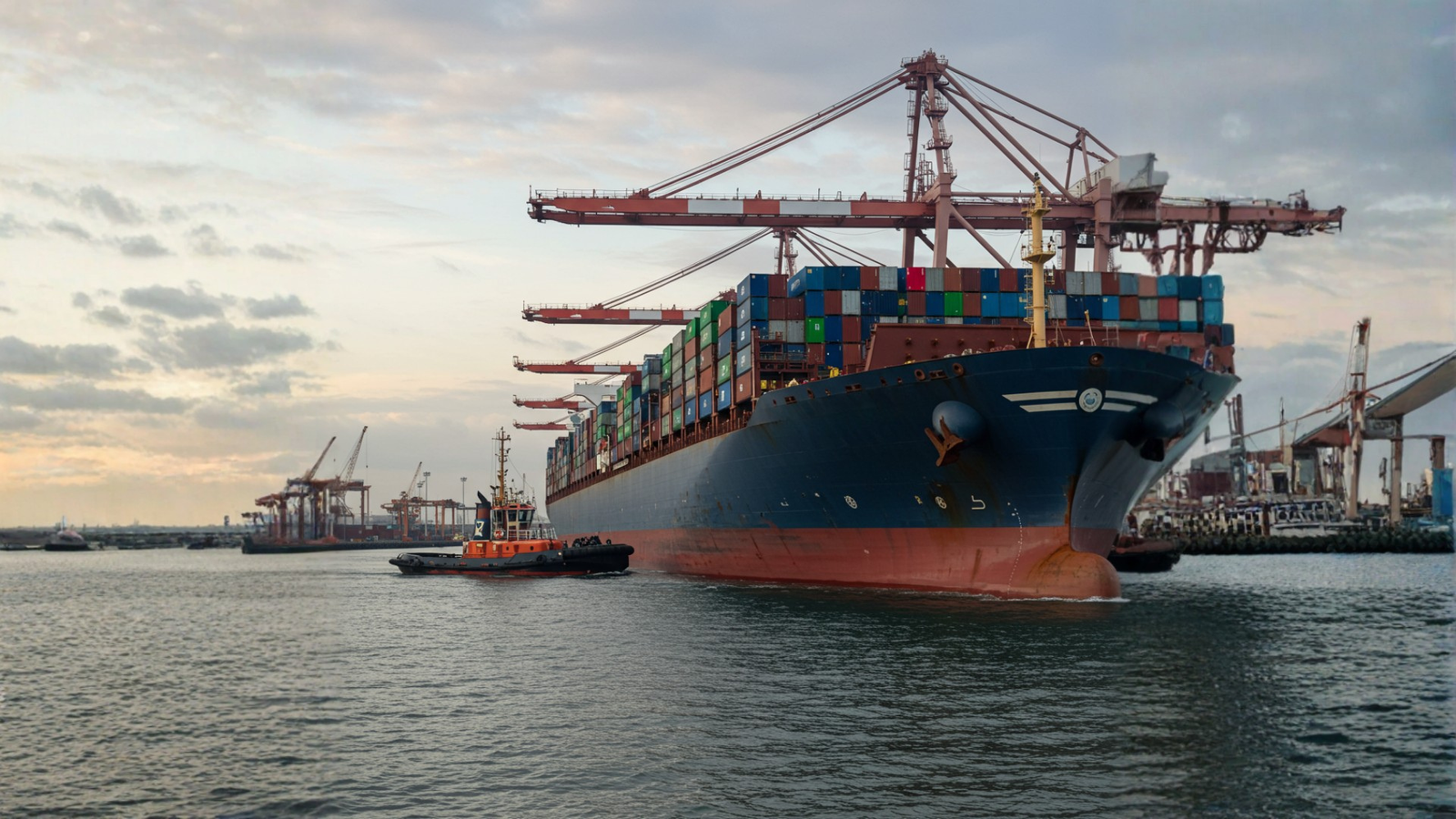
Sea freight is probably the most common method for shipping from China to the UK. It’s the workhorse for bulk items and regular shipments because it’s the most budget-friendly. You’re looking at transit times that can range from 30 to 45 days, sometimes a bit longer depending on the exact route and any port delays. This method is ideal for larger quantities where time isn’t the absolute top priority. Think of it as the reliable, slow-and-steady option.
Air freight, on the other hand, is significantly faster, usually taking between 5 to 10 days. This speed comes at a higher cost, making it better suited for urgent shipments or high-value goods where the cost of shipping is a smaller percentage of the total value. If you’ve got a product launch coming up or need to restock quickly, air freight is your go-to, even though it’s more expensive. The choice between sea and air freight often comes down to balancing cost against delivery speed.
Leveraging Rail Freight for Mid-Volume Cargo
Rail freight offers a middle ground between the slow pace of sea shipping and the high cost of air freight. Transit times are typically around 18 to 25 days, making it a good option for mid-volume cargo that needs to get to the UK faster than sea freight allows but doesn’t warrant the expense of air cargo. It’s a solid choice for businesses that need a balance between speed and cost-effectiveness for their shipments.
Choosing Express Couriers for Urgent Parcels
For the smallest and most time-sensitive shipments, like product samples or small e-commerce orders, express couriers are the way to go. Companies like DHL, FedEx, and UPS can deliver parcels from China to the UK in as little as 3 to 7 days. While this is the fastest option available, it’s also the most expensive per kilogram. It’s perfect for situations where speed is paramount and the volume is small enough to absorb the higher costs. These services often include door-to-door delivery and handle customs clearance, simplifying the process for the importer.
When planning your china to uk shipping, always factor in potential delays. Port congestion, customs checks, and even weather can impact transit times. Working with experienced freight forwarders can help you anticipate and manage these issues more effectively, reducing surprises and keeping your supply chain running smoothly. Understanding the nuances of freight shipping from china to uk is key to successful importing.
Here’s a quick look at the typical trade-offs:
- Sea Freight: Lowest cost, longest transit time (30-45 days). Best for bulk, non-urgent goods.
- Rail Freight: Medium cost, moderate transit time (18-25 days). Good for mid-volume cargo.
- Air Freight: High cost, fast transit time (5-10 days). Suitable for urgent or high-value items.
- Express Couriers: Highest cost, fastest transit time (3-7 days). Ideal for samples and small, urgent parcels.
Selecting the right method is a critical first step in your china to uk shipping time calculations and overall import strategy.
Navigating UK Customs and Import Regulations
Alright, so you’ve got your goods sorted in China and you’re ready to ship them over to the UK. Before they land, you’ve got to deal with the UK’s customs and import rules. It’s not exactly a walk in the park, but knowing what’s what can save you a heap of trouble, like delays or unexpected fees.
Essential Paperwork for Customs Clearance
Getting the paperwork right is pretty much the first hurdle. Without the correct documents, your shipment could get stuck at the border. You’ll definitely need a few key things:
- Commercial Invoice: This is basically a bill from your supplier detailing the goods, their value, and who’s buying them. It’s super important for customs to figure out duties and taxes.
- Packing List: This lists everything in the shipment, how it’s packed, and the weight. It helps customs verify what’s inside.
- Bill of Lading (for sea freight) or Air Waybill (for air freight): This is your contract with the shipping company and acts as a receipt for your goods.
- Import Declaration: This is the official form you or your agent fills out to tell UK customs what you’re importing.
Beyond these basics, depending on what you’re importing, you might need special licenses or permits. Things like food, chemicals, or even certain types of machinery often have extra requirements. Always double-check if your specific product needs any special permissions before it even leaves China.
Understanding Post-Brexit Import Procedures
Since the UK left the EU, the import rules have changed. You can’t just follow the old EU procedures anymore. Now, you’ve got to stick to UK-specific rules for tariffs, taxes, and border checks. This means things like getting the right commodity codes for your goods is more important than ever, as these codes dictate how much duty you’ll pay. If your goods are heading to Northern Ireland, things can get a bit more complicated due to the Northern Ireland Protocol, so be aware of potential dual requirements.
Meeting UK Product Safety and Labeling Standards
This is a big one. The UK has its own rules about product safety and how things should be labeled. You can’t just assume that because a product is okay in China, it’s automatically okay for the UK market. For many products, like toys, electronics, or anything that could pose a risk, you’ll need to make sure they meet UK safety standards. This might involve getting specific UK safety marks, like the UKCA mark, which has replaced the old EU CE mark for most goods. Labels need to be clear, in English, and show important information like the product’s origin and any safety warnings. Getting this wrong can lead to your goods being stopped, returned, or even destroyed, so it’s worth spending time to get it right.
It’s easy to think that once your goods are on the ship, your job is done. But dealing with customs and regulations is a whole other ballgame. Missing a document or getting a label wrong can cause delays that cost you money and upset your customers. Staying on top of the latest rules, especially after Brexit, is key to a smooth import process.
Calculating the True Cost of Shipping From China to UK
Figuring out the total shipping cost from China to the UK isn’t just about the price tag on the freight itself. There are a bunch of other bits and pieces that add up, and if you don’t account for them, you might end up with a nasty surprise. It’s like planning a road trip; you think about gas, but then you remember tolls, snacks, and maybe a motel if it’s a long haul. Same idea here.
Breaking Down Import Costs: Duties, VAT, and Fees
When your goods land in the UK, they’re subject to certain charges. First up is import duty, which is basically a tax on goods coming into the country. The rate can change depending on what you’re importing, often calculated as a percentage of the item’s value. Then there’s Value Added Tax (VAT), which is usually 20% in the UK. This is applied to the total cost, including the value of the goods, the shipping fees, and any import duty you’ve already paid. On top of that, there might be other administrative fees or charges from customs or your shipping agent.
Here’s a simplified look at how these costs can stack up:
| Item | Example Amount (£) |
|---|---|
| Goods Value | 4,000 |
| Shipping & Insurance | 600 |
| Import Duty (3.5%) | 140 |
| VAT (20%) | 948 |
| Total Import Cost | 5,688 |
Understanding Incoterms and Payment Terms
Incoterms are a set of rules that define who pays for what and when during international shipping. They’re super important because they clarify responsibilities between the buyer and seller. Common ones include EXW (Ex Works), where you’re responsible for almost everything from the seller’s factory, and DDP (Delivered Duty Paid), where the seller handles most of the costs and risks up to your door. Your payment terms with the supplier also play a role. Are you paying a deposit upfront? Is the balance due upon shipment? These agreements directly impact your cash flow and when you need to have funds ready.
Budgeting for Shipping and Insurance
When you’re planning your budget for shipping from China to the UK, don’t forget to factor in insurance. While it might seem like an extra cost, it’s a lifesaver if something goes wrong. Goods can get damaged or lost during transit, and without insurance, you’re on the hook for the full replacement cost. It’s also wise to build in a buffer for unexpected charges or delays. Shipping rates can fluctuate, especially during peak seasons like before Chinese New Year or the holiday rush in October-December. Planning ahead and getting quotes from multiple providers can help you get a clearer picture of the potential shipping cost from China to the UK and avoid last-minute budget blowouts.
Always get a few quotes from different shipping companies or freight forwarders. Prices can vary quite a bit, and what seems like a good deal upfront might not be the best value once all the hidden fees are considered. Comparing options is key to managing your overall import expenses effectively.
Selecting and Verifying Reliable Chinese Suppliers
Finding the right supplier in China is like finding a needle in a haystack, but it’s super important for your business. You don’t want to end up with shoddy products or a supplier who just disappears. So, what’s the game plan?
Due Diligence Methods for Supplier Checks
First off, don’t just take their word for it. You need to do some digging. Start by asking for their business license. Make sure the company name and address on it match what they’re telling you. It’s also a good sign if they’re part of any industry associations or export groups. This shows they’re legit and have some standing.
- Verify Business Licenses: Always ask for a copy and check that the details are correct.
- Check Online Presence: Look for reviews, company websites, and any mentions on trade platforms.
- Ask for References: If possible, talk to other businesses they’ve worked with.
It’s also smart to look at how they communicate. Are they responsive? Do they answer your questions clearly? A supplier who is difficult to get a hold of early on might be a red flag for future issues.
Doing your homework upfront saves a ton of headaches later. It’s better to spend a bit more time verifying now than dealing with a major problem down the road.
The Importance of Product Samples and Quality Control
Okay, so you’ve found a few potential suppliers. Now what? Get samples! This is non-negotiable. You need to see and feel the product yourself before committing to a big order. Check the materials, how it’s made, and if it looks like what you expected. This is your first real test of their quality.
Beyond just getting samples, think about quality control during production. Some importers arrange for third-party inspectors to visit the factory while the goods are being made or just before they ship out. These inspectors can check if everything is on track and meets your standards. It’s a bit of an extra cost, but it can prevent you from receiving a whole batch of faulty items. For electronics or toys, this is especially important to meet UK product safety rules. You can find services that specialize in this kind of inspection. OSGShipping offers reliable logistics, but quality starts with the supplier.
Negotiating Contracts and Handling Disputes
Once you’re happy with the samples and quality checks, it’s time to talk contracts. This is where you lay out all the terms. What are the exact product specifications? What’s the price? What’s the delivery timeline? What happens if the goods are late or not up to par? Having everything in writing is super important. It protects both you and the supplier.
- Payment Terms: Agree on how and when you’ll pay. Common methods include bank transfers, letters of credit, or escrow services. For smaller orders, PayPal might work.
- Delivery Schedules: Be clear about when you expect the goods and what the consequences are for delays.
- Quality Guarantees: Define what constitutes a defect and how returns or replacements will be handled.
If a dispute does pop up, having a clear contract makes it much easier to sort out. Sometimes, issues can be resolved through direct negotiation. If not, you might need to involve a third party or look at legal options, but a good contract minimizes the chances of this happening. Remember, clear communication and well-defined agreements are key to a smooth business relationship.
Streamlining Your Import Logistics
Getting your goods from China to the UK without a hitch involves more than just picking a shipping method. It’s about setting up a system that works, minimizing surprises, and making sure everything flows smoothly from the factory floor to your doorstep. This means paying close attention to the details, especially when it comes to packaging, labeling, and having a plan for when things don’t go exactly as expected.
The Role of Freight Forwarders and Customs Brokers
Think of freight forwarders and customs brokers as your guides through the complex world of international shipping. They’re the pros who know the ins and outs of transit, paperwork, and customs regulations. A good freight forwarder can arrange everything from picking up your goods in China to getting them to your UK warehouse. They handle booking space on ships or planes, managing the documentation, and coordinating with carriers. This takes a huge burden off your shoulders, letting you focus on your business. Customs brokers, on the other hand, specialize in clearing your goods through UK customs. They make sure all the necessary declarations are filed correctly and that you pay the right duties and taxes. Working with experienced professionals in these roles is one of the smartest moves you can make to avoid costly mistakes and delays.
Managing Packaging and Labeling Requirements
How your products are packed and labeled can have a big impact on your import process. Proper packaging protects your goods during transit, reducing the chance of damage. This is especially important for fragile items or electronics. Discuss packaging options with your supplier; sometimes, a small change can significantly cut down on shipping costs. Clear and accurate labeling is also key. Your packages need to be clearly marked with the destination, handling instructions, and any required product information. This helps everyone involved handle the goods correctly and speeds up customs checks. For certain products, like those with organic claims or specific safety standards, UK labeling rules are quite strict. Make sure you’re up-to-date on these requirements to avoid issues at the border. You can find more information on UK product standards.
Planning for Potential Delays and Contingencies
Even with the best planning, shipping from China to the UK can encounter unexpected bumps. Customs inspections, port congestion, or even weather events can cause delays. It’s wise to build some buffer time into your delivery schedule. Having a contingency plan means you’re not caught completely off guard if something goes wrong. This could involve having backup suppliers, understanding alternative shipping routes, or simply having a communication plan in place with your forwarder. Knowing what to do if a shipment is held up or if there’s a dispute over product quality can save you a lot of stress and money. Clear contracts with your suppliers and forwarders that outline responsibilities and potential penalties can be a lifesaver when issues arise.
Key Stakeholders in the Import Process
Bringing goods from China to the UK isn’t a solo mission. It involves a whole cast of characters, each with their own part to play. Understanding who these players are and what they do can make the whole process much smoother. Think of it like a well-rehearsed play; if one actor misses their cue, the whole show can get messed up.
Understanding the Roles of Suppliers and Importers
The supplier, usually based in China, is the one making or selling the goods you want to import. They’re responsible for getting the products ready and handing them over for shipment. On the other side, you, the importer, are the one buying these goods. Your job is to make sure everything is in order for the goods to arrive in the UK, clear customs, and get to your doorstep. This includes handling all the paperwork and paying the necessary duties and taxes. Ultimately, the importer bears the responsibility for compliance with UK regulations.
How Freight Forwarders Facilitate Smooth Transit
Freight forwarders are like the conductors of your import orchestra. They don’t own the ships or planes, but they arrange the transportation for you. This means booking space on vessels, managing the paperwork between you and the shipping company, and often coordinating with customs brokers. They can help you compare different shipping options, like sea freight which is generally cheaper for bulkier items, or air freight for faster delivery. Getting a quote for ocean freight shipping is a good first step when planning your logistics. They also help track your shipment and keep you updated on its progress. Many companies, like OSG Shipping, offer global logistics partnership to help manage these complex movements.
The Function of UK Customs and Border Control
Once your goods arrive in the UK, they enter the territory of UK Customs and Border Control. Their main job is to make sure that all imported goods comply with UK laws and regulations. This involves checking the paperwork you submit, verifying the contents of the shipment, and collecting any import duties and Value Added Tax (VAT) that are due. They also play a role in preventing illegal or unsafe goods from entering the country. You’ll need to provide specific documentation, such as a commercial invoice and packing list, for them to process your shipment. Finding the correct commodity code for your goods is also a vital step in this process, as it determines the duty rate.
The import process requires careful attention to detail at every stage. From the initial order with your supplier to the final delivery in the UK, each step has potential pitfalls. Being prepared with accurate documentation and understanding the roles of each party involved can significantly reduce the chances of delays or unexpected costs. Working with experienced professionals can make a big difference.
Wrapping It Up
So, shipping from China to the UK isn’t exactly a walk in the park, but it’s definitely doable. You’ve got to pay attention to the details, like making sure all your paperwork is spot on and understanding exactly what you’ll owe in taxes and duties. Picking the right supplier and figuring out the best way to get your stuff over here, whether it’s by sea or air, makes a huge difference. Things can go wrong, sure, like delays or unexpected costs, but if you do your homework and work with good people, you can avoid a lot of headaches. Basically, be prepared, know the rules, and you’ll be in a much better spot to get your goods here without too much trouble.
Frequently Asked Questions
What are the main ways to ship goods from China to the UK?
You have a few main choices for shipping. Sea freight is the most budget-friendly for big orders but takes the longest, usually around 30-45 days. Air freight is much faster, often 5-10 days, but costs more, making it good for urgent or valuable items. Rail freight is a middle ground, faster than sea but cheaper than air, suitable for medium-sized shipments. For small, super urgent packages, express couriers like DHL or FedEx are the quickest but also the priciest.
What paperwork do I need to clear customs in the UK?
To get your goods through UK customs, you’ll need several important documents. This includes a commercial invoice detailing the sale, a packing list showing what’s in each box, and a bill of lading (for sea freight) or air waybill (for air freight), which acts as a receipt for your shipment. You’ll also need to know your commodity code (HS code) for the goods, and potentially other certificates depending on the product. Having all your paperwork correct and ready is super important to avoid delays.
How much does it cost to import from China to the UK?
The total cost involves more than just the price of the goods. You’ll have to pay for shipping and insurance. Then, there are customs duties, which are like taxes on imported items, and Value Added Tax (VAT), usually 20% of the total cost including duties. Sometimes there are also handling fees and other charges. It’s wise to calculate all these potential costs beforehand to avoid surprises.
How do I find a reliable supplier in China?
Finding a good supplier is key! You can look on online platforms like Alibaba, but always do your homework. Check their business licenses, read reviews, and ask for references. It’s also a really good idea to get product samples to check the quality yourself before placing a big order. Talking to them directly and negotiating clear terms in a contract can also help ensure they are trustworthy.
What are the rules for product safety and labeling in the UK?
All products you import into the UK must meet specific safety and labeling rules. This means items need to be safe for consumers and have clear labels in English that state what they are, where they came from, and any potential dangers. Certain products, like toys or electronics, have extra safety checks they must pass. Not following these rules can cause your shipment to be stopped or even sent back.
What happens if my shipment is delayed?
Delays can happen for various reasons, like bad weather affecting ships, customs inspections, or problems with your paperwork. It’s smart to plan for potential delays by giving yourself extra time in your schedule. Working with a good freight forwarder can also help. They know how to handle unexpected issues and can often speed things up or find solutions if problems arise.