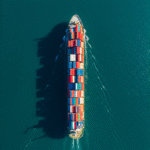


So, you’re thinking about shipping from China to the USA? It’s a super common thing these days, with tons of products making the trip across the ocean. But honestly, it can feel like a puzzle with all the rules and steps involved. If you’re new to this, it might seem a bit overwhelming. Don’t worry, though, we’re going to break down how to get your stuff from China to the States without too much hassle.
Key Takeaways
- Know the rules: Get familiar with US import laws and your rights as an importer before you start.
- Pick your products wisely: Research what you want to ship, making sure it’s allowed and considering its size and weight.
- Choose the right method: Decide between air, sea, or rail freight based on your budget and how quickly you need the items.
- Handle customs properly: Make sure you have all the right paperwork to get your goods through US customs without delays.
- Manage costs and problems: Understand what affects shipping prices and have a plan for common issues like delays.
Understanding the Essentials of Shipping from China to the USA
So, you’re looking to ship some goods from China to the US? It’s a pretty common move these days, with tons of products making that journey every single day. But before you start picking out your items or looking at freight shipping from China to USA, there are a few basics you really need to get a handle on. It’s not just about picking a box and sending it off; there’s a bit more to it.
Know Your Importer Rights and Regulations
First things first, you’ve got to know the rules of the road. US Customs has a whole set of regulations for anything coming into the country. Understanding these rules and what your rights are as an importer is super important. It helps you avoid mistakes that can cause headaches, like delays or unexpected charges. You’ll want to look into tariffs, taxes, and any specific rules about the products you plan to import. It’s a bit like reading the instruction manual before you start building something complicated.
Identify Your Goods and Avoid Restricted Items
What exactly are you shipping? Knowing your product inside and out is key. Think about how much demand there is for it in the US, its size, its weight, and if it’s even worth the trouble to ship. More importantly, you absolutely need to make sure your items aren’t on the prohibited or restricted list. Importing banned stuff means your cargo could get taken away, and that’s a total loss of your investment. Always check the official lists from US Customs. This is a big one when considering shipping china to us.
Classify Your Goods and Calculate Landing Costs
Once you know what you’re shipping and that it’s allowed, you need to classify it properly. This classification affects the duties and taxes you’ll pay. It’s not just about the initial shipping rates china to usa; you need to figure out the total cost to get your product to your customer’s doorstep. This includes the purchase price, shipping costs, customs fees, and any other charges. Getting a handle on these landing costs early on will help you price your products correctly and avoid nasty surprises. You can get an idea of ocean freight shipping quotes to help with this calculation.
It’s easy to get caught up in the excitement of sourcing products, but taking the time to understand import regulations and product restrictions upfront can save a lot of trouble down the line. Think of it as due diligence for your business.
Here’s a quick rundown of what influences your overall shipping costs:
- Shipping Method: Air freight is faster but pricier than sea freight. Express services cost more than standard ones.
- Weight and Volume: The heavier and bulkier your shipment, the more it generally costs.
- Destination: Getting goods to remote areas in the US usually costs more than shipping to major hubs.
- Customs Duties and Taxes: These vary based on the product and its value.
- Insurance: An extra cost, but highly recommended for valuable items.
Understanding these basics is the first step to a smoother shipping experience from China to the US. It sets the stage for choosing the right shipping method and handling customs like a pro.
Choosing the Right Shipping Method for Your Needs
Alright, so you’ve got your products ready to go from China to the US, but how are they actually going to get there? This is where picking the right shipping method really matters. It’s not just about getting your stuff from point A to point B; it’s about balancing speed, cost, and the type of goods you’re moving. Get this wrong, and you could be looking at hefty bills or, worse, your products arriving way too late.
Exploring Air Freight Options
When time is of the essence, air freight is usually the way to go. It’s the speediest option, but let’s be real, it’s also the most expensive. Think of it for high-value items, electronics, or anything you absolutely need yesterday. You’ve got a couple of main choices here:
- Express Air Freight: This is your premium, super-fast service. Companies like FedEx, DHL, and UPS will get your package there in about 3-5 days. It’s great for urgent needs, but the price tag reflects that speed.
- Standard Air Freight: A bit more laid-back than express, this option usually takes around 5-7 days. It’s a good middle ground if you need your goods relatively quickly but can’t stomach the express prices. It’s a solid choice for many time-sensitive shipments.
Understanding Sea Freight: FCL vs. LCL
Sea freight is the workhorse of international shipping, especially for larger volumes. It’s significantly cheaper than air freight, but it takes much longer. This is where most of the goods you see in stores probably came from. The big decision here is between FCL and LCL:
- Full Container Load (FCL): This is for when you have enough stuff to fill an entire shipping container (either 20ft or 40ft). You book the whole container, and it’s just yours. This means your goods are sealed up and don’t get mixed with anyone else’s, which is great for security and can sometimes be faster overall because there’s less handling. It’s usually a fixed price per container.
- Less than Container Load (LCL): Got a smaller shipment that won’t fill a whole container? LCL is your answer. Your goods get packed into a container along with shipments from other people. The big plus is you only pay for the space you use, making it super cost-effective for smaller orders. The downside? It can take longer because your goods need to be consolidated with others, and there’s more handling involved at the ports.
Choosing between FCL and LCL really boils down to the size of your shipment and how much you’re willing to spend versus how quickly you need it. Don’t just guess; calculate the volume and weight carefully.
Considering Rail Freight and Door-to-Door Services
Beyond air and sea, there are other options worth looking into. Rail freight is becoming more popular, especially for inland transport after goods arrive by sea or air. It’s generally faster than sea freight but cheaper than air, offering a nice balance for certain routes. Then there’s the all-inclusive door-to-door service, which takes a lot of the headache out of the process. Your freight forwarder handles everything from picking up your goods at the factory in China all the way to delivering them right to your warehouse or doorstep in the US. This can combine sea, air, and land transport to create a smooth journey, though it often comes at a premium price. If you’re looking for a simpler way to manage your shipments, exploring options like shipping containers in Melbourne might give you ideas for logistics, even if they aren’t directly for China-US routes. It’s all about finding the most efficient path for your specific needs.
Navigating Customs Clearance and Duties
Alright, so your shipment has made it all the way from China to the US. That’s a big step! But before you can actually get your hands on your goods, there’s the whole customs clearance process to deal with. It sounds complicated, and honestly, it can be, but breaking it down makes it much more manageable.
Getting your paperwork in order is super important. If you don’t have the right documents, your shipment could get stuck in customs for ages, or worse, get sent back. Here’s a rundown of what you’ll likely need:
- Bill of Lading (BOL) or Air Waybill (AWB): This is basically your receipt and contract with the carrier. It details the shipment, who’s sending it, who’s receiving it, and the destination.
- Commercial Invoice: This document comes from your supplier and lists the value of the goods, quantity, and description. It’s used to determine duties and taxes.
- Packing List: This gives a detailed breakdown of what’s inside each package, including weights and dimensions. It helps customs officials verify the contents.
- Certificate of Origin (COO): This document proves where your goods were manufactured. It’s often needed to qualify for certain trade agreements or preferential duty rates.
- Import Security Filing (ISF) 10+2: For sea freight, this is a US Customs and Border Protection (CBP) requirement that needs to be filed before the cargo is loaded onto the vessel. It provides advance information about the shipment.
Missing or incorrect documentation is one of the most common reasons for customs delays. Always double-check everything before your shipment leaves the port of origin.
Once your goods are cleared by US Customs, you’ll likely have to pay import duties and taxes. The amount you pay depends on a few things, mainly the type of product you’re importing and its value. The Harmonized Tariff Schedule (HTS) of the United States is the official guide for determining these rates. You’ll need to find the correct 10-digit HTS code for your specific product. This code dictates the duty rate. Keep in mind that some items might also be subject to other taxes or fees, like anti-dumping duties, which are put in place to protect domestic industries from unfairly priced imports.
Here’s a simplified look at how it generally works:
| Cost Component | Description |
|---|---|
| Customs Duty | A percentage of the value of the imported goods, based on HTS codes. |
| Merchandise Processing Fee (MPF) | A fee charged by CBP to process imports. |
| Other Taxes/Fees | May include excise taxes, anti-dumping duties, or other specific charges. |
Dealing with customs can be a real headache, especially if you’re new to importing. That’s where a licensed customs broker comes in. Think of them as your expert guide through the maze of regulations and paperwork. They are authorized to act on your behalf with US Customs and Border Protection (CBP). A good broker can help you classify your goods correctly, prepare and submit all the necessary documentation, calculate duties and taxes, and arrange for payment. They can also help you avoid potential pitfalls and delays. While their services come with a fee, for many businesses, especially those importing regularly or dealing with complex shipments, it’s a worthwhile investment. They can often handle things like customs clearance and ensure your goods move through the process as smoothly as possible. If you’re shipping large quantities, like a full container load, understanding the specifics of FCL shipping is also something a broker or forwarder can assist with.
Key Logistics and Operational Considerations
Alright, so you’ve picked your shipping method and figured out the customs stuff. Now comes the nitty-gritty of actually getting your goods from point A to point B without a hitch. It’s not just about picking a box and slapping a label on it, you know?
Selecting Major Chinese Ports for Shipping
China has a ton of ports, and picking the right one can actually make a difference in your shipping timeline and cost. Think of it like choosing the best highway exit for your destination. Some ports are massive international hubs, handling huge volumes of cargo, while others might be smaller and more specialized. Your choice often depends on where your supplier is located and which US port you’re aiming for. For instance, Shanghai is a giant, but if your supplier is up north, maybe Qingdao makes more sense. It’s all about minimizing transit time within China before your goods even hit the water.
The Importance of a Reliable Freight Forwarder
Honestly, trying to manage all this yourself is a recipe for a headache. That’s where a good freight forwarder comes in. They’re like your logistics fairy godmother, handling all the complicated bits. They’ll help you find the best shipping rates, manage the paperwork, coordinate with the carriers, and generally smooth out the whole process. Finding a forwarder with a solid track record and good communication is probably one of the smartest moves you can make. They can also help with things like customs clearance and warehousing if you need it. It’s worth doing your homework to find a partner you can trust, maybe someone like OSG Shipping who handles a lot of these details.
Tracking Your Cargo During Transit
Once your stuff is on its way, you’re not just left in the dark. Most shipping companies and forwarders provide tracking systems. You’ll usually get a tracking number, and you can use that to see where your shipment is in real-time. It’s good to keep an eye on this, especially if you’re on a tight schedule. You can often track using your Bill of Lading, Commercial Invoice, and packing lists. Knowing where your cargo is helps you anticipate arrival and deal with any potential issues before they become big problems. It’s just good practice to stay informed about your shipment’s journey.
Shipping doesn’t just end when the container is loaded. There are many steps involved, from getting your goods to the port in China to the final delivery at your US address. Each step needs careful planning and execution. Don’t underestimate the value of clear communication with all parties involved, including your supplier, your freight forwarder, and the shipping line.
Managing Costs and Mitigating Challenges
Alright, let’s talk about the money side of things and how to keep your shipments from turning into a headache. Shipping from China to the US can get pricey, and there are always little bumps in the road. But with a bit of planning, you can keep costs in check and deal with problems before they get big.
Factors Influencing Shipping Costs
So, what actually makes the price go up or down? It’s not just one thing, but a mix. The method you pick is a big one – air freight is faster but costs way more than sea freight. Then there’s the sheer size and weight of your stuff; heavier and bulkier items naturally cost more to move. Where in the US it’s going matters too; shipping to a remote area is usually pricier than to a major city. Don’t forget about customs duties and taxes, which can add a surprising amount depending on what you’re importing. And while it might seem like an extra expense, getting insurance for your cargo is pretty important, especially for valuable goods.
Here’s a quick look at how some of these play out:
- Shipping Method: Air (most expensive) vs. Sea (less expensive).
- Weight & Volume: More weight/volume = higher cost.
- Destination: Further away = higher cost.
- Duties & Taxes: Varies by product and value.
- Insurance: Adds to cost but protects your investment.
Addressing Common Shipping Delays
Delays happen. It’s almost a guarantee when you’re shipping internationally. Customs is a frequent culprit. If your paperwork isn’t perfect, or if they decide to inspect your goods, things can get held up. Sometimes, it’s just bad luck with weather affecting sea or air transport. Port congestion can also be a real issue, especially at busy times. Even a simple mistake in labeling or documentation can cause a ripple effect of delays.
To keep things moving, accuracy is key. Double-checking all your documents, like the Bill of Lading and packing lists, before they leave China can save you a lot of trouble down the line. Also, having a good relationship with your freight forwarder means they can often help smooth things over if a problem pops up.
Strategies for Efficient Shipping
Want to make your shipping process smoother and cheaper? Start by picking the right partner. A good freight forwarder, like those who can help with FCL vs. LCL options, can make a world of difference. They know the ins and outs and can often get better rates. Planning ahead is also huge. Book your shipments early, especially if you’re using sea freight, to lock in better prices and avoid last-minute rushes. Make sure your packaging is solid – good packaging protects your goods and can sometimes reduce the overall volume, saving you money. And definitely use tracking systems; knowing where your shipment is at all times lets you react quickly if something seems off. This kind of proactive approach helps keep your supply chain running.
- Choose a reliable freight forwarder: They handle the complexities for you.
- Plan and book early: Secure better rates and availability.
- Optimize packaging: Protect goods and potentially reduce costs.
- Utilize shipment tracking: Monitor progress and address issues promptly.
- Understand Incoterms: Know who is responsible for what costs and risks at each stage of the journey.
Wrapping It Up
So, shipping from China to the US might seem like a big deal at first, and honestly, it can be. There are a lot of moving parts, from picking the right shipping method – whether it’s fast air cargo or slower, cheaper sea freight – to making sure all your paperwork is in order. Customs can be tricky, and understanding duties and taxes is key to not getting any nasty surprises. But with a bit of planning and by working with good freight forwarders, it’s totally doable. Lots of businesses do it every day. Just remember to do your homework on the products you’re importing and keep communication lines open with your suppliers and shipping partners. You’ve got this!
Frequently Asked Questions
What’s the quickest way to ship items from China to the USA?
For super speedy delivery, express air shipping is your best bet. Companies like FedEx or DHL can get your items to you in about 3 to 5 days. It’s pricier, but great for urgent stuff.
How can I save money when shipping from China?
Sea freight is usually the most budget-friendly option, especially for big orders. You can choose between filling a whole container (FCL) or sharing space with others (LCL). Just know that sea shipping takes longer.
What documents do I absolutely need to ship my products?
You’ll need a few key papers. Think of a Bill of Lading (like a shipping receipt), a Commercial Invoice (detailing what you’re shipping and its cost), and a Packing List (showing exactly what’s in each box). Sometimes, you might need other special papers too.
What are import duties and taxes?
These are like fees the US government charges when you bring goods into the country. They’re usually based on the type and value of your items. If your shipment is worth $800 or more, you’ll likely have to pay these. A customs broker can help figure out the exact amount.
What’s a customs broker and why might I need one?
A customs broker is like a guide who helps your shipment get through US Customs smoothly. They handle all the paperwork, make sure you follow the rules, and pay any required duties and taxes. They can save you a lot of headaches and potential delays.
How do I track my shipment from China?
Most shipping companies provide a tracking number. You can use this number on their website to see where your package is during its journey. Your Bill of Lading and other shipping documents will often have the info you need to start tracking.