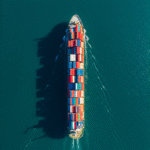


Worldwide Shipping: Container Solutions for Asia Pacific
In today’s interconnected global economy, the movement of goods across borders is fundamental to nearly every business. Whether importing raw materials, exporting finished products, or managing complex supply chains, efficient and reliable worldwide shipping is paramount. For businesses in Singapore and across the Asia Pacific, understanding global shipping and how containers facilitate it is key to success.
Across Singapore, Malaysia, and Vietnam, businesses heavily rely on containerised freight for international shipping. This guide explores leveraging shipping containers for seamless overseas delivery. It ensures your cargo reaches its destination safely, securely, and cost-effectively.
The Backbone of Global Shipping: Understanding Container Types for Overseas Delivery
Shipping containers are the unsung heroes of modern commerce, standardising logistics and enabling efficient goods movement across vast distances. Selecting the right container type is crucial for successful global shipping. It protects your cargo and ensures compliance with international standards.
Standard Dry Van Containers
Standard dry van containers are common. They carry general cargo that does not require temperature control. They are robust, weather-resistant, and come in standardised sizes, making them ideal for a wide range of goods.
- 20-foot General Purpose (GP): Ideal for smaller shipments or when weight is a primary factor. Commonly used for consumer goods, textiles, and manufacturing parts for assembly plants across Southeast Asia.
- 40-foot General Purpose (GP): Double the length of a 20-foot unit, offering more volume for larger shipments. Frequently used for bulkier items or when maximising container space is essential for cost-effective international shipping.
- 40-foot High Cube (HC): With an additional foot (approx. 30 cm) in height compared to a standard 40-foot GP, these containers provide extra vertical space, perfect for light, voluminous cargo or when stacking pallets high. Popular for retail goods and furniture destined for markets in Indonesia or Thailand.
Specialised Containers for Specific Worldwide Shipping Needs
Beyond standard dry vans, specialised containers cater to unique cargo needs. They ensure safe worldwide delivery for challenging items.
- Reefer (Refrigerated) Containers: Reefer containers are essential for temperature-sensitive goods. These include perishables, pharmaceuticals, and chemicals. They are vital for maintaining cold chains from agricultural regions to markets. They also distribute vaccines across Asia Pacific.
- Open Top Containers: Open top containers suit cargo too tall for end-door loading. This includes oversized machinery or building materials for construction in cities like Kuala Lumpur. They feature a removable tarpaulin roof.
- Flat Rack Containers: Ideal for exceptionally wide or heavy cargo, including industrial equipment, vehicles, or large components for infrastructure projects. These containers have end walls but no side walls or roof.
- Tank Containers: Specifically built for the safe transport of liquids, gases, and powders. Commonly used in the chemical and food industries for global shipping of bulk products.
Key Considerations for International Shipping and Worldwide Delivery
Successful international shipping involves more than just choosing a container. It requires strategic planning, adherence to regulations, and careful management to ensure smooth worldwide delivery.
Buying vs. Leasing Shipping Containers for Global Operations
The decision to buy or lease containers depends on your business model, frequency of shipments, and financial strategy.
- Buying: Ideal for businesses with consistent, high-volume shipping needs, specific modification requirements, or those looking to expand into container repurposing. Ownership offers full control and potential for long-term cost savings, but requires upfront capital and maintenance responsibilities.
- Leasing: Offers flexibility for fluctuating demand, short-term projects (e.g., event logistics in Singapore, temporary storage on construction sites), or for businesses wishing to minimise capital expenditure. Leasing eliminates maintenance concerns and allows for scaling container usage up or down as required for various overseas delivery schedules.
Ensuring Container Quality: Repairs, Re-inspection, and Certification for Worldwide Delivery
For any container to be deemed seaworthy for worldwide delivery, it must meet stringent international standards. Regular maintenance, repairs, and re-inspection are critical.
The Container Safety Convention (CSC) plate is a vital certification. It indicates that a container has been inspected and meets international transport safety requirements. Ensure any container you buy or lease for global shipping has a valid CSC plate. Our services include thorough re-inspection and necessary repairs to ensure containers meet these global standards, providing peace of mind for your cargo’s journey.
Repurposing Containers for Beyond Overseas Delivery
The versatility of shipping containers extends far beyond their primary role in overseas delivery. They are increasingly being repurposed for various innovative applications across Asia Pacific:
- Pop-up Retail Stores: Transforming into trendy cafes, boutiques, or exhibition booths for events in urban centres like Singapore or Bangkok.
- Temporary Offices & Workshops: Providing durable, secure, and mobile on-site solutions for construction projects, remote exploration sites, or disaster relief efforts.
- Storage Units: Offering secure, weather-resistant storage solutions for businesses, construction materials, or personal effects.
- Modular Buildings: Being converted into accommodations, schools, or healthcare clinics, particularly in regions requiring rapid deployment solutions.
Streamlining Your Global Logistics: Tips for Efficient International Container Management
Managing containers for international shipping can be complex, but strategic planning can significantly enhance efficiency and reduce costs. Here are some key tips:
- Accurate Planning and Sourcing: Precisely determine the required container type and quantity. Consider cargo dimensions, weight, and special handling needs. Partner with a reliable supplier for new or used containers. Ensure they meet specifications for your worldwide shipping routes.
- Understand Destination Regulations: Research customs requirements, port regulations, and import/export restrictions for each destination. Non-compliance causes delays and additional costs during worldwide delivery.
- Optimise Loading and Packing: Proper loading techniques maximise space utilisation and prevent cargo shifting or damage during transit. Ensure goods are adequately secured and weight is evenly distributed.
- Consider One-Way Lease (SOC Containers): For specific routes, a one-way lease for Shipper Owned Containers (SOCs) can reduce logistics costs. This is especially true with imbalanced container flow. It is a smart strategy for certain global shipping lanes.
- Maintain Clear Documentation: Accurate, complete documentation is essential for smooth customs clearance. This includes bill of lading, packing lists, customs declarations, and CSC plate details. It prevents delays in overseas delivery.
Frequently Asked Questions about Worldwide Container Shipping
What is the typical lifespan of a shipping container used for global shipping?
With proper maintenance, a shipping container lasts 10-15 years for active global shipping. It can last significantly longer (20-30+ years) when repurposed for static storage or modification projects.
Can I modify a container for international shipping?
Minor interior modifications for securing cargo are acceptable. However, structural changes that affect integrity or dimensions invalidate the CSC plate. This makes the container unsuitable for worldwide delivery via standard routes. Always consult experts before structural changes to containers for international transit.
How do I ensure my goods are secure during worldwide delivery?
Security measures include high-security seals, robust locks, proper internal bracing, and cargo lashing. Also consider cargo insurance. Partnering with reputable logistics providers and container suppliers adds security through quality containers and handling.
What are the main challenges for international shipping from Singapore?
Challenges include navigating complex customs regulations, managing fluctuating freight rates, and ensuring container availability. Adapting to geopolitical shifts is also key. Experienced partners and robust logistics planning overcome these hurdles.
Your Partner in Worldwide Container Solutions
Navigating worldwide shipping demands reliable equipment and expert support. Your business needs quality containers and comprehensive services. This applies whether for standard global shipping, specialised international shipping, or repurposing projects across Asia Pacific.
At MyBrand, we understand the critical role shipping containers play in your operations. We offer a full spectrum of container solutions. These include new and used container sales, flexible leasing, and professional repairs with CSC re-inspection. We also provide expert guidance on container repurposing. Our commitment is to provide seamless solutions for your overseas and worldwide delivery requirements. These are tailored to the unique demands of the Asia Pacific market.
Contact MyBrand today for a personalised consultation or a detailed quote. Let our team of specialists assist you in finding the perfect container solution to enhance your global logistics and empower your business operations.