

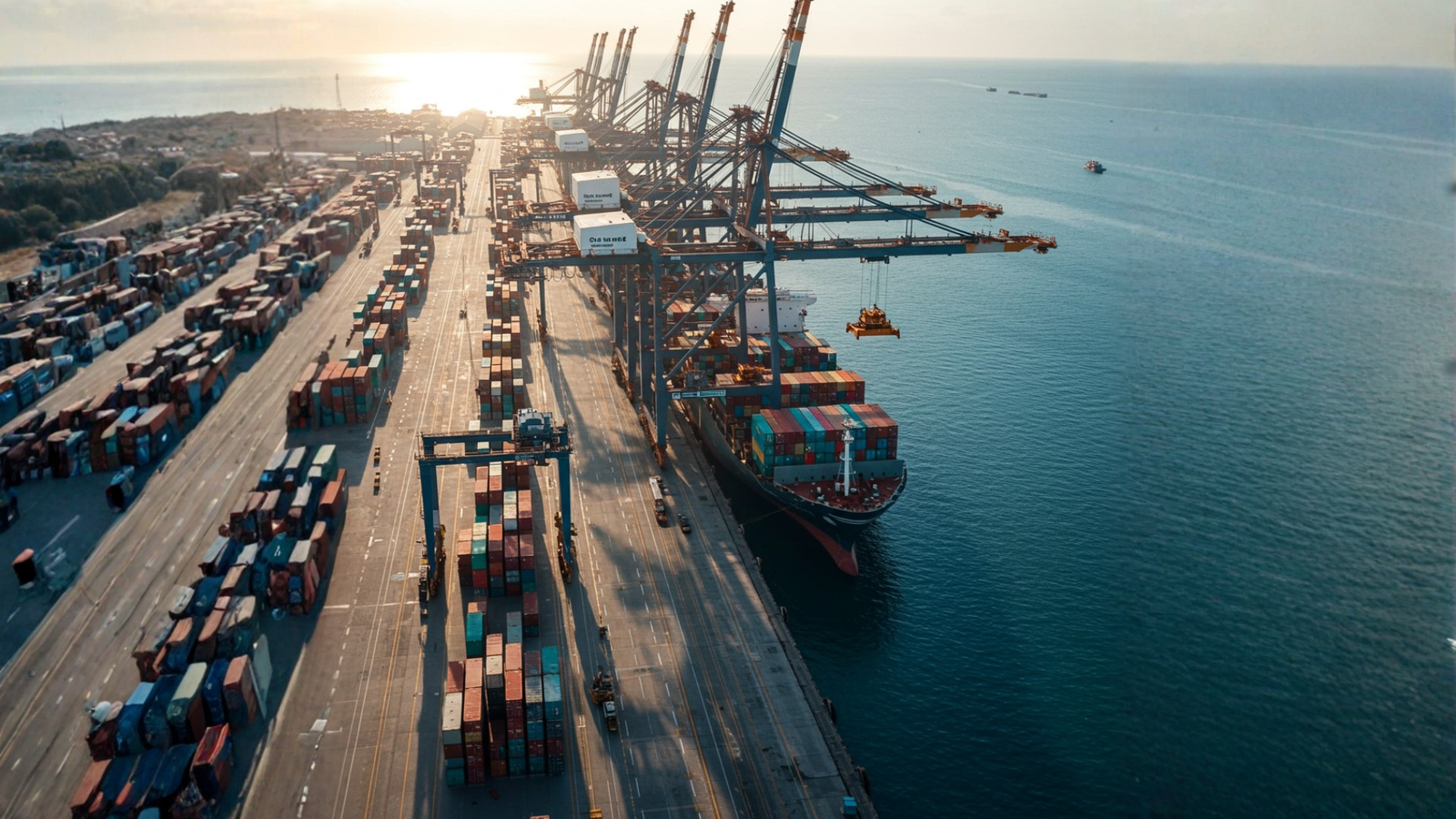
Navigating Worldwide Shipping: Your Guide to International Container Solutions
In today’s interconnected global economy, the efficiency of worldwide shipping is paramount for businesses in Singapore and across the Asia Pacific. Whether you’re moving goods across oceans or managing complex supply chains, understanding the intricacies of container logistics is crucial. This comprehensive guide will help business owners, project managers, procurement teams, and logistics professionals navigate the world of global shipping. It covers everything from acquiring the right containers to ensuring seamless overseas delivery.
The movement of goods via international shipping containers forms the backbone of global commerce. These robust, standardised units facilitate the secure and efficient transport of virtually every product imaginable, making efficient logistics and reliable equipment vital for anyone involved in international trade or requiring secure storage solutions.
The Foundation of Global Trade: Understanding Shipping Containers
Shipping containers are more than just steel boxes; they are critical assets enabling the seamless flow of goods for worldwide delivery. Designed to withstand the rigours of sea voyages, rail transport, and road hauls, their standardisation has revolutionised global supply chains.
Standard ISO Containers: The Workhorses of Overseas Delivery
The most common types are the 20-foot and 40-foot General Purpose (GP) containers, built to ISO standards. These containers are essential for everyday overseas delivery, offering reliable and cost-effective transport for a vast array of dry goods. Their robust construction protects cargo from environmental elements and physical damage during transit. This is particularly important when traversing diverse climates from the humid tropics of Southeast Asia to cooler regions.
- 20-foot GP Containers: Approximately 6.1 metres long, ideal for smaller shipments or when space is a premium, often used for consolidated cargo.
- 40-foot GP Containers: Approximately 12.2 metres long, offering double the capacity, perfect for bulkier items or larger volumes.
- 40-foot High Cube Containers: Similar length to GP containers but with an extra foot (approx. 30 cm) in height, providing additional volumetric capacity for lighter, taller cargo.
Specialised Containers for Diverse Cargo Requirements
Beyond standard containers, a range of specialised units caters to specific cargo needs, crucial for various industries within the Asia Pacific:
- Refrigerated Containers (Reefers): Essential for the cold-chain logistics industry, especially vital in Southeast Asia for transporting perishable goods like seafood, fruits, vegetables, and pharmaceuticals. Reefers maintain precise temperature control, ensuring goods arrive fresh and compliant with food safety standards.
- Open Top Containers: Designed for cargo that is too tall to load through the container doors, such as machinery or large construction components. These containers have a removable tarpaulin roof, allowing for loading from the top using cranes.
- Flat Rack Containers: Ideal for oversized or irregularly shaped cargo, including heavy machinery, vehicles, or large industrial equipment. They feature end walls but no side walls or roof, facilitating easy loading and unloading.
- Tank Containers: Used for transporting liquids, gases, and powders, ensuring safe containment during their global shipping journey.
Buying vs. Leasing: Choosing the Right Container Strategy for International Shipping
Deciding whether to buy or lease shipping containers is a strategic decision. It depends on your business’s operational needs, financial model, and long-term goals. Both options offer distinct advantages for managing your international shipping requirements.
When to Buy Containers for Worldwide Delivery
Purchasing containers is often preferred by businesses with consistent, high-volume shipping needs or those planning extensive modifications and repurposing projects. Buying offers these benefits:
- Ownership & Control: Full control over the container’s use, modifications, and long-term depreciation as an asset.
- Cost-Effectiveness (Long-Term): Can be more economical over several years compared to continuous leasing, especially for dedicated routes or storage.
- Repurposing Potential: Ideal for projects involving container conversions into offices, retail spaces, or modular buildings, common in Singapore’s innovative urban landscape or for remote construction sites.
Advantages of Leasing for Flexible Overseas Delivery Needs
Leasing provides flexibility and can be particularly beneficial for fluctuating demands, short-term projects, or when capital expenditure needs to be minimised. Key leasing advantages include:
- Flexibility: Easily scale up or down your container fleet based on project requirements or seasonal shipping volumes for worldwide delivery.
- Lower Upfront Costs: Reduces initial capital outlay, freeing up funds for other business investments.
- Maintenance & Repairs: These are often included or managed by the leasing company, reducing your operational burden and ensuring containers meet compliance for global shipping.
- Access to Newer Units: Opportunity to use well-maintained or newer containers without the burden of long-term asset management.
Container Acquisition Options: A Comparison
| Feature | Buying Containers | Leasing Containers |
|---|---|---|
| Initial Cost | High capital outlay | Lower monthly payments |
| Flexibility | Lower, fixed asset | High, adjustable to demand |
| Maintenance | Your responsibility | Often handled by lessor |
| Ownership | Full ownership, asset on balance sheet | No ownership, operational expense |
| Long-term Use | Ideal for permanent needs & modifications | Best for temporary or fluctuating needs |
| Capital Allocation | Ties up capital | Preserves capital |
Ensuring Container Readiness for Global Shipping: Maintenance, Repairs, and Re-inspection
The reliability of your containers directly impacts the success of your worldwide shipping operations. Regular maintenance, timely repairs, and mandatory re-inspections are non-negotiable for safe and compliant global shipping.
Essential Container Repair and Maintenance for Seamless Worldwide Delivery
Containers endure harsh conditions. Dents, rust, and door seal damage are common. Prompt repairs are crucial to prevent cargo damage and ensure containers remain seaworthy. This includes:
- Structural Repairs: Addressing damage to walls, roof, or frame to maintain structural integrity.
- Door & Locking Mechanism Repairs: Ensuring doors seal correctly to protect cargo from water and pests, and locks function securely for safe overseas delivery.
- Floor Repairs: Fixing damaged flooring to prevent collapse and ensure safe loading/unloading.
- Cleaning: Essential for maintaining hygiene, especially after carrying specific cargo, and preparing for future shipments.
The Importance of Re-inspection (CSC Plate, ISO Standards) for International Transport
For any container to be used in international shipping, it must hold a valid Convention for Safe Containers (CSC) plate. This plate certifies that the container meets international safety standards and has been inspected within the last five years. Regular re-inspection is not just a regulatory requirement; it is a critical safety measure:
- Safety Assurance: Ensures the container is structurally sound and safe for handling and stacking.
- Regulatory Compliance: Avoids delays and penalties at ports worldwide, ensuring smooth passage for your worldwide delivery.
- Cargo Protection: A well-maintained and certified container provides optimal protection for your valuable cargo.
Beyond Transport: Repurposing Containers for Local & Regional Applications
While their primary role is in worldwide shipping, containers offer incredible versatility for static applications. Their modularity, durability, and cost-effectiveness make them ideal for innovative repurposing projects across Singapore and the broader Asia Pacific region.
Innovative Uses in Singapore and Asia Pacific
- Pop-up Retail & F&B: Fashionable and quick-to-deploy retail spaces or cafes at events, festivals, or temporary commercial zones.
- Site Offices & Accommodation: Durable and portable solutions for construction sites, remote project locations, or disaster relief efforts.
- Secure Storage Solutions: On-site storage for tools, equipment, or inventory, providing robust protection against theft and weather.
- Modular Housing & Dormitories: A sustainable and efficient approach to creating worker accommodation or even urban housing in space-constrained cities.
- Event Booths & Exhibition Spaces: Easily transportable and customisable units for trade shows or public events.
Navigating the Logistics of International Container Movement: Key Considerations
Successful international shipping requires meticulous planning and execution. Here are key considerations for businesses engaging in global shipping:
- Cargo Preparation and Documentation: Ensure your cargo is properly packed, secured, and accompanied by accurate documentation (bill of lading, commercial invoice, packing list). This helps to avoid customs delays.
- Customs and Regulations: Familiarise yourself with the import and export regulations of both the origin and destination countries. This is especially complex across diverse APEC economies, each with unique requirements.
- Choosing the Right Partner: Select a reliable logistics partner with local expertise in Singapore and a strong network for worldwide delivery. They can manage customs clearance, freight forwarding, and local transport.
- Insurance: Secure comprehensive cargo insurance to protect against unforeseen circumstances like damage, loss, or theft during transit.
- Tracking and Visibility: Utilise advanced tracking systems to monitor your container’s journey in real-time. This provides transparency and enables proactive problem-solving for your overseas delivery.
Partnering for Seamless Global Shipping Solutions
Mastering worldwide shipping and container management is critical for operational success. Strategic planning is essential, from choosing the right container for your cargo to ensuring its readiness for international travel and exploring its innovative repurposing potential. Whether you are buying, leasing, or require services for container repair and re-inspection, having a trusted partner is invaluable.
We understand the complexities of global shipping and offer tailored solutions to meet your specific needs across Singapore and the Asia Pacific region. Contact us today for a consultation or to request a quote. Our team of experts is ready to assist you in optimising your container logistics, ensuring efficient, compliant, and cost-effective international shipping for your business.