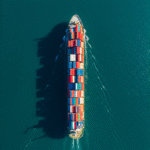

Navigating China-US Shipping: Your Definitive Guide to Importing from and Exporting to the United States
The trade corridor between China and the United States represents one of the world’s most vital and complex supply chains. For businesses engaged in this dynamic relationship, mastering the intricacies of international shipping is not just an advantage—it’s a necessity. From understanding customs regulations to selecting the right carrier, every decision impacts efficiency, cost, and ultimately, profitability.
This definitive guide provides a comprehensive overview of China-US shipping, covering both the inbound journey of China shipments to US destinations and the outbound process for the best way to ship to China from USA. Whether you’re an established importer, an emerging e-commerce exporter, or simply seeking the best shipping company from China to USA, this resource will equip you with the knowledge to navigate this critical trade lane with confidence.
Part 1: Importing from China to the USA: Your Guide to China Shipments to US
The process of bringing goods from China into the US can be daunting without a clear understanding of the steps involved. This section demystifies China shipments to US, offering practical insights into modes of transport, cost considerations, customs compliance, and selecting the ideal logistics partner.
Understanding China Shipments to US: An Overview of the Import Process
Shipping from China to USA involves a series of coordinated steps, from factory gates in China to warehouses across the United States. A typical import journey includes:
- Preparation & Documentation: Ensuring all commercial invoices, packing lists, and necessary licenses are meticulously prepared.
- Origin Logistics: Efficiently moving goods from the manufacturing facility to the designated Chinese port or airport.
- Main Carriage: The primary transit phase via ocean or air freight across the Pacific.
- Customs Clearance in the US: Navigating the stringent regulations set forth by U.S. Customs and Border Protection (CBP).
- Destination Logistics: The final delivery leg from the US port/airport to your specified receiving location.
Choosing Your Shipping Method for Shipping from China to USA: Ocean, Air, Rail, and Express
The best way to ship from China to USA depends heavily on your cargo’s characteristics, urgency, and budget. Strategic selection of a shipping method is paramount for optimizing your supply chain.
- Ocean Freight (Sea Cargo):
- Pros: The most cost-effective option for large, heavy, or bulky shipments; generally boasts a lower carbon footprint per ton-mile.
- Cons: Characterized by the slowest transit times, typically ranging from 20 to 45 days, requiring significant lead time.
- Types: Full Container Load (FCL) offers exclusive use of a container, ideal for larger volumes. Less than Container Load (LCL) allows smaller shipments to share container space, making it economical for less-than-full container loads.
- Air Cargo:
- Pros: Offers the fastest transit times, usually between 3 to 10 days; indispensable for high-value, time-sensitive, or perishable goods.
- Cons: Significantly more expensive than ocean freight; subject to strict weight and size limitations.
- Rail Freight (Trans-Siberian/Trans-Continental):
- Pros: Generally faster than ocean but more cost-effective than air for specific routes (e.g., China to Europe/Central Asia, then onward to US via ocean/rail for multimodal strategies).
- Cons: Limited direct routes for China-US trade, often necessitating complex multimodal coordination.
- Express Courier Services (e.g., FedEx, UPS, DHL):
- Pros: Provides comprehensive door-to-door service with rapid transit (2-7 days); excellent real-time tracking capabilities, and often handles customs formalities for smaller packages.
- Cons: The most expensive option for heavier shipments; primarily suited for documents, samples, or small parcels.
Estimating Shipping Costs China to USA: Factors Influencing Your Budget
Accurately calculating shipping costs China to USA requires a thorough understanding of numerous variables that can impact your final budget. These include:
- Mode of Transport: As noted, air freight is inherently more expensive than ocean freight.
- Cargo Volume & Weight: Denser or larger cargo typically incurs higher costs. For ocean freight, cubic meters (CBM) are the primary metric, while air freight uses chargeable weight (the greater of volumetric or actual weight).
- Origin & Destination: The specific ports/airports involved and associated inland transportation costs in both China and the US.
- Incoterms®: The chosen Incoterm (e.g., EXW, FOB, CIF, DDP) dictates who is responsible for which costs and at what stage of the journey.
- Fuel Surcharges: These variable charges fluctuate with global fuel prices and can significantly affect China to US freight costs.
- Customs Duties & Taxes: Includes tariffs, the Merchandise Processing Fee (MPP), and the Harbour Maintenance Fee (HMF) levied by US Customs.
- Insurance: An essential cost for protecting your investment against unforeseen events.
- Ancillary Charges: This category covers a range of additional fees such as Terminal Handling Charges (THC), documentation fees, warehousing costs, and demurrage/detention charges.
Engaging with a reliable freight forwarder is crucial for obtaining a transparent and detailed breakdown of these China to US freight costs.
Navigating Customs Clearance China USA and Regulations
Customs clearance China USA is a pivotal and often complex stage of the import process. Non-compliance can result in severe penalties, including delays, substantial fines, or even the seizure of goods. Key elements to master include:
- Importer of Record (IOR): The legally designated entity (usually the buyer) responsible for all customs duties, taxes, and regulatory compliance.
- Harmonized Tariff Schedule (HTS) Codes: Accurate classification of your products using the correct HTS codes is fundamental for precise duty assessment and avoiding misdeclarations.
- Required Documentation: This typically includes a Commercial Invoice, Packing List, Bill of Lading (BOL) for ocean shipments or an Air Waybill (AWB) for air cargo, an Entry Summary (CBP Form 7501), and potentially other specific permits or licenses (e.g., FDA approval for food/medical products, FCC certification for electronics).
- Customs Bond: Mandatory for imports valued over $2,500, this bond guarantees the payment of duties and taxes to the US government.
- Partner Government Agencies (PGAs): Depending on the nature of your product, compliance with agencies such as the FDA, EPA, DOT, CPSC, and others may be required, necessitating additional documentation and adherence to specific standards.
The Role of Freight Forwarders: Selecting Your Ideal Partner for China to USA Shipping
For the majority of businesses, partnering with a professional freight forwarder represents the best way to ship from China to USA. They act as orchestrators, coordinating all logistical aspects of your China to US logistics. When actively searching for the best shipping company from China to USA, consider the following critical criteria for selection:
- Experience & Reputation: Prioritize firms with a proven and extensive track record specifically within the China-US trade lane. Testimonials and industry recognition can be strong indicators.
- Network & Partnerships: Evaluate their relationships with major carriers (ocean lines, airlines) and customs brokers, as a robust network ensures broader service options and potentially better rates.
- Services Offered: Confirm they provide the full spectrum of services you require, including FCL/LCL, air freight, customs brokerage, warehousing solutions, and final mile delivery. Comprehensive shipping companies China to USA can be a significant asset.
- Technology & Tracking: Modern freight forwarders should offer advanced technology for real-time shipment visibility, online portals, and proactive communication. This is crucial for reliable China to USA logistics.
- Customer Service: Assess their responsiveness, communication clarity, and proactive approach to problem-solving. A dedicated and efficient support team is invaluable.
- Pricing Transparency: Demand clear, itemized quotes that provide a full breakdown of all potential costs, enabling effective compare shipping rates China USA and preventing hidden fees.
- Specialization: Some international freight forwarder China USA firms specialize in specific industries or cargo types. If your goods have unique requirements (e.g., hazardous materials, oversized cargo), seek out specialists.
Choosing among top shipping services China to US based on these criteria ensures you secure a partner that can truly optimize your supply chain.
Special Focus: Shipping from Shanghai to USA – What You Need to Know
Shanghai stands as a global powerhouse in trade, home to the world’s busiest container port (Port of Shanghai) and a major international airport (Shanghai Pudong International Airport, PVG). Consequently, shipping from Shanghai to USA is an extremely frequent and highly competitive route.
- Advantages: Businesses benefit from a very high frequency of sailings and flights, an extensive array of carrier options, and highly developed, efficient infrastructure.
- Considerations: Despite its efficiency, the port can experience significant congestion, particularly during peak seasons or major holidays. Engaging a robust network of local Shanghai freight forwarder USA specialists is crucial for navigating origin logistics effectively.
- Key Services: Many logistics Shanghai to USA providers can offer tailored solutions, leveraging the vast capabilities of the Port of Shanghai shipping. This includes expedited ocean freight Shanghai to US options and swift air cargo Shanghai to US services.
Essential Documentation for China-US Imports
Accurate and complete documentation is not merely a formality; it is a critical prerequisite for seamless import from China to USA operations. Key documents typically include:
- Commercial Invoice: A detailed record of the transaction between buyer and seller.
- Packing List: Specifies the contents of each package, including dimensions and weights.
- Bill of Lading (for ocean) or Air Waybill (for air): The contract between the shipper and the carrier, acting as a receipt for goods.
- Certificate of Origin: Confirms the country where the goods were produced, often required for preferential tariffs.
- Importer Security Filing (ISF): Mandated for ocean shipments, this must be submitted to CBP at least 24 hours before cargo is loaded onto the vessel in China.
- Customs Bond: A financial guarantee to CBP for duties, taxes, and fees.
- Any Required Permits, Licenses, or Certificates from PGAs: Product-specific documents mandated by various US government agencies.
Part 2: Exporting from the USA to China: The Best Way to Ship to China from USA
Exporting goods from the United States to China presents its own distinct set of challenges and opportunities. Understanding the best way to ship to China from USA involves navigating specific Chinese import regulations, judiciously selecting appropriate carriers, and meticulously managing documentation.
Finding the Best Way to Ship to China from USA: Export Essentials
Whether you’re dispatching commercial goods, fulfilling e-commerce orders, or sending personal effects, successful ship from USA to China operations are predicated on meticulous planning and adherence to regulatory frameworks. The export process generally mirrors imports but places a specific emphasis on satisfying Chinese import requirements.
Selecting Your Export Method for Shipping from USA to China: Air, Ocean, and Courier
Similar to imports, the optimal choice of method for your USA to China freight is determined by factors such as urgency, cargo size, and budget considerations. When seeking the best international shipping USA to China options, consider:
- Ocean Freight: The most economical solution for large, non-urgent shipments. Transit times typically range from 25 to 50 days.
- Air Cargo: The fastest option, usually delivering in 5 to 10 days, making it ideal for time-sensitive or high-value commodities. It is, however, more costly than ocean freight.
- Express Courier Services: Offers expedited, door-to-door service (3-7 days), perfectly suited for smaller parcels, documents, and samples, often including integrated customs handling services.
Calculating Shipping Cost USA to China: Key Factors
The shipping cost USA to China will fluctuate considerably based on a combination of factors. Understanding these elements is crucial for accurate budgeting:
- Chosen Service: Express services are the most expensive, followed by air freight, with ocean freight being the most economical.
- Weight and Dimensions: Volumetric weight rules often apply for air and express shipments, meaning the cost is based on the greater of the actual weight or the dimensional weight.
- Origin and Destination: The specific pick-up and delivery points in the US and China, along with the distance and accessibility, influence pricing.
- Incoterms®: The selected Incoterm clearly defines which party bears the cost and risk at each stage of the journey.
- Chinese Import Duties & Taxes: These are specific to the product category and can represent a significant portion of the total cost.
- Fuel Surcharges & Other Fees: Additional charges include terminal handling, security fees, and documentation charges.
It is imperative to secure a clear, itemized quote from your chosen carrier or freight forwarder that comprehensively breaks down all potential charges for USA to China freight.
Understanding China Customs Regulations USA Export and Duties
China maintains a comprehensive and often stringent set of import regulations. When you export to China from USA, it is vital to be thoroughly prepared for:
- Customs Valuation: Chinese customs authorities independently determine the value of imported goods, which forms the basis for duty assessment.
- Harmonized System (HS) Codes: Precise classification using the correct HS codes is paramount for accurate duty rates, proper compliance, and avoiding delays.
- Import Licenses/Quotas: Certain categories of goods may necessitate specific import licenses or could be subject to quantity quotas imposed by the Chinese government.
- Certifications & Standards: Products such as electronics, medical devices, cosmetics, and food items frequently require China Compulsory Certification (CCC) or other specific approvals and quality standards to enter the market.
- Pre-shipment Inspections: For particular product categories, mandatory pre-shipment inspections may be required by designated agencies.
- Value-Added Tax (VAT): A significant tax levied on most imported goods into China, typically at a standard rate of 13% for general merchandise.
- Consumption Tax: An additional tax applicable to specific luxury items, alcohol, tobacco, and other designated goods.
Working closely with a knowledgeable freight forwarder or customs broker who possesses extensive experience in China customs regulations USA export is highly recommended to mitigate risks and avoid costly delays.
Required Documentation for USA-China Exports
For a seamless send package to China from USA operation, ensuring you have all necessary documentation accurately prepared and submitted is non-negotiable. Key documents typically include:
- Commercial Invoice: Essential for customs valuation and description of goods.
- Packing List: Provides details about the contents of each package, weight, and dimensions.
- Bill of Lading or Air Waybill: The transportation contract and receipt for the goods.
- Export License: Required for certain controlled goods or technologies originating from the US.
- Certificate of Origin: May be needed for duty preferences or to prove the goods’ national origin.
- Power of Attorney: If utilizing a customs broker to act on your behalf in China.
- Any Necessary Product-Specific Certifications or Permits: As mandated by Chinese regulations for specific goods.
Tips for a Smooth Export Process
- Due Diligence: Thoroughly research and understand all Chinese import requirements specific to your product category before shipping.
- Partner Wisely: Select an experienced logistics partner intimately familiar with the intricacies of the Chinese market and its regulations.
- Clear Labeling: Ensure all packages are clearly and accurately labeled with complete addresses, contact information, and customs declarations.
- Insurance: Always obtain comprehensive cargo insurance to protect your shipments against potential loss or damage during transit.
- Communication: Maintain open and proactive communication with your consignee in China to swiftly address any potential issues or requests from customs.
Part 3: General China-US Shipping Considerations & Logistics
Beyond the specifics of importing and exporting, several overarching factors influence the entire China shipping USA landscape. A comprehensive understanding of these considerations can significantly enhance the efficiency and resilience of your China US logistics strategy.
Incoterms®: Defining Responsibilities in China US Logistics
Incoterms® (International Commercial Terms) are a globally recognized set of rules published by the International Chamber of Commerce (ICC). They are instrumental in clarifying the responsibilities of buyers and sellers for the delivery of goods under sales contracts in China US logistics and other international trade routes. Incoterms define:
- Who pays for what: Specifies which party is responsible for costs such as transport, loading, unloading, and insurance at different stages.
- Where risk transfers: Crucially, they delineate the precise point at which liability for damage or loss to the goods shifts from the seller to the buyer.
Common Incoterms encountered in China USA trade routes include:
- EXW (Ex Works): The buyer assumes all responsibility and costs from the seller’s factory gate.
- FOB (Free On Board): The seller is responsible until the goods are loaded onto the vessel at the port of origin.
- CIF (Cost, Insurance and Freight): The seller pays for the goods, insurance, and freight costs to the named port of destination.
- DDP (Delivered Duty Paid): The seller bears all costs and risks, including customs duties and taxes, until the goods are delivered to the buyer’s designated premises.
Choosing the appropriate Incoterm is a critical decision for managing financial liabilities and risks in your international shipping China USA operations.
Cargo Insurance: Protecting Your Investment
While carriers operate with limited liability based on international conventions, their compensation rarely covers the full commercial value of your goods in the event of loss or damage. Investing in comprehensive cargo insurance for your China shipping USA shipments is a prudent business decision. It provides essential protection against a wide range of risks, including loss, damage, and theft during transit, offering invaluable peace of mind and financial security.
Tracking and Visibility Across China USA Trade Routes
In today’s interconnected and fast-paced global supply chain, real-time tracking and granular visibility are paramount for effective China US logistics. Modern shipping solutions China USA leverage advanced technologies to offer:
- Online Portals: Centralized dashboards for monitoring the status and location of shipments across various legs of the journey.
- Automated Notifications: Proactive updates via email or SMS regarding key milestones or potential delays.
- GPS Tracking: For containers and vehicles, providing precise location data.
High visibility empowers businesses with the ability to undertake proactive problem-solving, optimize inventory management, and significantly enhance overall customer satisfaction by providing accurate delivery estimates.
Current Challenges and Future Trends in International Shipping China USA
The international shipping China USA landscape is a dynamic environment, constantly shaped by geopolitical, economic, and technological forces. Recent challenges have significantly impacted China US logistics:
- Supply Chain Disruptions: Persistent port congestion, labor shortages, and unforeseen global events (e.g., the Suez Canal blockage, geopolitical tensions) continue to pose challenges.
- Rising Costs: Businesses contend with volatile freight rates, fluctuating fuel surcharges, and increased operational expenses across the board.
- Environmental Regulations: Growing global pressure mandates more sustainable shipping solutions China USA and stricter regulations aimed at reducing carbon emissions.
Looking ahead, future trends point towards transformative advancements in China shipping USA:
- Digitization & Automation: The increased adoption of Artificial Intelligence (AI), Internet of Things (IoT), and blockchain technology promises improved efficiency, enhanced transparency, and predictive analytics.
- Resilience & Diversification: A strategic shift away from single-source reliance and a greater exploration of alternative trade routes and manufacturing locations to build more resilient supply chains.
- Sustainability: A heightened demand for “green logistics” and the development of carbon-neutral shipping options will become increasingly prevalent.
Staying well-informed about these evolving developments is absolutely key to maintaining a competitive edge and optimizing your China US logistics strategy.
Frequently Asked Questions (FAQ) about China-US Shipping
To further assist businesses navigating this complex trade lane, here are answers to some commonly asked questions regarding China-US shipping:
What are the primary shipping methods between China and the US?
The main methods are Ocean Freight (for large, heavy, non-urgent shipments, typically 20-45 days), Air Cargo (for time-sensitive, high-value goods, typically 3-10 days), and Express Courier Services (for small parcels, samples, door-to-door, typically 2-7 days). Rail freight is also an option for multimodal routes.
How are China-US shipping costs determined?
Shipping costs depend on the chosen method, cargo volume and weight, specific origin and destination points, current fuel surcharges, Incoterms® used, and any additional charges like terminal handling fees or cargo insurance. For imports, US customs duties and taxes are also significant cost factors for China to US freight.
What are the critical documents required for customs clearance for both imports and exports?
For China-US imports, essential documents include the Commercial Invoice, Packing List, Bill of Lading/Air Waybill, Importer Security Filing (ISF – ocean only), Customs Bond, and any product-specific permits/licenses (e.g., FDA, FCC). For USA-China exports, you’ll need the Commercial Invoice, Packing List, Bill of Lading/Air Waybill, Export License (if applicable), and any specific certifications required by Chinese customs (e.g., CCC). Understanding Customs clearance China USA and China customs regulations USA export is paramount for smooth operations.
How long does it typically take for goods to travel from China to the USA, or vice versa?
Ocean freight usually takes 20-45 days for China shipments to US and 25-50 days for exports from the USA to China. Air cargo is much faster, ranging from 3-10 days for both directions. Express courier services offer the quickest transit, typically 2-7 days. These times can vary due to port congestion, customs delays, and specific routes for international shipping China USA.
Why are Incoterms® important in international trade, and which ones are commonly used for China-US routes?
Incoterms® are crucial because they clearly define the responsibilities of the buyer and seller regarding shipping costs, insurance, and the point at which risk transfers from one party to another. This prevents misunderstandings and disputes. Common Incoterms for China USA trade routes include EXW (Ex Works), FOB (Free On Board), CIF (Cost, Insurance, and Freight), and DDP (Delivered Duty Paid), each allocating different levels of responsibility to the buyer and seller in China US logistics.
Conclusion
Navigating the complexities of China-US shipping demands a clear strategy, robust partnerships, and a deep understanding of international logistics. Whether you are importing China shipments to US or determining the best way to ship to China from USA, success hinges on meticulous planning and informed decision-making.
By leveraging insights into shipping methods, cost drivers, customs compliance, and selecting the best shipping company from China to USA (or from the US to China), businesses can optimize their supply chains and unlock new opportunities in this vital trade corridor. From the bustling shipping from Shanghai to USA routes to intricate customs declarations, every detail matters in China US logistics.
Ready to streamline your China-US shipping operations?
Our team of experts is equipped with the knowledge and network to provide tailored China US logistics solutions that meet your specific needs. Contact us today for a personalized consultation and discover how we can help you move your goods efficiently and cost-effectively across borders, ensuring your international shipping China USA endeavors are a success.