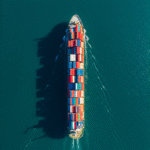


The Critical Role of Ocean Cargo Shipping in Asia Pacific Trade
In the dynamic landscape of global commerce, efficient logistics are the backbone of success. For businesses operating within Singapore and across the vast Asia Pacific region, understanding and optimising ocean cargo shipping is crucial. It is not just an advantage—it’s a necessity. From raw materials to finished goods, the movement of merchandise across oceans through sea cargo powers economies, connects markets, and facilitates growth. This article delves into the world of international ocean cargo. It highlights its importance and how reliable container solutions are pivotal to seamless trade.
Understanding Ocean Cargo and Sea Cargo Services
Ocean cargo, often interchangeably referred to as sea cargo, encompasses the transportation of goods via shipping vessels across seas and oceans. It is by far the most dominant mode for international freight, carrying over 80% of global trade volume. For businesses in the Asia Pacific, most imports and exports will, at some point, travel in a shipping container. They move on a large vessel.
What is Ocean Cargo?
At its core, ocean cargo refers to the system of transporting bulk quantities of goods across international waters using specialised ships. This method is crucial for its capacity to move large volumes of freight economically over long distances. Whether importing electronics components from China to Malaysia, exporting durians from Thailand to Singapore, or sending manufactured goods from Vietnam to Australia, ocean cargo services provide an essential link. These services are crucial for your supply chain.
Key Benefits for Asia Pacific Businesses
- Cost-Effectiveness: Compared to air freight, ocean cargo is significantly more economical for large volumes and heavy goods, making it the preferred choice for most commercial shipments.
- High Capacity: Modern container ships can carry thousands of TEUs (Twenty-foot Equivalent Units), offering unparalleled capacity for diverse cargo types.
- Environmental Considerations: While not without impact, shipping containers for ocean cargo often have a lower carbon footprint per tonne-kilometre compared to other freight methods.
- Global Reach: Virtually every major port in the world is accessible via ocean cargo routes, providing extensive connectivity for international trade.
Navigating International Ocean Cargo: Essential Considerations
Successfully managing your international ocean cargo requires more than just booking a shipment. It involves strategic decisions about the containers themselves, their maintenance, and their lifecycle. For businesses, project managers, and logistics teams, ensuring the right container infrastructure is vital. It is as important as selecting the right freight forwarder.
Choosing the Right Shipping Container
The type and condition of your shipping container directly impact the safety and integrity of your goods during transit.
- Standard Dry Containers: These are the most common, used for general cargo that doesn’t require temperature control. Available in standard sizes like 20-foot and 40-foot.
- Refrigerated (Reefer) Containers: Essential for temperature-sensitive cargo such as perishables, pharmaceuticals, or certain chemicals, critical for cold chain logistics in tropical climates like Singapore and Indonesia.
- Specialised Containers: Open-top, flat rack, or high cube containers cater to oversized, heavy, or irregularly shaped cargo, often seen on construction sites for machinery or industrial projects.
Businesses often need to decide between purchasing new or used units, or leasing them. Each option has its own financial and operational implications, depending on the frequency of use and specific project needs.
Container Logistics and Management
Beyond the initial acquisition, the ongoing management of shipping containers is vital. This includes:
- Leasing vs. Buying: Leasing offers flexibility and lower upfront costs for short-term projects or fluctuating demands. This option is popular for event setups or temporary storage at construction sites in places like Kuala Lumpur or Manila. Buying provides long-term assets for consistent needs, offering full control and potential for customisation.
- Storage: Secure and accessible storage facilities are necessary for empty units or those temporarily held before or after shipment.
- Maintenance and Repairs: Containers endure harsh conditions at sea. Regular inspections, repairs, and maintenance are crucial. These ensure they remain cargo-worthy and compliant with international shipping standards. A damaged container can lead to delays, cargo loss, and hefty penalties.
- Re-inspection (CSC Plating): Shipping containers require periodic re-inspection and certification (CSC plate validity) to ensure they meet safety standards for international transport. Without a valid CSC plate, a container cannot be loaded onto a vessel for international ocean cargo shipping.
Real-World Applications of Shipping Containers Beyond Transport in Singapore & APAC
While their primary purpose is sea cargo, shipping containers are incredibly versatile. Their robust, modular design makes them ideal for repurposing into a variety of solutions across the Asia Pacific region:
- Construction Site Solutions: In Singapore’s bustling construction industry or for large infrastructure projects in Vietnam, units are often converted into temporary offices, secure tool storage units, or even portable worker accommodation.
- Pop-Up Retail and F&B: Trendy cafes, retail boutiques, and food stalls in urban centres like Bangkok or tourist hubs in Bali often leverage repurposed containers for their unique, portable, and cost-effective structures.
- Cold Chain Logistics and Storage: Beyond just shipping, reefer containers are used as static cold storage units for food manufacturers, distributors, and logistics hubs handling perishables across Southeast Asia.
- Event Infrastructure: For major events or festivals, containers can be rapidly deployed as ticket booths, first-aid stations, or temporary control rooms.
- Modular Accommodation and Offices: For remote project sites or temporary housing needs, containers offer quick and durable solutions.
Optimising Your Ocean Cargo Operations: Tips for Businesses
To ensure smooth ocean cargo services and efficient container management, consider these practical tips:
- Plan Ahead: Book your container and shipping slot well in advance, especially during peak seasons, to avoid delays and higher costs.
- Understand Container Types: Always select the appropriate container type for your cargo’s specific needs (e.g., reefer for temperature-controlled goods, open-top for oversized items).
- Consider Leasing Options: If your container needs fluctuate or you have specific project durations, leasing can provide significant flexibility and cost savings over outright purchase.
- Prioritise Container Maintenance: Regular inspections and timely repairs are crucial. A well-maintained container prevents cargo damage and ensures compliance for international shipping.
- Partner with Reliable Suppliers: Choose a reputable partner for your container sales, leasing, repairs, and modification needs. A trusted provider ensures quality, compliance, and timely support.
Frequently Asked Questions about Ocean Cargo & Containers
- What’s the difference between FCL and LCL?
- FCL (Full Container Load) means your cargo occupies an entire shipping container. LCL (Less than Container Load) means your cargo shares container space with other shippers’ goods, and you only pay for the space your items occupy. FCL is generally more cost-effective for larger shipments, while LCL suits smaller volumes.
- How are container sizes standardised?
- Shipping containers adhere to international ISO standards. The most common sizes are 20-foot (6.1 metres) and 40-foot (12.2 metres) long, both typically 8 feet (2.44 metres) wide and 8 feet 6 inches (2.59 metres) high. High cube containers are 9 feet 6 inches (2.9 metres) high.
- What is a reefer container used for?
- Reefer containers are refrigerated units used to transport temperature-sensitive cargo such as fresh produce, meat, seafood, dairy products, pharmaceuticals, and certain chemicals. They are essential for maintaining cold chains, especially in tropical regions.
- Can I convert a shipping container for other uses?
- Absolutely. Shipping containers are highly sought after for conversion into various structures like modular homes, retail shops, cafes, offices, storage facilities, and workshops due to their durability, portability, and relatively low cost. This trend is particularly popular in urban development and for creative business ventures across Asia Pacific.
Your Partner for Container Solutions in Asia Pacific
The efficiency of your ocean cargo operations and project success often hinge on the quality and availability of your shipping containers. Navigating complex international ocean cargo, seeking reliable sea cargo services, or repurposing units for innovative applications all benefit from a trusted partner. This partnership is invaluable.
At MyBrand, we understand the diverse needs of businesses across Singapore and the broader Asia Pacific region. We offer a comprehensive range of container solutions, including the sale and leasing of new and used shipping containers. Our services extend to expert repair, crucial re-inspection and CSC plating, and custom modification for various purposes. Our commitment is to provide robust, compliant, and cost-effective container solutions that support your logistics and operational demands.
Connect with our team to discuss your specific container requirements. You can also obtain a detailed quote or schedule a site visit in Singapore or the Asia Pacific region. Let us help you find the ideal container solution to keep your business moving forward.