
So, you’re looking to get goods from China to the US? It sounds simple enough, right? Well, it can get pretty complicated, pretty fast. There are a bunch of different ways to ship your stuff, each with its own pros and cons. Plus, there’s all the paperwork and figuring out who’s handling what. This guide is here to break down the whole process of freight shipping from China to USA, making it way less confusing so you can get your products where they need to go without losing your mind.
Key Takeaways
- When you’re shipping from China to the USA, you’ve got options like ocean freight (cheaper, slower), air freight (faster, pricier), and express shipping (quickest, most expensive). Pick the one that fits your budget and how fast you need your stuff.
- The total cost for freight shipping from China to USA includes a bunch of things: the actual shipping cost, fees at the port, customs duties, taxes, and insurance. It’s not just one flat fee.
- A freight forwarder is like your guide through the whole shipping maze. They handle a lot of the legwork, like booking, paperwork, and solving problems, making freight shipping from China to USA much smoother.
- You’ll need important documents like a commercial invoice, packing list, and a bill of lading or air waybill. Making sure these are correct is super important to avoid delays.
- Expect potential issues like customs delays, port backups, and changing shipping costs. Having a good freight forwarder helps you deal with these challenges when freight shipping from China to USA.
Understanding Shipping Modes for Freight from China to USA
When you’re looking to ship goods from China to the USA, picking the right transport method is a big deal. It’s not just about getting your stuff from point A to point B; it’s about how fast it gets there, how much it costs, and what kind of stuff you’re sending. Think of it like choosing between a bus, a train, or a plane for your own trip – each has its own pros and cons.
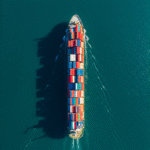
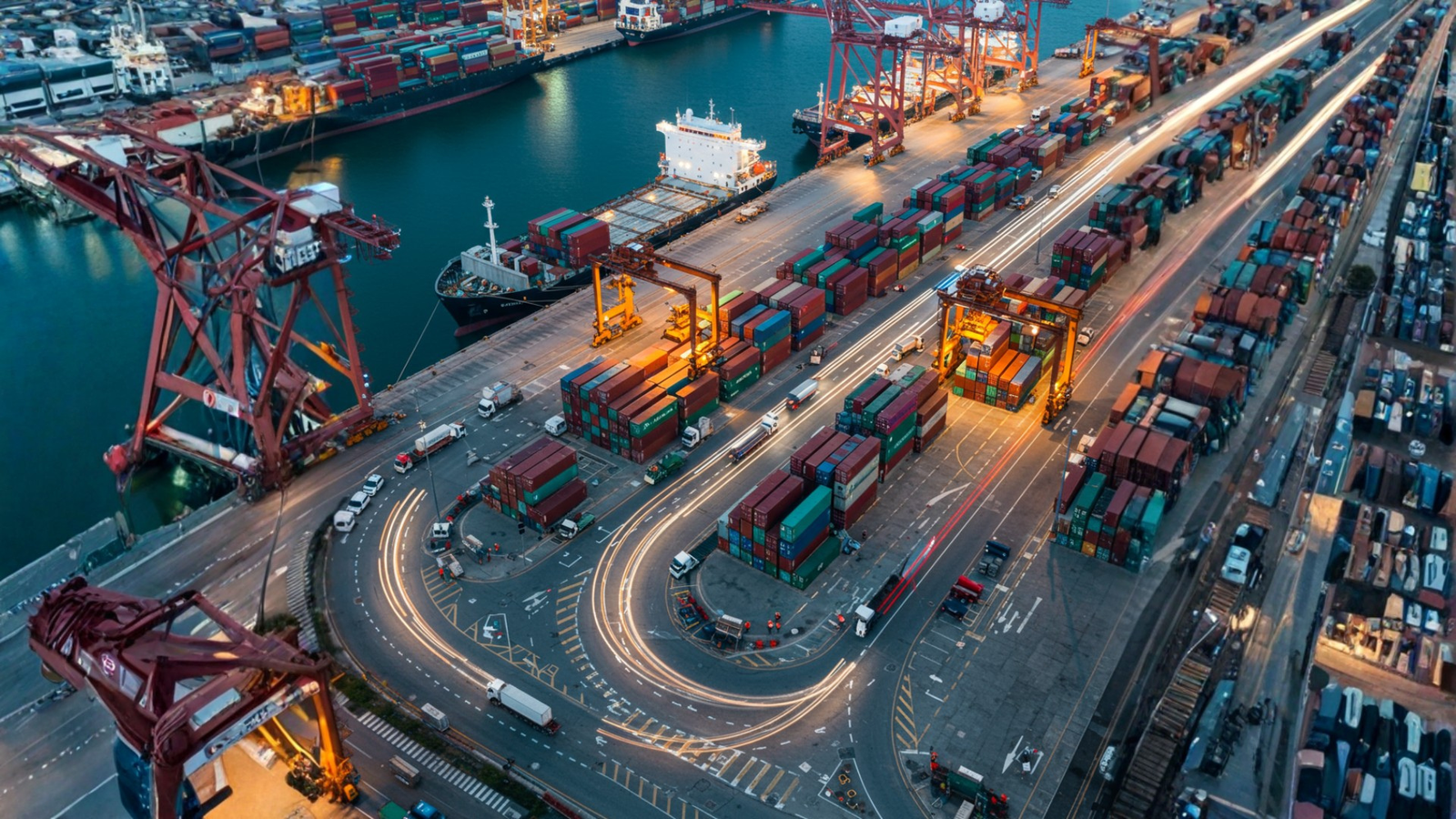
Ocean freight is pretty much the standard for moving large amounts of goods between China and the US. It’s the most budget-friendly option, especially if you’re not in a super rush. Most of the stuff you buy, from electronics to furniture, travels this way. It handles the bulk of international trade, and for good reason. It’s slow, sure, but it’s cheap per unit, which is a lifesaver for businesses importing large quantities.
There are two main ways to go with ocean freight:
- Full Container Load (FCL): You book an entire shipping container (like a 20-foot or 40-foot one) just for your products. This is great if you have enough cargo to fill at least half of a container. It’s more secure because your stuff isn’t mixed with anyone else’s, and it can sometimes be a bit faster through the ports since there’s no need to consolidate or break down loads.
- Less than Container Load (LCL): If you don’t have enough to fill a whole container, LCL is your friend. Your goods get packed into a container along with shipments from other companies. You only pay for the space your items take up, making it super accessible for smaller businesses or for sample orders. The downside? It usually takes longer because the container needs to be packed and unpacked, and there’s a bit more handling involved.
Ocean freight typically takes about 25 to 40 days from port to port. It’s the backbone for a reason – it moves massive volumes affordably, but you need to plan ahead.
When time is more important than saving every last dollar, air freight steps in. This is your go-to for high-value items, things that spoil quickly, or when you absolutely need your shipment to arrive within a week or so. It’s significantly faster than ocean freight, usually taking around 5 to 10 days door-to-door. Plus, it’s generally more secure with less handling, which means a lower chance of damage. The big catch? It’s considerably more expensive, and there are limits on how big or heavy your shipment can be. It’s best for things like electronics, urgent fashion samples, or critical spare parts.
Think of express shipping as the express lane for really small, super urgent packages. Companies like DHL, FedEx, and UPS handle this. It’s the fastest option available, often getting your goods to you in just 2 to 5 days. It’s super easy to use – you can usually find rates online and book it without much fuss. However, it’s also the most expensive way to ship on a per-kilogram basis. This method is perfect for documents, small samples, or those tiny e-commerce orders, but it’s definitely not practical for bulk shipments. If you’re just starting out or need to test the waters with a supplier, a small express shipment can be a good way to gauge product demand before committing to a larger order. For businesses looking for reliable global logistics, exploring options with a provider like OSG Shipping can be a smart move.
Navigating the Costs of Freight Shipping from China to USA
So, you’re looking to ship stuff from China to the US and wondering about the price tag? It’s not just one number, you know. There are a bunch of different costs that add up, and understanding them is key to not getting any nasty surprises.
Breaking Down Ocean Freight Expenses
Ocean freight is usually the go-to for bigger shipments because it’s cheaper per unit. But even here, the costs can pile up. You’ve got charges at the origin port in China – think trucking your goods to the port, handling fees, and paperwork. Then there’s the actual sea freight rate, which is the big one. A good freight forwarder can really help here to get you better shipping rates China to USA. On the US side, you’ll face destination charges, like port fees, customs clearance costs, and security filings. Don’t forget inland trucking to get your goods from the US port to your warehouse. It’s a lot to keep track of.
Here’s a quick look at what goes into ocean freight costs:
- Origin Charges: Trucking, terminal handling, export documentation.
- Ocean Freight Rate: The base cost for the sea journey.
- Destination Charges: Port fees, customs brokerage, security fees.
- Inland Transportation: Trucking from the US port to your final location.
The total cost of shipping from China to the US is a sum of multiple components, and each needs careful consideration for accurate budgeting.
Understanding Air Freight Cost Components
Air freight is faster, no doubt about it, but it costs more. The cost structure is similar to ocean freight but with air-specific fees. You’ll pay for the actual air cargo rate, plus airline terminal handling charges and fuel surcharges. Because it’s priced by weight and volume, it can get expensive quickly for larger or heavier items. If speed is your main concern, air freight is the way to go, but be prepared for a higher bill.
The Role of Duties, Taxes, and Insurance
Beyond the shipping itself, you’ve got duties and taxes. These are set by U.S. Customs based on what your product is and how much it’s worth. They’re separate from your freight invoice. It’s also super important to consider cargo insurance. While it adds a bit to the overall cost, it can save you a massive headache if something goes wrong with your shipment. Getting insurance is a small price to pay for peace of mind. When looking at china to usa shipping rates, always ask if duties, taxes, and insurance are included or if they’ll be separate charges you need to handle.
The Essential Role of Freight Forwarders in China to USA Shipping
Shipping goods from China to the USA can feel like trying to solve a giant puzzle. There are so many pieces, and if one doesn’t fit right, the whole thing can fall apart. This is where a freight forwarder comes in. Think of them as your expert guide, the one who knows all the shortcuts and how to avoid the traffic jams. They’re not just booking space on a ship; they’re managing the entire journey for you.
Why Partner with a Freight Forwarder?
Trying to handle international shipping on your own is a common mistake many importers make. It seems like it might save money, but it often leads to unexpected costs and major headaches. A good freight forwarder from China to USA is your strategic partner. They handle the nitty-gritty details so you can focus on running your business. They are the bridge between your supplier in China and your customer in the USA.
Here’s what they do for you:
- Customs and Compliance: They know the rules for both countries. This means making sure all your paperwork, like the Importer Security Filing (ISF), is correct and filed on time. Getting this wrong can mean big fines or your shipment getting stuck.
- Route Planning: They figure out the best way to get your goods from point A to point B. This could be ocean freight for bulk items, air freight for speed, or a mix of both. They advise on the most cost-effective and timely options.
- Problem Solving: When things go wrong – and they sometimes do – like a port delay or a customs inspection, your forwarder is your go-to person. They deal with the issues so you don’t have to.
Working with a freight forwarder transforms a complex logistical challenge into a manageable process. They provide the infrastructure and know-how to make your supply chain run smoothly.
Key Services Provided by Forwarders
Freight forwarders offer a wide range of services that cover the entire shipping process. They coordinate everything from the moment your goods leave the factory until they reach your doorstep.
- Cargo Pickup and Consolidation: They arrange for your goods to be picked up from your supplier and, if needed, consolidated with other shipments to save costs.
- Booking and Documentation: They book space with carriers (ships, planes) and handle all the necessary documents, like the Bill of Lading or Air Waybill. They also help prepare customs declarations.
- Transit Management: They track your shipment throughout its journey, providing updates so you know where your cargo is at all times. This visibility is key for planning.
- Customs Clearance: They work with customs brokers to clear your goods through U.S. Customs, handling all the required paperwork and duties.
- Final Delivery: Once cleared, they arrange for the final leg of the journey, usually trucking, to deliver your goods to your warehouse or specified location. OSG Shipping provides reliable FCL services that can be part of this end-to-end coordination.
Choosing the Right Freight Forwarder
With so many companies out there, picking the right one is important. You want a partner who is reliable and transparent.
- Experience: Look for a forwarder with a proven history of shipping between China and the USA. They’ll have established relationships and understand the specific challenges of this route.
- Transparency: Their pricing should be clear and itemized. You shouldn’t have to guess what you’re paying for. Ask for a detailed breakdown of all costs involved.
- Communication: They need to be responsive and proactive. You should feel like they’re on top of your shipment and easy to reach when you have questions. A good forwarder will offer online tools for tracking and managing your shipments, similar to what OSG Shipping provides.
- Compliance: Make sure they have a strong understanding of U.S. import regulations and work with licensed customs brokers. This is non-negotiable for avoiding problems.
Key Documentation for Seamless Freight Shipping from China to USA
Alright, so you’re getting ready to ship some goods from China to the US. That’s exciting! But before your cargo can even think about hitting the water or the sky, there’s a stack of paperwork that needs to be in order. Think of these documents as your cargo’s passport and ID – without them, things can get seriously held up, and nobody wants that. Your freight forwarder will be your guide through this, but it’s on you to make sure the information you give them is spot on.
Commercial Invoice and Packing List
First up, the Commercial Invoice. This is basically the bill for your goods. It needs to clearly state what you’re shipping, how much it’s worth, and the HS (Harmonized System) code for each item. Customs uses this to figure out any duties and taxes. Then there’s the Packing List. This is like a detailed inventory for each box or pallet. It lists the contents, how much each package weighs, its dimensions, and how many packages there are in total. It helps everyone involved, from the warehouse to customs, know exactly what’s inside each piece of your shipment.
Bill of Lading or Air Waybill
Next, you’ll encounter either a Bill of Lading (B/L) for ocean freight or an Air Waybill (AWB) for air freight. These are super important. They act as the contract between you (or your supplier) and the shipping company. The B/L is especially significant because it also serves as the title to the goods – whoever holds it can claim the cargo. The AWB is similar for air shipments, confirming the carrier has received your goods for transport.
Importer Security Filing (ISF) and Origin Certificates
For ocean shipments, you absolutely must file an Importer Security Filing (ISF), often called “10+2.” This needs to be submitted to US Customs at least 24 hours before the cargo is loaded onto the ship in China. Missing this deadline can lead to hefty fines. You might also need a Certificate of Origin. This document simply states which country your goods were manufactured in. Some products might get preferential treatment or face specific regulations based on their origin, so this is another piece of the puzzle that helps customs do their job.
Getting these documents right the first time is key. Double-checking details like product descriptions, quantities, values, and codes can save you a massive headache down the line. It’s better to spend a little extra time upfront than to deal with customs delays and extra fees later on.
The Step-by-Step Process of Freight Shipping from China to USA
So, you’ve found a supplier and are ready to get your goods moving from China to the USA. It might seem complicated, but breaking it down makes it much more manageable. Think of it like following a recipe – each step is important for the final outcome.
Getting a Quote and Booking Your Shipment
This is where it all begins. You’ll need to give your chosen freight forwarder details about your shipment. This includes the type of goods, their weight and dimensions, the origin address in China, and your destination in the USA. They’ll then put together a quote for you. It’s really important to get a detailed quote that breaks down all the costs involved. Once you’re happy with the price and the services offered, you book your shipment. This is your green light to start the actual shipping process.
Cargo Pickup and Export Customs Clearance
After booking, your freight forwarder will arrange for your goods to be picked up from your supplier’s location in China. This could be by truck. From there, the cargo heads to the port or airport. Before it can leave China, it needs to go through export customs. Your forwarder or their local partners will handle the paperwork and declarations required by Chinese authorities. This step makes sure everything is in order for leaving the country.
In-Transit Journey and Import Customs Clearance
Once your cargo is loaded onto the ship or plane, it begins its journey across the Pacific. Depending on the shipping mode you chose (ocean or air), this can take anywhere from a few days to several weeks. During this time, your forwarder should provide you with tracking updates so you know where your shipment is. A critical part of the process happens before the cargo even arrives in the US: the Import Security Filing (ISF), often called “10+2.” This needs to be submitted to U.S. Customs and Border Protection (CBP) at least 24 hours before the cargo is loaded in China for ocean freight. Once the shipment reaches a US port or airport, it must clear U.S. customs. Your forwarder’s customs broker will manage this, submitting all necessary documents, including the commercial invoice, packing list, and bill of lading or air waybill. Any duties and taxes owed will be calculated at this stage.
Clearing customs can sometimes hit snags. Things like incorrect paperwork, misdeclared goods, or specific product regulations can cause delays. Having a good freight forwarder who knows the ins and outs of US customs is a big help here.
Final Delivery and Destination Handling
After your goods have cleared U.S. customs, they are ready for the final leg of their journey. If you shipped via ocean freight, the container will be unloaded from the ship. If it’s a Less than Container Load (LCL), the goods will be sorted out from other shipments. Then, the cargo is typically loaded onto a truck for delivery to your specified address – whether that’s your warehouse, a distribution center, or even your business location. This final delivery is often referred to as the “last mile.”
Overcoming Common Challenges in China to USA Freight Forwarding
Shipping goods from China to the USA can feel like a maze sometimes, right? You’ve got your products ready, your supplier is set, but then the actual shipping part throws a few curveballs. It’s totally normal to run into issues, but knowing what to expect and how to handle it makes a huge difference. Let’s break down some of the common headaches and how to smooth them out.
Addressing Customs Holds and Compliance Issues
Customs can be a real sticking point. Sometimes shipments get held up because the paperwork isn’t quite right, or maybe the product classification codes are off. It’s super important that all your documents, like the commercial invoice and packing list, are spot-on. Your freight forwarder is your best bet here; they know the ins and outs of what US Customs needs. They can double-check everything before it even leaves China, which saves a ton of hassle later. Think of them as your compliance detectives.
Getting the documentation perfect from the start is way easier than dealing with the fallout from mistakes. It’s not just about avoiding fines; it’s about keeping your goods moving.
Mitigating Port Congestion and Delays
We’ve all heard about ports being swamped, especially major ones like Los Angeles and Long Beach. This congestion can add weeks to your delivery time, which is a nightmare for inventory planning. What can you do? A good freight forwarder has options. They might suggest using different ports, perhaps on the East Coast, or even exploring alternative shipping routes. Building extra time into your schedule is also a smart move. It’s better to have your goods arrive a bit early than way too late. Some companies even look into different container types, like specialized shipping containers for sale, to optimize their logistics.
Managing Volatile Shipping Costs
Shipping rates, especially for ocean freight, can jump around like a popcorn kernel. Fuel prices, demand, and global events all play a role. This makes budgeting a real challenge. The key here is working with a forwarder who has strong relationships with shipping lines. They can often lock in better rates or at least give you a more stable price quote. Don’t be afraid to ask for a detailed breakdown of all the charges; transparency is everything when it comes to freight costs. Getting a quote from a provider like OSG Shipping can give you a clearer picture.
Preventing Cargo Damage
Nobody wants their products to arrive broken. This is more common with Less than Container Load (LCL) shipments because your goods are consolidated with others and handled more. Proper packaging is your first line of defense. Talk to your supplier about using sturdy materials and ensuring the goods are packed securely within the boxes. Your freight forwarder can also advise on the best packaging methods and might suggest cargo insurance, which is a pretty small price to pay for peace of mind. It’s always a good idea to look into FCL shipping if your cargo volume is significant, as it generally offers more protection.
Wrapping It Up
So, shipping from China to the US might seem like a big puzzle at first. There are a bunch of ways to get your stuff over here, each with its own pros and cons. Whether you go with the slow and steady sea freight, the quicker air cargo, or even express couriers for smaller things, picking the right method really matters for your wallet and your timeline. Don’t forget all the little costs that add up, like fees and taxes. The best move you can make is finding a good freight forwarder. They’re like your guide through all the paperwork and potential headaches, making sure your goods get to you without too much drama. Think of them as part of your team, helping you keep things running smoothly so you can focus on selling your products.
Frequently Asked Questions
How long does it usually take to ship items from China to the US?
Shipping by sea usually takes about 25 to 40 days from port to port. If you need your items faster, shipping by air typically takes around 5 to 10 days from door to door. Keep in mind that things like weather, port traffic, and the specific route can change these times.
What’s the difference between Full Container Load (FCL) and Less than Container Load (LCL)?
FCL means you rent a whole shipping container just for your items. It’s usually faster and safer for larger shipments. LCL is when your items share space in a container with other people’s goods. This is cheaper for smaller amounts but takes longer because the container needs to be packed and unpacked with different shipments.
Why is using a freight forwarder so important for shipping from China?
A freight forwarder is like your guide for shipping. They handle all the complicated parts, like booking the shipping, dealing with customs in both China and the US, and solving any problems that pop up. They know the rules and can often get better prices because they ship so much volume.
What are the main costs involved when shipping from China to the US?
The costs include the actual shipping fee (ocean or air), fees at the port or airport in China, fees at the port or airport in the US, customs duties and taxes, and the cost of getting your items from the port to your final location. It’s also smart to pay for insurance.
What documents do I absolutely need for shipping from China to the US?
You’ll need a Commercial Invoice (which lists the value and details of your goods), a Packing List (showing what’s in each box), and a Bill of Lading (for sea shipping) or Air Waybill (for air shipping). Sometimes, you might also need a Certificate of Origin, and for sea shipments, an Importer Security Filing (ISF) is required.
What can I do if my shipment gets stuck in customs?
Customs holds usually happen because of mistakes in the paperwork, wrong product descriptions, or if the goods are not allowed. The best way to avoid this is to work with a good freight forwarder who checks all your documents carefully. If it does happen, your forwarder will work with customs to sort it out.